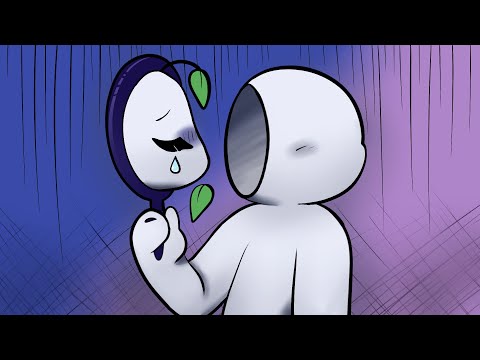
You know that feeling when everything around you seems a little… off? Like the world is not quite real? It’s weird, right?
Well, that’s derealization. And it can show up in kids too, which is something not everyone talks about. Imagine being a child and feeling like your own life is like a movie that you’re just watching. It can be pretty unsettling.
This experience isn’t just some phase; it can have lasting effects on how kids see themselves and the world. So let’s dig into how this strange feeling impacts childhood development and emotions. Trust me, it’s more common than you think!
Understanding Derealization: Exploring the Psychology Behind This Disturbing Experience
Derealization can be a really unsettling experience, and you’re not alone if you’ve felt like you’re living in a dream or watching your life from the outside. It’s a kind of dissociative symptom where the world around you feels unreal or distorted. Imagine looking at your own hands and thinking, “Are those even mine?” That’s what it can feel like.
When it comes to childhood, derealization can manifest in ways that seriously affect kids as they grow up. It often stems from trauma, stress, or overwhelming emotions. For instance, if a child experiences something traumatic—like losing a loved one—they might start feeling detached from reality as a way to cope. It’s like their mind is saying, “Whoa! This is too much; let’s take a step back.”
Children are especially vulnerable because they haven’t yet developed the coping mechanisms that adults have. So when they experience derealization, it can lead to confusion about their emotions and reality. Kids might struggle to articulate their feelings or even understand what’s happening to them.
A big part of understanding derealization in children is recognizing its psychological effects.
Picture this: a kid feels disconnected from everything and starts worrying excessively about their safety or well-being because of that disconnect.
If they can’t connect with themselves or others, it could spark feelings of sadness and isolation.
Then there are the social implications too!
When kids don’t feel present, it’s hard for them to engage with friends or family. They might come off as distant or uninterested when really they’re just battling these intense feelings.
Treatment can vary, but it’s super important for kids experiencing this to get support from professionals who understand these unique challenges. Therapy—like cognitive behavioral therapy (CBT)—can help them learn how to cope with derealization when those feelings pop up again.
In the end, understanding derealization means recognizing both its psychological roots and its impact on everyday life for children. It’s not just an odd feeling; it’s often linked to deeper emotional struggles that deserve attention and care. Making sense of this experience is crucial for healing and finding ways back into reality—because you shouldn’t have to feel like you’re just watching your life go by!
Understanding Derealization in Children: Causes, Symptoms, and Support Strategies
Derealization can feel pretty overwhelming, especially for kids. Picture this: a child suddenly feels like they’re watching life through a foggy window. Everything seems distant or unreal, which can be really confusing and scary. But what causes this? And how can we help?
Causes of Derealization
Derealization isn’t super common in kids, but it does happen. It often ties back to stress or trauma. You know how sometimes a kid might experience something really upsetting—a move to a new town, bullying at school, or a family issue? These experiences can lead to feelings of unreality. Some research suggests that even chronic anxiety or depression in children can kickstart derealization too.
Symptoms to Look For
So, what might you notice if a child is experiencing derealization? It could look like this:
- The child may express feelings of disconnect from their surroundings.
- They might talk about things feeling “fake” or “like a dream.”
- Kids often describe feeling like they’re floating or not fully present.
- Anxiety and rapid heart rates might show up as well.
One parent shared that their eight-year-old daughter kept saying everything felt “weird,” and it wasn’t until they talked with her teachers that they learned she had been anxious about starting a new school.
How to Provide Support
Helping kids experiencing derealization means creating an environment where they feel safe and understood. Here’re some strategies:
- Listen: Encourage them to share what they’re feeling without judgment.
- Grounding techniques: Simple exercises like counting objects in the room or feeling textures can help bring them back to the moment.
- Create routines: Establishing predictable daily structures can provide comfort.
- Therapeutic support: Sometimes talking with someone who gets it—a counselor or therapist—can be really beneficial.
The thing is, sometimes kids just need someone to say, «Hey, it’s okay to feel this way.» Validation goes a long way!
Understanding Derealization Disorder: Key Insights from DSM-5
Derealization disorder is one of those topics that can feel a bit weird, you know? It’s like living in a dream but not the good kind. Instead of vibrant colors and magical landscapes, it’s more like everything around you feels distant or unreal. According to the DSM-5, this disorder falls under the umbrella of dissociative disorders.
What’s Derealization? Well, imagine walking down a familiar street but everything looks flat and unconvincing, like a movie set. You know you’re there, but it doesn’t feel real. People with derealization disorder often report feeling detached from their surroundings. It can happen as a response to stress or trauma, making life seem surreal.
Now, here’s something interesting: children can experience derealization too. Picture a kid who just had a scary experience at school—a big fight or maybe something traumatic at home. They may start feeling like their world is off-kilter. This feeling can pop up and linger for days or even longer if not addressed.
The psychological effects during childhood can be pretty significant. Kids might struggle with anxiety or depression when they experiences these feelings of unrealness. It’s essential to recognize this because kids don’t always have the words to express what they’re going through.
- Impact on social interactions: Children may withdraw from friends and activities they once enjoyed because everything feels so strange.
- Difficulties in learning: When the world seems foggy or unreal, focusing in class becomes a challenge.
- Increased anxiety: The fear of feeling disconnected can lead children to avoid certain places or situations.
In therapy, helping kids work through derealization involves creating a safe space where they feel heard. Techniques like mindfulness or grounding exercises can help them reconnect with reality.
It’s super important for parents and caregivers to pay attention if they notice signs of derealization in their children because early intervention can make all the difference. You want them to feel safe and secure while navigating their emotions.
So yeah, understanding derealization disorder—especially in childhood—is crucial for supporting kids as they grow up facing these unfamiliar feelings. With help and support, it’s possible for them to find their way back to feeling grounded in reality again.
You know, growing up can be a wild ride. Our childhoods shape us in so many ways, and that’s where things can get tricky sometimes. I remember this one friend from high school who would often talk about feeling like she was living in a movie. Like, everything around her just didn’t feel real. It was kind of strange and hard to wrap my head around it at first, but as we got deeper into those late-night chats, I realized just how complex that feeling was for her.
Derealization, for those who don’t know, is like this weird foggy sensation where the world feels off or distant. It’s not just a momentary thing; it kinda lingers. Imagine being at your favorite park but feeling like you’re watching it all unfold from outside your body—like you’re in a bubble or something. That can really mess with your head, especially as a kid when everything is supposed to be magical and colorful.
For kids experiencing these feelings, the impact can be pretty profound. They might struggle to form connections with others because they feel so disconnected from reality. I mean, think about it: if everything feels unreal, even the people you love might seem distant. That sense of isolation can lead to anxiety or even depression as they grapple with their own perceptions versus what everyone else seems to be experiencing.
And let’s not forget about how these childhood experiences shape adulthood. Someone who went through derealization might find themselves questioning their reality later on in life too. It’s like carrying around this invisible backpack filled with unresolved feelings and confusion.
In some ways, it was eye-opening to see my friend navigate through these experiences without really knowing what they were called or why they happened. Her stories revealed the importance of communication and support during those formative years—having someone who listens is crucial when you’re trying to figure out what’s real and what isn’t.
So yeah, while childhood is often painted as this carefree time filled with laughter and imagination, for some kids dealing with derealization, it can also feel like living in a dream—or worse yet—a nightmare they can’t wake up from. Understanding these deeper layers adds more compassion to our conversations about mental health simply because every experience counts—and they’re all connected in ways we might not see right away.