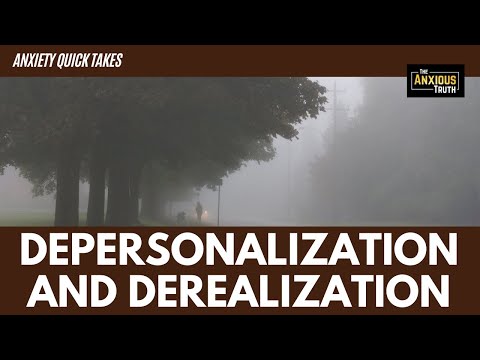
So, you know that feeling when everything seems kinda… off? Like, the world around you doesn’t feel real? You’re not alone. Lots of people experience this weird sensation called derealization.
It’s like your brain is playing tricks on you. Imagine walking in a familiar place, but it suddenly feels like a dream or a movie set. Bizarre, right? Sometimes it’s hard to even describe!
Let’s chat about how this looks visually and what it might mean for folks dealing with mental health issues. Because understanding these visual symptoms could really help someone feel less lost in their own mind.
Exploring the Visual Effects of Derealization: Understanding Your Perception of Reality
Derealization can be a pretty wild experience, you know? Imagine being in a crowded café, but everything feels… off. It’s like you’re watching life through a foggy window or in a dream. Your surroundings seem strange or distorted. That’s the essence of derealization—a feeling that the world isn’t quite real.
When folks deal with derealization, it can show up in various ways, especially visually. Your brain might play tricks on you, making colors seem dull or vibrant. Shapes may appear to shift or wobble like they’re in a funhouse mirror. This can be super confusing and scary because it feels like your perception of reality is slipping away.
Here are some of the visual symptoms you might run into:
- Distorted perception: Things around you may look different than they actually are.
- Unreal quality: You could feel as if you’re observing life from outside your body.
- Altered depth perception: Objects might seem closer or farther away than they really are.
- Visual field changes: The way things look can feel flat or two-dimensional.
Imagine walking through your home, but it suddenly feels foreign—a stranger’s house instead of your safe space. I remember talking to a friend who described looking at her own reflection and feeling like it wasn’t her at all. It was haunting for her because all she wanted was to connect with herself again.
So, what causes derealization? It’s usually linked to stress and anxiety. When your mind gets overwhelmed—like during trauma or severe anxiety—your brain might trigger these feelings as a way to cope. It’s almost like having a mental safety blanket that ends up distorting everything around you.
And here’s another thing: it’s thought that certain brain areas responsible for perception and emotional regulation get mixed signals when you’re experiencing derealization. This disconnect creates those visual symptoms that feel so surreal.
Although the experience itself can be distressing, understanding what’s happening inside your mind is essential. Realizing this isn’t some magical experience but rather an issue rooted in mental health helps many people feel more grounded.
Wanting to get over this? Reaching out for support from professionals—like therapists who specialize in anxiety or trauma—can make all the difference. They can help you find ways to reconnect with reality and process those overwhelming feelings—it’s seriously worth considering!
So yeah, derealization may seem bizarre and complicated, but knowing what you’re dealing with equips you for overcoming it one step at a time!
Understanding Derealization: Common Symptoms and Underlying Causes
Derealization can feel pretty strange, like you’re living in a dream or watching life unfold on a screen. It’s that weird sensation where your surroundings feel unreal or distorted. Imagine talking to a friend, but everything around you looks blurry or distant. That’s derealization at work.
Common Symptoms of derealization can vary from person to person, but there are some frequent ones you might notice:
- Feeling detached from your surroundings.
- Things appearing distorted in size or shape.
- A sense that the world is flat or two-dimensional.
- Having trouble recognizing familiar places.
- Experiencing visual disturbances, like halos around lights.
It’s kind of like when you wake up from a vivid dream and everything feels off for a moment before reality kicks back in. Some people even describe it as feeling like they’re in a movie, watching everything happen but not really being part of it.
So, what causes this unsettling experience? There could be multiple underlying factors. Stress is one big culprit. When life gets overwhelming—like juggling work stress, family issues, and personal challenges—your brain might hit the brakes and create that dissociative barrier to protect you.
Anxiety and Depression also play significant roles here. If you’re feeling anxious all the time or if depression has kicked in hard, those feelings can trigger derealization as your mind tries to cope with emotional pain. It’s like when your best friend blocks out negativity by zoning out; your mind does something similar but takes it further into an altered state.
Trauma is another common cause. Ever had a moment where something shocking happens, and for a second, everything feels surreal? That’s your brain trying to shield itself from emotional harm. It doesn’t want to process the intense experience fully right away; hence derealization sneaks in.
The thing is, while it might seem temporary for some people, others can feel stuck with these sensations long-term. It can be disorienting and sometimes scary—you’re not losing touch with reality completely; it’s just an altered perception of it.
If you’re experiencing these feelings consistently and they’re getting in the way of living life the way you’d want to—or if they leave you feeling distressed—talking to someone like a therapist might really help unpack what’s going on beneath the surface.
In short, understanding derealization means recognizing that it’s not just about feeling spaced out; it’s tied to deeper emotions and mental states that deserve attention. Remember though—you’re not alone in this feeling! So many people go through similar experiences; just knowing that can be comforting too.
Understanding Visual Derealization: Common Causes and Insights
Visual derealization can be a pretty disorienting experience. Imagine walking down a familiar street and suddenly feeling like everything around you is just… off. Objects might seem flat, colors could look washed out, or the world might feel like it’s behind a screen. You’re there, but it’s like watching a movie instead of living in reality.
So what exactly is going on? Derealization is often tied to anxiety, trauma, or stress. It’s basically your brain’s way of coping with overwhelming emotions by creating a disconnect from the surroundings. Your mind says, “Hey, this is too much,” and then it pulls back. It can feel like you’re in a dream—everything seems distant and unreal.
Common causes include:
- Anxiety Disorders: If you suffer from panic attacks or chronic anxiety, derealization can pop up as a defense mechanism.
- Trauma: Experiencing or witnessing something shocking can trigger feelings of derealization.
- Substance Use: Certain drugs, especially hallucinogens or even withdrawal from substances can lead to those surreal sensations.
- Lack of Sleep: Seriously, sleep deprivation can mess with your perception in strange ways.
- Mental Health Conditions: Disorders like PTSD, depression, and dissociative disorders often come with derealization as part of their symptoms.
Take Jane’s story for example. She was going through a rough patch after losing her job. One day while sitting at her favorite café, she suddenly felt like she was looking at the world through a thick glass pane. She could see everything—the people chatting, the barista making coffee—but none of it felt real. That’s when she realized her stress wasn’t just affecting her mood; it was distorting her reality.
So why does this happen? Well, when faced with intense emotions or experiences that feel threatening, our brain tends to pull away as a protective measure. It’s not uncommon to hear people describe these feelings during high-stress situations or major life changes.
If you find yourself dealing with derealization often—or in combination with other symptoms like anxiety—it might be worth talking to someone about it. Therapy can help ground you and address underlying issues that might be causing these odd perceptions.
Ultimately, understanding visual derealization isn’t just about knowing what it is; it’s about recognizing how our minds sometimes need to protect us from things that are hard to face head-on. So if you’re dealing with this sensation—you aren’t alone! The important thing is to take care of yourself and reach out for support if you need it.
So, derealization, huh? That’s a pretty intense word. You might have come across it when talking about anxiety or trauma. It’s when the world can feel like, well, a movie set or like you’re in some sort of video game. Everything seems unreal, and that can be really scary. It’s like looking through a foggy lens; things lose their vibrancy and depth.
You know what I mean? I remember chatting with a friend who went through this during a particularly rough patch. She described it as feeling like she was stuck in an old photograph—everything was muted and distant, even her own thoughts felt disconnected from her body. Just imagine living your life but feeling like you’re constantly watching it unfold from the outside. It’s unsettling.
When someone experiences derealization, they might see things differently; colors seem washed out or objects look flat and less detailed than normal. Sometimes sounds might even echo strangely, adding to the confusion. Your brain is basically saying, “Hey, this isn’t real!” It can be super disorienting and make normal everyday situations feel overwhelming.
But the thing is, while these visual symptoms are fascinating—and honestly kinda mind-boggling—they’re more than just peculiar experiences; they serve as signals that something deeper might be going on emotionally or psychologically. It’s your mind’s way of coping when it feels overwhelmed by stress or emotional pain. It can be hard to grasp just how profound these feelings are without experiencing them yourself.
In mental health contexts, recognizing derealization is crucial because it helps identify what someone may be going through emotionally. If you find yourself zoning out in stressful situations or feeling detached from reality after trauma, it’s okay to reach out for help! Mental health is such a vital part of overall well-being—just like physical health—but it’s often overlooked. Talking about these experiences can start to unravel that foggy lens over time.
So next time you hear someone mention derealization—or if you’re going through it yourself—just remember: it’s a reaction your mind uses to protect itself when life feels too intense to handle all at once! There’s hope in understanding what’s happening inside your head and finding ways back to feeling grounded in reality again.