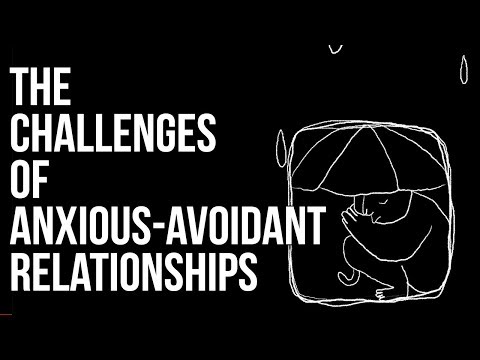
You know, relationships can be super tricky sometimes. Like, one minute you’re all in, and the next, you feel a nagging urge to pull away. Ever felt that?
Well, that’s kinda what detached avoidant attachment is all about. It’s like wearing a shield in the romantic game—keeping everyone at arm’s length.
But here’s the thing: it doesn’t have to be this way. You can start to unravel those feelings and learn to build better connections. So, let’s chat about how you can navigate through this and maybe even find your way toward feeling closer with others. Sound good?
Understanding Avoidant Behavior: Why They Often Feel Attacked in Relationships
Understanding avoidant behavior can feel a bit like trying to solve a puzzle, you know? It’s complex, and it often leaves people scratching their heads—especially in relationships. If you’ve ever felt that someone is constantly putting up walls or that they seem to take your words as personal attacks, there’s more behind it than you might think.
Avoidant attachment usually stems from early experiences. Basically, when kids don’t get responsive care from their caregivers, they learn to rely on themselves. This can create a pattern where they’re uncomfortable with closeness and often feel threatened by emotional intimacy. They might seem cool and calm on the surface but inside? Well, it’s a whole different story.
So why do they feel attacked? Let’s break it down:
- Fear of vulnerability: Opening up isn’t just hard; it feels dangerous to them. If you poke at their walls—even with love—they might interpret that as an attack.
- Misinterpretation of cues: Sometimes when you express concern or ask for more connection, they may pick up on those vibes like “Why are you pushing me?” Even questioned intentions can feel threatening.
- Past trauma: If someone has been hurt before, any sign of potential conflict can trigger deep-rooted fears. They might react defensively because of past experiences rather than what’s happening in the moment.
Picture this: say your friend Sam has been through a rough breakup. Whenever someone seems upset or critical around him, he shuts down. Instead of engaging with feelings, he pulls back—like a turtle into its shell. It’s not that he doesn’t value relationships; it’s just his way of protecting himself.
You see, avoidant individuals often have an internal dialogue that paints their world in shades of threat and danger—even if it seems mild to others. They build these emotional fortresses; even the softest comments might echo as harsh judgments for them.
It’s important to remember that being avoidant doesn’t mean they’re bad at relationships or don’t care; they’ve just learned to keep themselves safe in ways that don’t always work out well for others involved.
Engaging with someone who has these tendencies can be challenging but not impossible! Gently communicating your feelings without blaming them is key—like saying “I’d love to talk” instead of “You never open up!” The first feels inviting while the second sounds like an accusation.
So next time you’re dealing with someone who seems emotionally distant or overly sensitive, think about what shaped them into who they are today. A little empathy goes a long way! And who knows? With patience and understanding, you both might build bridges instead of walls over time.
Understanding Detached Avoidant Attachment in Children: Strategies for Support and Growth
Understanding detached avoidant attachment in children can be a bit tricky, but let’s break it down together. This attachment style often develops in young kids who, for various reasons, learn to keep their distance emotionally from caregivers. It’s almost like they build an invisible wall around themselves.
What is detached avoidant attachment? Well, when a child has this kind of attachment, they tend to avoid closeness and intimacy with others. They may act as if they don’t need help or comfort—like everything’s okay when it really isn’t. Imagine a kid at school who never raises their hand for help even when they clearly struggle with something. That can be a sign.
Why does this happen? There could be several factors involved. Maybe the child experienced inconsistent caregiving, where one moment they get attention and love, and the next they’re ignored or pushed away. So their response is to protect themselves by not getting too attached to anyone.
But here’s the thing: kids with detached avoidant attachment actually want connection deep down; they’re just afraid of being vulnerable. It’s like wanting ice cream but thinking you’ll get sick from it because of something that happened before.
How can we support these kids? Here are some strategies that might help:
- Create a safe space: Children need to feel secure before they’ll open up. This means showing them through your actions that you’re reliable and there for them.
- Encourage gradual closeness: Engage them in activities where you can connect without pressure—like reading together or playing games where winning isn’t the main focus.
- Be patient: Growth takes time! You might notice setbacks along the way; that doesn’t mean you’re doing something wrong.
- Validate their feelings: Let them know it’s okay to feel scared about being close to people. Acknowledging their feelings rather than dismissing them helps build trust.
- Model healthy relationships: By showing what healthy connections look like through your friendships and family relationships, you provide a living example for them.
Sometimes showing vulnerability yourself can also work wonders. If you share moments when you’ve felt unsure or scared (without overwhelming them), it teaches them that everyone has those feelings.
In real-life terms, I once knew a kid named Alex who struggled with this very issue. He had trouble making friends because he felt so guarded all the time. His teacher started inviting him into small group projects where he didn’t have to lead but could still participate quietly. Slowly but surely, Alex started opening up more—and wow! The smiles were priceless when he finally let others in.
So basically, understanding detached avoidant attachment is about creating connections while respecting boundaries until those walls start coming down on their own time. It’s all about building trust and letting these kiddos know that vulnerability isn’t such a scary thing after all!
Understanding Anxious Attachment Style: How It Affects Relationships and Personal Growth
Oh man, anxious attachment style can really stir things up in relationships. If you’ve ever felt that constant worry about your partner’s feelings or thought they might leave you, you might be grappling with this type of attachment.
Anxious attachment usually stems from inconsistent caregiving in childhood. You know, like sometimes your parents were warm and loving, but other times they seemed distant or preoccupied. This creates a kind of mental tug-of-war where you crave closeness but also fear it’ll be taken away.
In relationships, this can manifest as clinginess or needing constant reassurance. You might find yourself over-analyzing every text or wondering if your partner is pulling away just because they didn’t respond right away. It’s exhausting! And guess what? This behavior might push people away rather than draw them closer.
Now, let’s talk about how this kind of attachment affects your relationship dynamics. If you’re with someone who has a detached avoidant attachment style, it can feel like a recipe for disaster. Their need for independence clashes with your desire for connection. You may end up feeling neglected when they pull back, while they’re feeling smothered by your need for togetherness.
Here’s an example: imagine Sarah and Jake. Sarah has an anxious attachment style; she always needs to know where Jake is and how he feels about her. Jake, on the other hand, is more avoidant—he values his space and often withdraws when things get intense. Their interactions can turn into a cycle of Sarah seeking reassurance and Jake retreating further into his shell.
But hey, it’s not all doom and gloom! Understanding these patterns can really help both partners grow. For you as someone with anxious attachment, recognizing this urge to seek constant assurance is a big step toward personal growth. It’s about learning to manage those feelings instead of letting them take over.
Now let’s think about what helps here:
- Self-awareness: Acknowledge how your attachment style shapes your actions.
- Communication: Talk openly with your partner about needs and fears.
- Setting boundaries: Allow space in the relationship while still feeling connected.
- Seeking therapy: Working through these issues with a professional can do wonders!
Balancing these aspects takes time and practice but building healthier relationships is totally possible! The key is to find that sweet spot between connection and independence—for both you and your partner.
And remember: Everyone has their struggles; understanding yours helps not just you but also the people around you too! So keep at it—personal growth isn’t a straight line but more like one big winding road full of bumps and surprises along the way!
So, let’s chat about detached avoidant attachment for a sec. It’s one of those things that can really mess with how you connect with others, you know? Think about it like this: you’ve got someone who wants to be close, but instead of reaching out, they kinda retreat into their shell. It’s like having a cozy blanket wrapped around you, but one that keeps everyone else out.
I remember a friend of mine who always seemed distant. He was fun to hang out with but never let anyone in. When we’d have deep talks, he’d often switch topics or joke around. I could tell there was more beneath the surface; he just wouldn’t go there. It was frustrating and kinda sad because I wanted to help him. But how do you support someone who’s built those thick walls?
Basically, folks with this type of attachment tend to prioritize independence and self-sufficiency over connections—often because they’ve been hurt before or learned early on that leaning on others isn’t safe. So they put up these emotional barriers without even realizing it.
But here’s the kicker: while it feels safe to be distant, it can also feel pretty lonely. The irony is real! You might find yourself longing for deeper relationships while simultaneously pushing people away. And then there’s the moment when you realize just how tough that dance is—a bit like being stuck in traffic while desperately trying to get to your favorite concert.
Trying to navigate relationships when you have a detached avoidant style can feel like walking a tightrope. On one hand, the fear of vulnerability looms large; on the other hand, so does the desire for connection. Therapy can be a game changer here—it helps people explore those early experiences and start breaking down those walls brick by brick.
And look, if this resonates with you or someone close to you? Just know you’re not alone in this journey. We all crave connection at some level—it’s part of being human! So if you’re ever feeling overwhelmed by that pull between wanting closeness and needing space, just take a breather and give yourself some grace. After all, figuring this stuff out takes time—and every step counts!