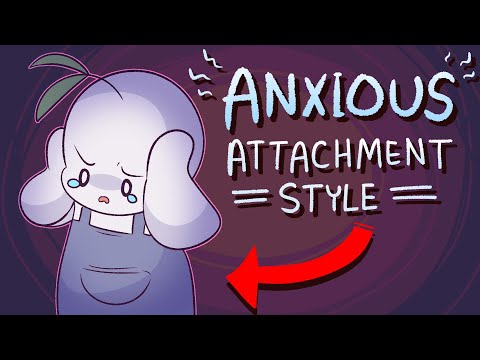
Hey there! So, let’s chat about something that’s been on my mind: detachment issues. You know, that feeling where you’re just kinda floating through relationships, not really connecting? It’s more common than you think.
I mean, have you ever felt like you care, but not enough? Or maybe you struggle to get close to people? Yeah, it can be pretty confusing. Trust me; I’ve been there. It’s easy to feel like you’re the only one experiencing this stuff.
But here’s the thing. Understanding detachment can really help us make sense of our feelings and improve our connections with others. So let’s break it down together and see how we can navigate through it all!
Effective Strategies for Supporting Someone with Detachment Issues in a Relationship
Supporting someone with detachment issues in a relationship can be challenging. It’s like you’re trying to connect with someone who’s emotionally checked out, which can be super frustrating. You might feel like you’re on two different pages, or even speaking two different languages, you know? Here’s the deal. Understanding what detachment really means is key to providing support.
Understand Detachment
Detachment isn’t just about being physically apart; it’s often an emotional wall. People might detach because of past traumas, fear of vulnerability, or even mental health conditions like anxiety or depression. Basically, it’s their way of shielding themselves from pain.
Communicate Openly
One of the most effective strategies is to create a safe space for communication. You could say something like, “Hey, I’ve noticed you seem a bit distant lately. Is everything alright?” This opens the door without being accusatory. Just being there to listen—really listen—can help them feel less isolated.
Be Patient
This one’s huge. Building trust takes time! Don’t rush them into opening up; it might only push them further away. A little patience goes a long way in helping someone feel secure enough to lower their guard.
Acknowledge Their Feelings
When they do share, validate their feelings instead of dismissing them as “overreactions.” Say something like, “I can see why you’d feel that way,” or “That sounds really tough.” This kind of affirmation can help them feel understood and accepted.
Create Shared Activities
Engage in activities that foster connection and create positive memories together. This could be as simple as cooking a meal together or going for a walk in the park. The shared experience can help bridge emotional gaps without forcing any heavy conversations.
Encourage Professional Help
If their detachment feels severe or doesn’t improve with your support, gently suggest seeking professional help—like seeing a therapist. You could frame it like this: “Talking to someone who understands could really help.” It’s not about fixing them but giving them tools for growth.
Avoid Personalization
Remember that their detachment isn’t necessarily about you or your relationship—it often stems from their own struggles or experiences. This perspective helps maintain your own emotional health while supporting them.
When navigating these waters, keep in mind that love and compassion are vital but so is respecting their pace and space. It might be tough at times; honestly, there will be ups and downs! But showing consistent support can make a real difference—and who knows? It may help rebuild those bridges over time!
Effective Strategies for Supporting Someone Who is Emotionally Detached
So, you’ve got someone in your life who’s feeling emotionally detached, huh? It can be tough to watch them go through that, like seeing a friend stand outside the party while everyone else is having a blast inside. You want to help, but where do you even start? Here are some effective strategies to support them.
- Be Patient and Understanding: Emotionally detached people might not even realize they’re feeling that way. They can come off as distant or uninterested, but it’s often tied to deeper issues. Just being there and showing you care makes a huge difference.
- Encourage Open Communication: Try gently prompting them to express their feelings. Ask open-ended questions like, «How have you been feeling lately?» or «Is there something on your mind?» This can help create a safe space for them to share.
- Avoid Judgment: Seriously, don’t judge what they say or how they feel. If they share something heavy or personal with you, just listen without jumping in with your own experiences or opinions immediately. Sometimes it’s all about letting them talk.
- Engage in Activities Together: Sometimes doing stuff together—like going for walks or cooking—can help break down those walls a bit. These activities can provide an opportunity for casual conversation without the pressure of a serious sit-down chat.
- Suggest Professional Help if Appropriate: If their detachment seems severe, gently suggest seeking support from a mental health professional. Just approach it delicately, maybe saying something like “I’ve heard talking to someone can really help.”
- Check-In Regularly: Just sending a quick text or giving them a call every now and then shows you’re thinking of them. It matters more than you realize.
You know what? I had this friend once who seemed so distant after going through some tough stuff; it felt like I was talking to a wall sometimes. But I decided to keep reaching out. Little by little, I noticed he started opening up more during our hangouts over coffee—just casual stuff at first—but eventually he shared what he was truly feeling inside.
The key is consistency! You don’t have to fix everything at once; just being present can make all the difference in helping someone navigate their emotional detachment. Trust takes time!
So remember, supporting someone who’s emotionally detached isn’t about solving their problems for them; it’s about being there when they’re ready to face their feelings—at their own pace.
Mastering Detachment in Relationships: A Guide to Healthy Emotional Boundaries
Mastering detachment in relationships can feel like a tricky balancing act. You wanna connect with people, but you also need to draw the line to protect your own emotional space. That’s where healthy emotional boundaries come in. Basically, it’s about finding that sweet spot between intimacy and independence.
First off, let’s talk about what emotional boundaries really are. They’re like invisible fences that keep your feelings safe. Setting them means understanding where you end and another person begins. It helps you avoid losing yourself in a relationship, which can lead to detachment issues later on.
Now, here are some key points to consider:
Sometimes people confuse detachment with being cold or uncaring. But trust me! Healthy detachment is quite the opposite; it means being able to love and care while also keeping a sense of self intact.
Let me share an example: Imagine you’re super close with a friend who tends to go through relationships like it’s a grocery list—on Monday they’re dating one person; by Tuesday they’re already heartbroken and calling you non-stop for advice. That can be exhausting! Maybe you’ve felt pressure before trying to keep up with their emotional rollercoaster.
Well, if you’ve set healthy boundaries, it’d be alright if one day you’d say something like: “I really care about what you’re going through—it matters a lot—but I can only chat about this once a week.» That way you’re still present but not overwhelmed all the time.
In summary, mastering detachment isn’t about shutting down emotionally; instead, it’s building those protective walls so that connections don’t drown out who you are at your core. By knowing your limits, communicating clearly with others and taking care of yourself along the way—you’ll find that balance much easier!
Detachment issues can be a real pain, right? It’s that feeling where you want to connect with someone, but something inside just pushes you away. Picture this: you go out with friends, everyone’s laughing and chatting, and you’re standing there feeling like a ghost. You want to join in, but it’s like there’s a barrier between you and them. This is different from simply wanting some alone time. Detachment hits deeper—it can leave you feeling isolated even when surrounded by people.
So what causes this? Sometimes it’s rooted in past experiences or fears of vulnerability. Maybe you’ve been hurt before, and as a protective measure, your brain says, “Hey! Let’s keep people at arm’s length.” Or perhaps it’s about not wanting to face those messy emotions that come with really letting someone in. Relationships can be super complicated, and honestly? It’s scary to open yourself up to the risk of getting hurt.
Let me tell you about a friend I had—let’s call her Sarah. Sarah was amazing; she was funny and smart but struggled with detaching from her emotions. When someone would ask how she felt about something personal or heart-wrenching, she’d shrug it off or laugh it off like it didn’t matter at all. But I knew her well enough that she cared deeply—she just couldn’t show it or let herself feel it fully. And that held her back from truly connecting with others.
Navigating detachment is tricky because on one hand, you’re trying to protect yourself while on the other, you’re missing out on those authentic connections that make life sparkle. The thing is—you’re not alone in feeling this way. Many people experience similar struggles; it’s part of being human.
Working through these feelings often takes time and maybe some help from a therapist too. They can offer tools to help break down those walls you’ve built up over the years so relationships start to feel less like a tightrope walk and more like walking on solid ground.
In the grand scheme of things, nurturing connections with others might mean facing discomfort for a little while until you find your sweet spot—where openness meets intimacy without anxiety rushing in like an unwanted guest at a party.
So if you’re dealing with detachment issues, know there’s hope! With some patience and self-discovery, those connections can blossom into something beautiful rather than fearful or distant—making room for more warmth in your life’s journey.