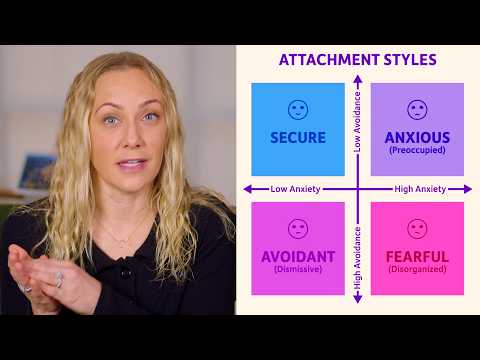
You ever feel like your relationships are on a wild rollercoaster? One minute you’re super close, and the next you’re, like, pushing each other away?
Well, that’s all about attachment styles. Yeah, it sounds fancy, but it’s really just how we connect with people.
Understanding yours can totally change the game. Trust me on this! It can help you figure out why things get messy sometimes.
So grab a cup of coffee or whatever, and let’s dig into this together. You might discover something eye-opening about yourself and your connections!
Understanding the 4 Attachment Styles in Relationships: A Guide to Building Stronger Connections
Understanding attachment styles can totally change how you connect with people, especially in relationships. You see, the way we bond with others often traces back to our early experiences, usually with caregivers. There are four main attachment styles: secure, anxious, avoidant, and disorganized. Each one shapes how you relate to partners, friends, and even family.
Secure Attachment is like the gold standard. If you have a secure style, you’re comfortable with intimacy and can communicate your needs without stressing out. People with this style tend to have healthy relationships because they trust others and feel worthy of love. Think about someone who’s calm during conflicts—yep, that’s a secure attachment in action.
Anxious Attachment, though? It’s a whole different ballgame. If you lean toward this style, you might find yourself craving closeness but also worrying if others will abandon you. You could be that person who constantly checks your partner’s phone or feels super anxious when they don’t reply right away. It’s like having a love meter that’s always on high alert.
Then there’s Avoidant Attachment. This style makes it tough to get close to people. If you’re avoidant, maybe you’ve got walls up that keep others out because vulnerability feels risky or uncomfortable. You might say things like “I don’t need anyone” or pull away when things get too emotional. It’s not that they don’t care; they just find it hard to express feelings or rely on others.
Lastly comes the Disorganized Attachment style. This one’s kind of a mix of anxious and avoidant traits—it can be really confusing! People with this style may have had chaotic early experiences and now struggle to feel safe in relationships. Sometimes you’ll really want connection but then back off at the same time because things feel too overwhelming or unpredictable.
So why does all this matter? Well, knowing your attachment style—and maybe your partner’s too—can help you understand why you react certain ways in relationships. Let’s say you’re anxious and your partner is avoidant; conflicts might be extra intense because one person wants more closeness while the other is pulling away.
Here are some ways to build stronger connections based on these styles:
- Self-awareness: The first step is recognizing your attachment style.
- Open communication: Talk openly about fears and needs.
- Tolerance for differences: Understand that not everyone approaches intimacy the same way.
- Seek support: Sometimes talking it out with a therapist can help navigate these styles better.
By acknowledging these patterns in yourself and others, you’re more likely to create healthy connections without those frustrating misunderstandings getting in the way! So really take some time to reflect on how your past affects your present—you might just discover something mind-blowing about how you love!
Discover Your Attachment Style: A Guide to Understanding Relationships
So, let’s talk about attachment styles. It’s kind of like the way you connect with other people, especially in relationships. The thing is, understanding your attachment style can really change the game for you and how you relate to others. You know?
There are four main attachment styles: secure, anxious, avoidant, and disorganized. Each one comes from how we bonded with our caregivers growing up. But don’t worry; it’s not all doom and gloom! You can work on these styles as an adult.
- Secure Attachment: This is the ideal style. People with a secure attachment tend to feel comfortable with intimacy and independence. They trust others easily but also have good boundaries. Think of someone who communicates openly, like your friend Sam who’s always calm during conflicts and can express feelings without drama.
- Anxious Attachment: If this is your style, you might find yourself constantly worried about your partner’s love and commitment. It’s like being in a relationship but feeling like a rollercoaster ride of emotions—up one minute, down the next. Remember when Sarah freaked out because her boyfriend didn’t text her back right away? That’s classic anxious behavior.
- Avoidant Attachment: People here often keep their distance emotionally. They value independence so much that they might push partners away when things get too close for comfort. Just picture Mike who always says he loves his freedom more than anything else, even if it means being alone sometimes.
- Disorganized Attachment: This one’s complicated! It blends anxious and avoidant traits, leading to chaotic relationships filled with mixed signals. You might see this in someone like Lisa, who craves love but also fears it—it’s confusing for both her and her partners.
You can probably see yourself or someone you know in these descriptions, right? Identifying your attachment style gives you a clearer idea of why you react the way you do in relationships.
The beauty is that awareness opens doors for growth and healing! Consider talking to a therapist or reading up on these concepts more deeply if any of this hits home for you.
Your past doesn’t have to dictate your future—people are capable of change! Once you figure out where you’re coming from emotionally, it becomes easier to create healthier bonds going forward.
So go ahead! Reflect on your connections and work towards cultivating those secure relationships that bring joy instead of drama into your life!
Discovering the Healthiest Attachment Style: Unlocking Emotional Well-Being and Meaningful Relationships
Attachment styles are like templates for how we connect with others, especially in relationships. They often stem from our early interactions with caregivers. These styles can shape how we view intimacy, trust, and emotional safety throughout our lives. Understanding yours can be a game changer.
There are four primary attachment styles: secure, anxious, avoidant, and disorganized. Let’s break these down a bit:
- Secure attachment: This is the healthiest style. People with secure attachments feel comfortable with intimacy and independence. They’re usually warm and loving, and they handle conflicts well. Imagine someone who communicates openly about their feelings—that’s secure.
- Anxious attachment: Folks with this style often worry about their partner’s affection and may seek constant reassurance. They might be seen as clingy or overly dependent because they fear abandonment. Remember that time when you overanalyzed a text message? That could be the anxious style kicking in.
- Avoidant attachment: Avoidantly attached people tend to keep their distance emotionally. They may value independence to the point of pushing others away, fearing closeness will lead to vulnerability or, worse, hurt. You know that friend who always deflects serious conversations? That’s an avoidant trait.
- Disorganized attachment: This style is a mix of anxious and avoidant traits. Individuals with disorganized attachment often come from backgrounds where caregiving was inconsistent or traumatic. They’re unsure about what they want in relationships, leading to chaotic dynamics.
So why does this matter? Well, knowing your attachment style can lead to healthier relationships by helping you recognize patterns that might be holding you back.
For instance, if you identify as having an anxious style, you might start working on building self-esteem or learning better communication skills instead of relying heavily on your partner for reassurance all the time. A little journey of self-discovery goes a long way!
And what if you’re in a relationship? Understanding your partner’s attachment style can create empathy and improve communication between you both—like figuring out why your significant other pulls away when things get too intense.
Your Path to Secure Attachment
If you aspire to have that secure style (who wouldn’t?), consider some strategies:
- Acknowledge feelings: Accept your emotions rather than push them down or ignore them.
- Create emotional safety: Surround yourself with supportive people who respect your boundaries.
- Communicate openly: Share your thoughts and fears without fear of judgment.
- Pursue therapy: Therapists can help untangle those deep-seated patterns from childhood that might still haunt you today.
Remember that changing attachment styles takes time and effort—like training for a marathon instead of a sprint!
Ultimately, becoming aware of your own and others’ attachment styles opens up so many possibilities for emotional growth and real connection in your relationships. It’s about building not just meaningful connections but also learning how to love yourself better along the way!
You know, it’s funny how we often don’t think about the way we relate to others until it becomes a problem. Like, take attachment styles for instance. They’re basically the patterns we develop in relationships based on our early experiences with caregivers. And honestly, realizing your attachment style can really change the game for you.
I remember a friend of mine, let’s call her Sarah. She was always super anxious in her relationships. It was like she needed constant reassurance from her partner that everything was okay. It made me think about how she grew up—her parents were really busy and didn’t always have time for her emotional needs. Once she figured out that she had an anxious attachment style, things started clicking for her. She began to understand why she felt so insecure and how that impacted her relationships.
There are those who are avoidant too; they keep people at arm’s length because intimacy feels scary or overwhelming. I’ve seen that in some of my buddies too—it’s tough to break down those walls when you don’t even know they’re there!
Then there’s the secure attachment style, which is like the holy grail of relationships or something. People who fall into this category tend to be more balanced and comfortable with intimacy without freaking out or pushing others away.
So, what’s cool is once you identify what kind of attachment style you lean towards—be it anxious, avoidant, or secure—you can actually work on it. You start recognizing your triggers and patterns, which means you can have healthier conversations with your partners and friends.
Look, identifying your attachment style doesn’t mean you’re doomed to repeat old habits forever—it’s more like getting a roadmap for understanding yourself better! And let me tell ya, knowing this stuff really helps improve communication and builds healthier connections.
In the end, healthy relationships are built on trust and understanding. So figuring out your attachment style? That’s just a step toward building better bonds—like a stepping stone on your path to emotional wellness!