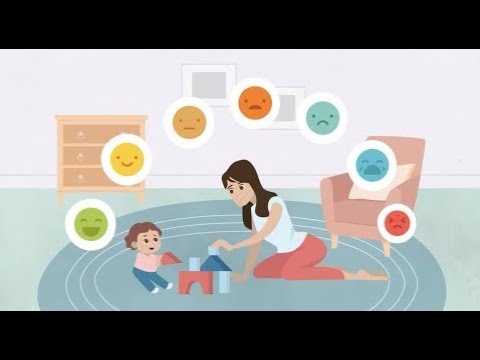
You know how some people just seem to have their lives together? They cope well with stress, connect easily with others, and bounce back from challenges. What’s their secret? Well, it often comes down to something we don’t talk about enough: attachment.
Yeah, I know it sounds a bit academic or whatever, but hear me out. Attachment styles—how we form bonds with others—play a huge role in our mental health. They shape how we relate to friends, partners, and even ourselves.
Think of it this way: if you grew up feeling secure and loved, you’re more likely to trust people as an adult. But if things were rocky back then? You might struggle with relationships now. It’s like your emotional blueprint.
So let’s chat about building that secure attachment. It can really change the game for your mental health. Ready to explore this together?
Building Secure Attachments: Essential Strategies for Nurturing Your Child’s Emotional Well-Being
Building secure attachments with your child is one of the most valuable things you can do for their emotional well-being. Strong, healthy attachments provide a foundation for how they view relationships and themselves as they grow up.
Be present. This doesn’t mean just being in the same room, but actually being engaged. Put down your phone, turn off the TV, and really listen when they talk. Let’s say your child is excited about showing you their drawing. Instead of half-listening while scrolling through your messages, drop everything for a few minutes to admire their creativity. You know? That connection in those little moments builds trust.
Respond consistently. Kids thrive on predictability. When they cry or need comfort, be there for them in a consistent way. If you’re unpredictable—sometimes responding to their needs and other times brushing them off—they could feel confused or anxious. Imagine this: if every time your friend reached out, it was a roll of the dice whether you’d answer or not—draining, right? Just like friendships, children need to feel that they can rely on you.
Encourage emotional expression. Let them know it’s okay to feel all sorts of emotions—happy, sad, angry, or scared. Instead of brushing aside their feelings with “just shake it off,” try saying something like “I understand that you’re upset; it’s okay to cry.” This kind of validation teaches kids that their emotions matter and helps them process feelings without shame.
Show affection. Hugs and cuddles work wonders! Simple touch can help children feel secure and loved. Try giving them hugs regularly or even just snuggling up during storytime. It’s not just about physical closeness; those moments breathe security into their lives.
Share experiences. Create opportunities for shared activities—cooking dinner together or playing games fosters bonding time. When kids see you working alongside them, they learn teamwork and build memories that create deeper connections between you.
Model healthy relationships. Children learn from what they see! If you treat others with kindness and respect—and resolve conflicts calmly—they’ll mimic these behaviors as well. Show them how to communicate openly by talking through disagreements you may have with others in a respectful way.
Building secure attachments takes effort but pays off big time down the road! Kids who feel securely attached tend to grow up more confident emotionally resilient adults. So when you’re unsure if what you’re doing is enough—if you’re engaging fully with your child—you probably are! Keep nurturing those connections because they’re worth it.
Building Secure Attachments in Adulthood: A Guide to Strengthening Emotional Connections
Building secure attachments as an adult can feel like a bit of a tall order. But it’s totally doable, and really important for your mental health, you know? When we have secure attachments, we’re better equipped to handle life’s ups and downs. So, what does it take to strengthen those emotional connections? Let’s break it down.
First up, understanding your attachment style is crucial. There are generally four main styles: secure, anxious, avoidant, and disorganized. A secure attachment means you feel comfortable with intimacy and independence. The tricky part is if your past relationships left you feeling anxious or avoidant—it can be hard to trust again. Recognizing where you stand can help you navigate relationships better.
Another key point is communication. This one sounds simple but isn’t always easy. Express yourself openly; share your feelings and needs without fear of judgment. Like if you’re feeling overwhelmed or need some space—just say it! Being vulnerable can feel risky but it strengthens connections over time.
Next on the list is building trust. Trust takes time but starts with consistent actions. Show up for people in little ways—being on time for plans or keeping promises matters. For example, if a friend says they’ll call at a certain time but don’t follow through often, it can chip away at trust slowly.
Also important is practicing empathy. Try to see things from the other person’s perspective. This isn’t just about listening; it’s about really trying to understand their feelings and emotions too. It creates a safer space where everyone feels valued and heard.
Let’s talk about setting boundaries. It might sound counterintuitive, but having clear boundaries helps maintain healthy connections. It stops resentment from building up when certain limits are respected on both sides—that means knowing when to say no while still being supportive.
And don’t forget about self-compassion. Being kind to yourself makes it easier to connect with others genuinely. If you’re always down on yourself or feeling unworthy of love, those feelings will creep into your relationships too! Instead, work on treating yourself like you would treat a close friend who’s struggling.
Sometimes, past experiences haunt us—those old wounds can affect how we connect now. So seeking therapy could be super beneficial if you’re feeling stuck in negative patterns or battling old attachment issues. Having someone guide you through thoughts and feelings in a safe environment can bring clarity and healing.
Lastly, cultivate meaningful shared experiences. Whether it’s cooking together or going on hikes, engaging in activities that spark joy builds memories that strengthen bonds over time.
In wrapping this up: Building secure attachments won’t happen overnight—it takes work and patience! But the payoff? Better mental health and deeper emotional connections that last through thick and thin! So dive into this journey; you’ll be glad you did!
Building Secure Attachment with Your Baby: Essential Tips for Stronger Bonds
Building a strong bond with your baby is all about creating a sense of safety and trust. When babies feel secure, it sets the groundwork for better mental health as they grow. So, let’s break down some simple yet effective ways to build that secure attachment, shall we?
Respond to Their Needs. Babies can’t talk, but they communicate through cries and body language. Pay attention to those cues. If your little one is crying, it usually means something needs attention—hunger, discomfort, or the need for cuddles. When you respond promptly and consistently, you’re telling them: “I’m here for you.” Imagine a baby feeling abandoned every time they cried; that can create anxiety as they grow.
Now, think back to a time when you really needed someone to understand you. Maybe it was during a tough day at work or when facing a personal struggle. That feeling of being heard is huge! Babies rely on that too; their world is so new and overwhelming.
Engage in Eye Contact. When you’re holding your baby or feeding them, make eye contact. It’s like an unspoken connection that says “We’re in this together.” This simple act not only strengthens your bond but also helps babies learn about emotions and social cues over time.
You know those moments when you catch someone’s gaze across the room? It feels like a secret language. Well, for babies, eye contact is their way of connecting and feeling secure.
Use Touch. Holding your baby close not only makes them feel safe but also releases hormones like oxytocin—sometimes called the “love hormone.” It’s all about nurturing through touch! Gentle strokes or cuddles can soothe them tremendously.
Think about how comforting it feels when someone hugs you after a rough day. That physical contact tells babies they are loved and cared for.
Create Routines. Kids thrive on predictability! Establishing routines around feeding, sleeping, and playtime can help your baby feel more secure since they know what to expect next. Plus, it gives them a sense of stability in their little world.
Remember how comforting it was to have some sort of routine during school? That feeling of knowing what comes next really helps ease anxiety—even for babies!
Be Attentive While Playing. During playtime, engage with your baby fully! Get down on their level and show genuine interest in what they’re doing. Your enthusiasm helps them feel valued and encourages exploration.
Think back to when someone cheered you on during an activity—it felt amazing! Your support boosts self-esteem in babies too; they learn that they are important.
Practice Patience. There will be tough moments—it’s normal! If your child gets fussy or overwhelmed, try to stay calm yourself. Your reactions teach them how to handle big feelings later on in life.
Maybe you’ve experienced something similar where staying cool under pressure was hard but vital? Teaching kids patience matters just as much!
To sum up these ideas: responding promptly meets their needs; eye contact builds connection; touch nurtures security; routines create stability; playful engagement fosters self-worth; and practicing patience lays the groundwork for emotional regulation.
In creating these connections with your little one now, you’re building blocks of resilience that’ll last a lifetime—how amazing is that?
You know, when we talk about mental health, one of the big things that comes up is our relationships. It’s kinda wild how our early experiences can shape how we connect with people later on. That cozy feeling of safety and trust? Yeah, that’s what we call secure attachment.
I remember a friend of mine who used to struggle with anxiety. No matter how hard she tried to push through it, there was always this underlying fear that kept her on edge. Then, one day, she opened up about how her parents’ constant criticisms made her feel unworthy. It wasn’t until she started looking into secure attachment that things clicked for her. She realized she didn’t have that solid foundation as a kid.
So basically, when you grow up feeling loved and valued, you’re more likely to build healthy relationships as an adult. It’s like having this invisible safety net that catches you when life gets tough. In contrast, if those early connections are shaky or inconsistent, it can leave you grappling with trust issues and emotional chaos.
Developing secure attachment isn’t just for therapy sessions or books; it’s about real life stuff too! Think about your friendships or romantic relationships—when you feel safe and supported by someone, it’s way easier to share your fears or even be vulnerable. You start feeling emotionally stable and grounded.
And guess what? Even if your childhood experiences weren’t the best, it’s never too late to create new patterns in your adult life! Surrounding yourself with supportive folks can help rebuild those foundations. You might stumble a bit along the way—you know how it goes—but reaching out and forming connections can be incredibly healing.
So yeah, focus on nurturing those secure bonds in your life—it’ll pay off in incredible ways for your mental well-being!