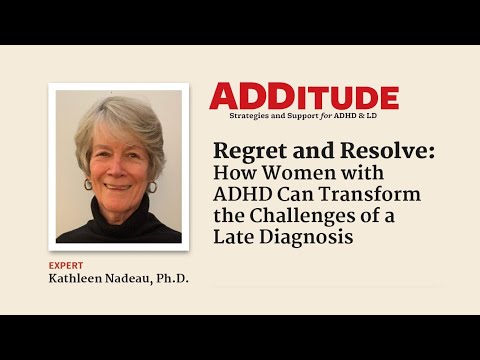
You know, ADHD is often seen as a kid’s issue. But let’s be real—women deal with it too, and it can look pretty different.
Imagine juggling a million things at once. You’re super organized on the outside, but inside? Chaos. It’s like trying to swim in a pool while someone keeps tossing you bricks.
The tricky part? Many women slip through the cracks when it comes to getting diagnosed. Symptoms can be sneaky, blending into the everyday hustle and bustle.
It’s totally normal to feel overwhelmed by it all. So, let’s chat about what makes diagnosing ADHD in women unique and why it matters so much.
Understanding High Functioning ADHD in Females: Key Symptoms and Insights
Understanding high functioning ADHD in females can be a bit tricky. It’s not just about being a little more distracted or forgetful than the average person. Many women with this condition manage to keep up appearances and perform well at work or in social settings, but underneath there’s often a chaotic mix of symptoms that may go unnoticed.
First off, let’s talk about key symptoms. You might notice:
- Inattention: Daydreaming or losing focus easily, especially during tasks that seem boring.
- Hyperactivity: This isn’t always about being super active; it can also show up as feeling restless or needing to move around.
- Impulsivity: Making snap decisions without thinking things through, like interrupting others in conversations.
- Difficulties with organization: Struggling to keep things tidy or manage time effectively can be a real headache.
- Emotional sensitivity: Feeling overwhelmed by emotions, whether it’s stress at work or sadness over something small.
Now, the thing is, high functioning ADHD in females often comes with some unique challenges. For one, women are generally better at masking their symptoms. So they might excel in their careers and come off as put-together, which makes it hard for others—and sometimes even themselves—to see that they’re struggling below the surface.
Take Sarah, for example. She’s a busy mom and works full-time as a project manager. On the outside? She seems great—always meeting deadlines and attending school events. But inside? It feels like she’s constantly juggling flaming swords while blindfolded! Forgetting where she put her keys becomes a daily dilemma, plus managing her kids’ schedules? Well, that’s just chaos on wheels.
Diagnosing ADHD in women presents its own set of hurdles too. Traditional diagnostic criteria were primarily developed based on how ADHD appears in boys—think hyperactive little boys bouncing off walls rather than more subtle presentations seen in girls. As a result, many women slip through the cracks when it comes to diagnosis.
This lack of recognition can lead to feelings of inadequacy and frustration. You might feel like you’re constantly falling short despite your efforts. Some women even develop anxiety or depression over time because they can’t quite understand why managing life seems harder for them compared to peers.
Moreover, the impact doesn’t stop at work. Relationships can also take a hit when someone has high functioning ADHD. Imagine forgetting important dates or struggling to follow along during conversations; it’s easy to see how this could create misunderstandings with friends and family.
Lastly, therapy and support are crucial for anyone navigating life with high functioning ADHD—especially women trying to juggle everyday responsibilities while battling an invisible challenge. Seeking out therapists who understand these nuances is essential; they can offer tailored strategies that resonate better than generic advice.
So if you’re wondering if this sounds familiar—you’re not alone! Recognizing these experiences is the first step towards understanding yourself better and finding effective ways to cope.
Understanding ADHD in Women: Insights from Recent Research and Studies
ADHD, or Attention-Deficit/Hyperactivity Disorder, isn’t just a kid thing. Seriously, it affects a lot of adults too—especially women. And like, recent studies show that the way ADHD presents in women can be kinda different from men. You might not even realize how common it is.
First off, diagnosing ADHD in women can be tricky. A lot of the symptoms are subtle or get overlooked entirely. Women often internalize their struggles more than men do. You know how when people are distracted or hyperactive, it’s easier to notice? Women might be more prone to daydreaming or have trouble focusing without being loud or disruptive. This makes it harder to spot their ADHD.
- Emotional Regulation: Many women with ADHD struggle with emotions. They might feel overwhelmed by stress and have difficulty managing mood swings.
- Hyper-focusing: This is another interesting aspect; some women can hyper-focus on tasks they enjoy, which can mask the overall inattention that’s typical in ADHD.
- Coexisting Conditions: Things like anxiety and depression often tag along with ADHD in women, complicating the whole picture and making diagnosis tougher.
I remember a friend who was diagnosed only after years of feeling “off.” She was an overachiever but constantly felt like she was falling behind because she couldn’t keep up with all the little things—like managing her schedule or remembering tasks! It wasn’t until she learned about ADHD that everything clicked into place for her.
Diving into some research, studies indicate that hormonal fluctuations during menstrual cycles can impact symptoms too. Seriously! Fluctuating estrogen levels may amplify symptoms around menstruation for many women. So if you notice a pattern in your focus or mood during certain times of the month, you’re not alone!
The diagnostic criteria have historically been based on male presentations of ADHD, which means women’s symptoms often go unrecognized or misinterpreted. Because society expects certain behaviors from women—like being organized and calm—it’s easy to see why someone could miss those signs.
- Stereotypes: Society places stereotypes on how women should behave. If they show behaviors associated with ADHD (like forgetfulness), they might just be seen as “scatter-brained,” instead of experiencing a medical issue.
- Lack of Research: Historically, there’s been less research focused specifically on how ADHD manifests in females compared to males.
You see, there’s no one-size-fits-all answer here! Each woman’s experience can be so unique. But awareness is key; recognizing these issues means better support systems can develop for those struggling with undiagnosed conditions.
If you’re feeling like you relate to any of this stuff—like always feeling behind the curve despite working super hard—it could be worthwhile to chat about it with a healthcare professional who understands ADHD specifically in women.
Lately, discussions around this topic are picking up steam and that’s promising! With better awareness comes better understanding and ultimately better care for those who need it most!
Exploring the Underdiagnosis of ADHD in Females: Key Statistics and Insights
It’s really interesting how ADHD is often underdiagnosed in females. A lot of people think of ADHD as a condition that primarily affects boys, but that couldn’t be further from the truth. In fact, research shows that girls with ADHD might display different symptoms than boys, which can lead to them being overlooked or misdiagnosed.
First off, let’s talk about some key stats. Studies suggest that boys are diagnosed with ADHD around three times more often than girls. This disparity isn’t necessarily because boys have it more; it could be due to how girls express their symptoms. While boys might display the classic hyperactivity and impulsivity we associate with ADHD, girls often tend to show more inattentiveness and may appear daydreamy or withdrawn instead.
Another important point is that females with ADHD often develop coping strategies that can mask their symptoms. They might work twice as hard to pay attention or become really organized just to keep up. So, on the outside, they may seem like they have it all together when in reality they’re struggling inside. This can create a false sense of normalcy, making it less likely for teachers and parents to recognize the need for an evaluation.
There’s also a big societal factor here. Girls are often socialized differently than boys; they’re taught to be polite and conform to expectations more rigidly. This can lead them to internalize their challenges rather than express frustration outwardly. I remember chatting with a friend who was diagnosed later in life. She shared her experience of always feeling like she had to “keep it together,” which just made her struggles feel even heavier.
Another reason for this underdiagnosis is that emotional regulation issues are often more pronounced in females with ADHD. They might face anxiety or depression as a result of not having their needs recognized early on. This overlap can make diagnosis tricky, as these conditions may receive attention while the underlying ADHD gets missed entirely.
So what can we do about this? Awareness is key! Health professionals should be trained to recognize symptoms across genders and consider how **ADHD manifests differently** in females. It helps if parents and educators understand what signs to look for too—like difficulties with organization or consistent forgetfulness.
In summary, the underdiagnosis of ADHD in females stems from various layers: symptom differences, coping mechanisms, societal pressures, and overlapping conditions like anxiety or depression. By recognizing these factors, we can create a more inclusive mental health environment where everyone gets the support they need!
You know, ADHD—Attention-Deficit/Hyperactivity Disorder—has often been thought of as a kid’s problem, especially in boys. But there’s so much more to it, particularly when we talk about women. It’s like this hidden struggle that gets overlooked a lot. When you think about it, women are so good at masking their symptoms or adapting to fit societal expectations. But that doesn’t mean they aren’t affected.
I remember chatting with a friend who was constantly battling with feelings of being overwhelmed and restless but never thought she could have ADHD. She always excelled academically and managed her job well but felt like something didn’t quite click in her life. It wasn’t until she stumbled upon some information that resonated with her experiences that she started considering the possibility.
The challenges in diagnosing ADHD in women are really complex. For starters, many women show symptoms differently than men do—like they might be more prone to attention issues rather than hyperactivity. So while a boy might be bouncing off the walls, a girl might just seem distracted or daydreamy. This difference can lead to missed diagnoses or even misdiagnoses that leave women feeling like they’re not taken seriously.
And then there’s the whole societal pressure thing! Women often feel they have to juggle multiple roles—career, family, social obligations—sometimes making them super adept at hiding their difficulties. They’re like pros at putting on a brave face! So when they finally seek help, they’ve usually been struggling for years without proper support.
It’s also important for professionals to consider biases in their assessments. The stories and experiences of women can be so varied; if practitioners only look for hyperactive behaviors or classic male profiles, they can easily overlook what’s right in front of them.
We need more awareness and understanding about how ADHD manifests differently across genders. And let’s not forget the importance of an open dialogue where women feel comfortable discussing their experiences without fear of being dismissed or labeled lightly. This is such important stuff!
Ultimately, acknowledging these challenges is key—not just for doctors but for society as a whole. Every woman deserves to be heard and understood when it comes to ADHD; after all, everyone should get the help they need on their journey toward understanding themselves better.