Hey, have you ever heard of the DSM-5? It’s like the go-to book for mental health stuff these days. Seriously, it’s a big deal.
Picture this: you’re feeling a bit off, maybe anxious or down, and you’re wondering what’s up. That’s where the DSM-5 comes in. It helps therapists figure out what’s going on in your mind.
But it’s not just a boring textbook. It’s kinda like a map, guiding folks through all the twists and turns of mental health diagnoses.
So, if you’re curious about how this book affects your understanding of mental well-being—or if you just want to know why your therapist keeps referencing it—stick around!
Understanding the DSM: Its Role and Importance in Mental Health Diagnosis
The DSM, or Diagnostic and Statistical Manual of Mental Disorders, is kinda like the big book of mental health. It’s published by the American Psychiatric Association and its main job is to help professionals diagnose mental health conditions. And trust me, having a solid reference is super important for both therapists and those seeking help.
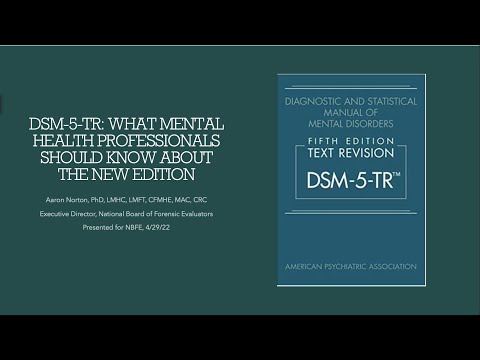
So, what’s the **DSM-5**? Well, it’s the fifth edition of this manual. It was released in 2013 and has been widely used in diagnosing mental disorders since then. The thing about the DSM-5 is that it categorizes various mental health issues in a way that makes it easier for professionals to identify them.
Here are some key points about its role and importance:
- Standardization: The DSM provides a common language for clinicians. This means when someone says “depression,” everyone knows what they’re talking about; there are specific criteria that describe how depression looks.
- Diagnosis: When you visit a therapist or psychiatrist, they often use the DSM as a reference tool to figure out what you might be experiencing. It helps them understand your symptoms better.
- Research: The DSM isn’t just for diagnosis; it also plays a major role in research. Having standardized definitions allows researchers to measure things more accurately across studies.
- Treatment planning: Once you have a diagnosis based on DSM criteria, your healthcare provider can develop a treatment plan tailored specifically for you.
Now, let’s talk about why people worry about the DSM sometimes. Some folks think it pathologizes normal human experiences or labels people too quickly without enough understanding of their unique situations. For instance, if someone feels anxious before an exam but doesn’t have an anxiety disorder, they might feel boxed in by these categories.
And then there’s the controversy around certain disorders getting more attention than others—think ADHD vs. borderline personality disorder. It can lead to disparities in treatment options or societal understanding.
Still, despite all its flaws and controversies, the **DSM-5** remains a critical tool in mental health care today. It gives us some structure where chaos might otherwise reign when trying to understand complex human emotions and behaviors.
Talking from experience—when I was working with someone who felt lost in their feelings of sadness and hopelessness after losing a job, diving into the DSM-5 helped clarify that we were dealing with major depressive disorder instead of just “feeling blue.” That clarity opened up avenues for treatment options we could explore together.
Basically, while not perfect (what ever is?), the **DSM-5** serves as an essential map guiding both clinicians and folks navigating their mental health journeys through difficult terrain.
Understanding the DSM-5: A Comprehensive Guide to Mental Health Classification
The DSM-5, or the Diagnostic and Statistical Manual of Mental Disorders, Fifth Edition, is like the go-to book for mental health professionals. It’s basically a detailed guide that helps clinicians diagnose various mental health conditions. This means it organizes mental disorders into categories so that doctors can better understand and identify what someone is going through.
Why does it matter? Well, think about it this way: if you broke your arm, you’d want a doctor to know exactly how to treat it based on established guidelines. The same goes for mental health. The DSM-5 provides a common language and criteria for diagnosing disorders. It’s not perfect, but it’s incredibly helpful.
Now, let’s break down what this guide includes:
- Categories of Disorders: The DSM-5 groups disorders into broad categories like mood disorders, anxiety disorders, and personality disorders. Each category has specific criteria that must be met for a diagnosis.
- Specific Criteria: Each disorder has its own set of symptoms. For example, to diagnose Major Depressive Disorder, a person typically needs to have symptoms like persistent sadness or loss of interest in activities for at least two weeks.
- Cultural Considerations: The DSM-5 acknowledges that cultural background can affect how symptoms are expressed and understood. This is crucial since what looks like depression in one culture may be viewed differently in another.
- Changes from Previous Editions: There have been significant updates from the DSM-IV to DSM-5. One big change was merging some previously separate diagnoses into broader categories—like combining Asperger’s Syndrome with Autism Spectrum Disorder.
- The Role of Research: New research influences how disorders are categorized and understood over time. In a sense, the DSM-5 isn’t set in stone; it evolves as we learn more about mental health.
It’s worth mentioning that while the DSM-5 is valuable for diagnosis and treatment planning, it’s just one tool in a clinician’s toolbox. A compassionate therapist might look beyond the manual to consider your personal story, experiences, and feelings.
Sometimes, people worry about being labeled because of a diagnosis. It’s natural! But remember: this classification system is meant to guide treatment rather than box you in as a person.
Consider Sarah’s story: she struggled with anxiety for years but didn’t realize it until she visited her therapist. Using the DSM-5 guidelines helped her therapist identify her struggles as Generalized Anxiety Disorder (GAD). With that understanding came relief—knowing she wasn’t alone and there were ways to manage her anxiety effectively.
In short, the DSM-5 plays an essential role in modern mental health by providing structure and clarity around various conditions while also recognizing individual differences. It helps forge paths toward healing when things feel overwhelming or unclear.
So if you’re ever curious about how mental health professionals make sense of different conditions or why certain terms pop up during therapy sessions—that’s where you’ll find the heart of those discussions!
Understanding the Need for DSM-5 Revisions: Impact on Mental Health Care and Diagnosis
The DSM-5, or Diagnostic and Statistical Manual of Mental Disorders, Fifth Edition, is crucial for mental health professionals. It’s like a roadmap for diagnosing mental disorders. But guess what? It’s not set in stone. The need for revisions comes from all sorts of reasons that directly influence mental health care and how people get diagnosed.
First off, the language we use matters. The DSM-5 has been critiqued for terms that feel outdated or stigmatizing. Think about it; calling something «mental retardation» just doesn’t sit right anymore. So, modernizing the language could help remove stigma and make patients feel more understood and accepted in the system.
Then there’s the classification of disorders itself. Some conditions might be lumped together or split apart in ways that don’t truly reflect reality. For instance, look at anxiety disorders—it can be tricky to differentiate between generalized anxiety disorder (GAD) and panic disorder since they share symptoms. With revisions, these disorders could get clearer definitions, leading to better treatment plans tailored to you.
Another point is about cultural competence. What works for one culture might not work for another. A diagnosis made in one context might mislabel someone from another background simply because of cultural differences in expressing distress. Revisions could encourage inclusivity by considering various cultural perspectives so everyone gets a fair shot at proper diagnosis and care.
Plus, there’s the science aspect—our understanding of mental health keeps evolving! New research brings fresh insights into brain functions and how various factors like trauma or genetics play into mental health conditions. If the DSM-5 isn’t updated regularly, we risk missing out on effective treatments based on new findings.
It’s also worth noting how insurance companies often rely on DSM-5 criteria for coverage decisions. If certain conditions are categorized incorrectly—or if newer conditions aren’t included—this could affect your access to necessary care and medications. Revisions can help align diagnoses with what’s truly recognized in current practice so you’re not left without options when you’re feeling down.
And finally, let’s talk about clinicians’ experiences—they’re basically on the front lines! If they find certain criteria vague or hard to apply in practice, it can lead to misdiagnoses that harm instead of help. By revising these guidelines based on feedback from professionals who work with patients daily, we create a much more effective system.
In summary:
- Language modernization can help reduce stigma.
- Cultural competence ensures everyone is accurately diagnosed.
- Science evolves, so should our diagnostic criteria.
- Insurance coverage relies heavily on accurate classifications.
- Clinician feedback drives practical revisions.
In short, revising the DSM-5 isn’t just some bureaucratic task—it’s essential for improving mental health care across the board! Let’s hope future updates will make things even better for everyone seeking help—you deserve it!
The DSM-5, you know, that’s the big book of mental health disorders, right? It stands for the Diagnostic and Statistical Manual of Mental Disorders, Fifth Edition. It’s kind of like an encyclopedia for therapists and doctors. Many people rely on it, but it can be a little controversial, too.
So, picture this: You’re sitting in a waiting room, nervous about your appointment. You’ve been feeling off—anxiety creeping in like an uninvited guest at a party. A therapist pulls out the DSM-5 and starts to read up on panic disorder or maybe depression to figure out what’s going on with you. Sounds straightforward, but here’s the thing—it doesn’t capture everything about who you are or how you feel.
For instance, take someone with anxiety who also struggles with their sense of self-worth. That stuff doesn’t neatly fit into just one box! Yet, the DSM tries its best to categorize people based on clinical symptoms. Sometimes it feels like trying to fit a square peg into a round hole.
And then there’s the whole conversation about stigma. If someone tags you with a diagnosis from this big ol’ manual, it can feel heavy! It can make people nervous about seeking help or lead them to think they’re defined by their condition—like being labeled instead of seen as a whole person with layers and depth.
But let’s not throw the DSM-5 under the bus entirely! When used wisely, it can be super helpful for guiding treatment plans and understanding patterns in behavior. Therapists often use it as a jumping-off point to get deeper into what their clients are experiencing.
So yeah, the DSM-5 plays this critical role in diagnosing mental health conditions today: helping professionals communicate clearly about diagnoses while also facilitating research and improving treatments over time. Just remember that behind every label is a human story—complex and unique!