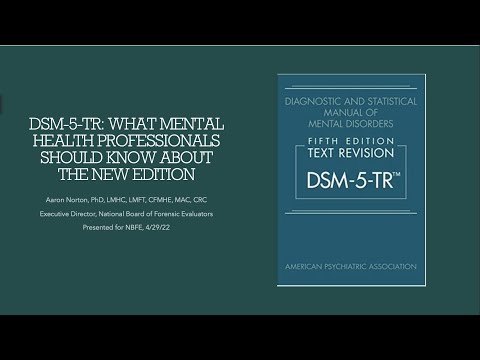
Alright, so let’s chat about this thing called DSM-5. You know, it’s that big book that mental health pros use to classify all sorts of mental health stuff?
It’s kind of like a giant map. Seriously! It helps us figure out where someone might be struggling and what they need.
But here’s the kicker: it can feel super overwhelming sometimes. So many categories, right? From anxiety to mood disorders, and everything in between.
Imagine trying to navigate a huge store without a map—you’d just end up lost! That’s why we’re breaking it down.
We’ll keep it light and easy to understand. You’ll get the basics without feeling like you’re drowning in jargon. So buckle up, because we’re about to make this whole DSM-5 thing way more relatable!
Exploring the Different Categories of DSM-5: A Comprehensive Guide to Mental Health Disorders
The DSM-5, or the Diagnostic and Statistical Manual of Mental Disorders, Fifth Edition, is like the big book of mental health disorders that many professionals turn to when they need to figure out what’s going on with someone’s mental health. It’s organized into different categories to help in diagnosing and treating various disorders. Let’s break down these categories a bit.
First off, you’ve got the Neurodevelopmental Disorders. This category includes conditions like Autism Spectrum Disorder and ADHD. These are usually diagnosed early in life and can affect things like learning and behavior. Imagine a kid who struggles to focus or has trouble understanding social cues—these might be signs of something falling under this umbrella.
Then there are Schizophrenia Spectrum and Other Psychotic Disorders. This is where you find conditions that include symptoms like delusions or hallucinations. Think of a person who hears voices that aren’t there; that’s something you’d find in this category. It can be really tough for folks dealing with these issues, so having the right diagnosis is crucial.
Next up are the Bipolar and Related Disorders. This group features mood swings that go from super high energy (mania) to deep lows (depression). A friend once told me about how she would feel on top of the world one week but completely depressed the next. That rollercoaster ride she’s been on—totally something you’d look at in this section.
Now let’s chat about Depressive Disorders. You know those days when getting out of bed feels impossible? That could fall under major depressive disorder or persistent depressive disorder (dysthymia). Recognizing this can really help people find proper support and treatment, which is so important for their overall well-being.
Moving on, we have Anxiety Disorders. This includes stuff like generalized anxiety disorder, panic disorder, and social anxiety disorder. Ever felt your heart racing before speaking in front of a group? Yeah, that kind of anxiety can really hold someone back if not addressed properly.
Then there are Obsessive-Compulsive and Related Disorders. This is where compulsions or obsessions come into play—think repetitive behaviors or unwanted thoughts. Like someone who can’t stop checking if they locked their door—that’s a real struggle for many people caught up in this cycle.
Next up, we have Trauma- and Stressor-Related Disorders, which includes PTSD among other conditions triggered by traumatic events. Picture someone who can’t shake off memories from a scary experience—they might fall into this category.
Also important are the Dissociative Disorders, where folks might feel disconnected from themselves or reality. Imagine experiencing gaps in memory or feeling as though you’re outside your body—that’s what dealing with dissociation can be like.
And don’t forget about Somatic Symptom and Related Disorders, where physical symptoms arise without clear medical explanations but can cause real distress. A person might feel chronic pain or fatigue even when tests show nothing’s wrong physically.
Then there’s the realm of Feeding and Eating Disorders. This includes conditions like anorexia nervosa or binge-eating disorder—serious issues tied up with body image that demand compassion along with clinical understanding.
Moving forward, we have Sleep-Wake Disorders, which cover anything from insomnia to sleep apnea. Sleep matters! A lack of good rest messes with everything else in life.
And let’s not overlook the Substance-Related and Addictive Disorders. Addiction truly affects lives deeply, whether it’s drugs, alcohol, gambling—you name it. Understanding where it fits helps guide recovery efforts effectively.
Lastly, we’ve got the category for Personality Disorders, which covers various patterns affecting how people think about themselves and relate to others—everything from borderline personality disorder to narcissistic personality disorder comes under here.
In short—and I mean it’s quite an array—the DSM-5 provides a blueprint helping mental health providers understand what someone might be going through based on their symptoms. Each category paints a picture of different experiences; knowing these distinctions helps foster compassion along with effective treatment paths for everyone involved!
Understanding Diagnostic Classification Systems in Mental Health: A Comprehensive Guide
Alright, let’s break down diagnostic classification systems in mental health, especially the DSM-5. If you’ve got questions about how it all works, you’re in the right place!
First off, the DSM-5, which stands for the Diagnostic and Statistical Manual of Mental Disorders, Fifth Edition, is kind of like a giant rulebook for mental health professionals. It helps doctors and therapists figure out what’s going on with their patients. So basically, it’s a manual that outlines various mental health conditions and their symptoms.
Now, this classification system is super important because it gives everyone a common language to talk about mental health issues. You wouldn’t want your therapist speaking in some secret code! The DSM-5 is organized into categories based on similar symptoms or experiences.
Here are some key points on how it all works:
But here’s the kicker: the DSM-5 isn’t perfect. It can sometimes seem too rigid because it doesn’t capture everyone’s unique experience with mental health issues. People might not fit neatly into those boxes, you know?
When we’re talking about diagnostics—diagnosing isn’t just checking off boxes on a list! Real-life experiences matter too! It’s essential to consider how emotional struggles affect everyday life.
Also worth mentioning: the DSM-5 has been criticized for being too medicalized—like turning human emotions into mere data points! But while it serves its purpose in providing structure for diagnosis, actual therapy requires understanding people as whole beings.
So if you’re sitting across from your therapist talking about feelings and behaviors that don’t line up perfectly with one diagnostic label—you’re not alone! That’s part of being human.
In short? The DSM-5 can be a useful tool for mental health professionals, helping them make informed diagnoses based on established criteria while balancing individual experiences. It’s all about figuring out what works best for you as an individual navigating your unique journey through life!
Just remember: labels can guide treatment but they don’t define who you are or what you’re capable of achieving in life!
Essential Tools and Criteria Mental Health Experts Use to Diagnose Disorders
Okay, so let’s get into the nitty-gritty of how mental health experts diagnose disorders. It seems kinda complex, right? But when you break it down, it makes sense. The main tool they use is the DSM-5, which stands for the Diagnostic and Statistical Manual of Mental Disorders, Fifth Edition. This bad boy is like the Bible for mental health professionals.
First off, the DSM-5 categorizes different mental health disorders. It has sections for various types of conditions—like anxiety disorders, mood disorders, and personality disorders. Each category includes specific criteria and symptoms that need to be met for a diagnosis.
You know how sometimes you might feel really anxious before a big presentation? That feeling is totally normal! But if that anxiety *really* interferes with your daily life—like avoiding social situations or feeling panic attacks frequently—then it could fall under something more serious like Generalized Anxiety Disorder (GAD).
Here are some key tools and criteria that experts use to diagnose:
Now you might wonder why this all matters so much. Well, correct diagnosis leads to effective treatment! It helps pinpoint what kind of therapy might work best or whether medication is necessary.
Just think about my friend Sarah—she was dealing with some heavy stuff: insomnia, sadness without any clear reason—all signs pointing towards depression. After seeing a therapist who used these tools and criteria from the DSM-5, she got her diagnosis sorted out: Major Depressive Disorder. With support through therapy and medication tailored to her needs, she started feeling better over time.
In short? Using the DSM-5 and these diagnostic tools helps ensure people receive appropriate care based on their unique experiences—so they can start healing and thriving again!
You know, when you start digging into the DSM-5, it’s like peeling back the layers of an onion. Seriously. There’s a lot going on in there, and it can get pretty overwhelming. It’s the Diagnostic and Statistical Manual of Mental Disorders that mental health pros use to classify mental health issues. And while it’s all very structured, there’s something deeply human about these diagnostic categories.
Take depression, for instance. The DSM-5 breaks it down into specific criteria—like having a low mood or losing interest in activities you once enjoyed for at least two weeks. I remember talking to a friend who had been feeling this way. She felt lost and thought it was just her personality or something she could shake off with some positive thinking. But when I mentioned the existence of conditions like Major Depressive Disorder—and how they’re recognized in that big book—it opened her eyes a little. It made her realize she wasn’t alone and that there was help out there. It’s wild how knowing you’re part of a category can sometimes make those feelings feel more manageable.
But here’s the thing: while these diagnostic categories are super helpful for professionals to communicate about symptoms and treatments, they can also feel limiting. Every person has their unique experience! You might fit someone in one category on paper, but that doesn’t capture your whole story.
And let’s not forget about stigma. People hear “diagnosis,” and sometimes their minds race to all sorts of conclusions that aren’t true or fair at all. The labels can carry weight—like being branded with something heavy when really, you’re just navigating life the best way you can.
In practice, though, many therapists use these categories as starting points rather than hard-and-fast rules. It makes sense to have some structure for treatment but blending that with compassion seems key too. Mental health professionals often focus on understanding individuals’ experiences within these categories rather than just treating symptoms based on a list.
So yeah, while the DSM-5 is an important tool for assessing mental health conditions, it also reminds us to approach each person holistically—not just as signs and symptoms but as real people facing real struggles every day. It’s a balance between classification and empathy—or at least that’s how I see it!