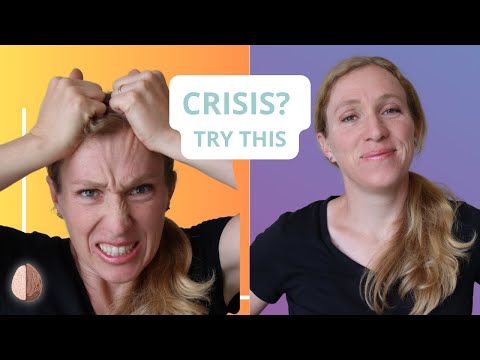
Hey! So, let’s talk about something really interesting—Dialectical Behavior Training, or DBT for short. Sounds fancy, right? But seriously, it’s like this cool toolkit for your brain.
You ever have those days when everything feels like way too much? Stress piling up, emotions running wild? Yeah, I know the vibe. That’s where DBT can totally help you out.
It’s not just for people with big mental health struggles. Anyone can benefit from it. Seriously! Whether you’re dealing with anxiety or just trying to handle life’s ups and downs, DBT gives you some solid skills.
So let’s get into it! You’ll see how you can really amp up your mental wellness and feel a little more in control.
Practical Examples of Dialectical Behavior Therapy: Techniques for Emotional Balance and Resilience
Dialectical Behavior Therapy, or DBT for short, is like this super cool toolbox for managing emotions and building resilience. It was originally designed to help people with borderline personality disorder, but it’s now used for lots of different challenges. Imagine having a friend who’s always there to help you balance your emotions and make thoughtful choices.
One of the main concepts in DBT is validation. This means recognizing your feelings as real and important. You know when you’re feeling overwhelmed, and someone just says, “Hey, it’s okay to feel like that”? That’s validation. It helps you feel heard and understood.
Then there’s the skill of mindfulness. This is all about being present in the moment without judgment. Picture yourself sipping coffee while noticing the warmth of the cup or the steam rising—like really focusing on that experience. When times get tough, mindfulness helps you step back from chaos and gain clarity.
Another key part is distress tolerance. Sometimes life throws curveballs, right? Distress tolerance skills teach you how to cope with those moments without getting swallowed by them. Think of it like putting on emotional armor so you can deal with stressors without falling apart.
You can also practice emotion regulation. This isn’t about ignoring your feelings; instead, it’s learning how to understand and manage them effectively. For example, if you’re feeling anxious before a big presentation, instead of letting panic take over, you might identify that feeling as nervous excitement and channel that energy into your performance.
And let’s not forget about interpersonal effectiveness. This skill helps improve relationships by teaching you how to communicate your needs clearly while maintaining respect for others. Let’s say a friend keeps canceling plans last minute. Instead of lashing out or just letting it slide, with these skills in hand, you’d learn how to express your disappointment honestly but calmly.
DBT combines all these skills together in sessions—where therapists guide you through real-life application—and homework assignments where you put them into practice yourself. It’s kind of like training for an emotional marathon; consistency builds strength!
Overall, DBT isn’t just about fixing what’s broken; it encourages growth through understanding emotions better and improving relationships around us. Just think: by using even one or two techniques regularly, you’ll start noticing shifts not only within yourself but also in how you navigate everyday life!
DBT vs CBT: Understanding the Key Differences and Choosing the Right Therapy for You
So, you’re trying to get your head around the difference between Dialectical Behavior Therapy (DBT) and Cognitive Behavioral Therapy (CBT)? Totally get it. They’re both popular therapies, but they have some pretty distinct vibes. Let’s break it down.
Background of CBT
Cognitive Behavioral Therapy is all about the connection between your thoughts, feelings, and behaviors. Basically, if you change how you think about something, you can shift how you feel and act. Think of it like this: if you’re stuck in a negative thought spiral—like believing you’ll fail at everything—CBT helps you challenge that thought and replace it with something more realistic or positive.
Background of DBT
Now, DBT came into the mix as a specific type of therapy for folks dealing with intense emotions, especially those struggling with borderline personality disorder. It combines CBT skills like changing unhelpful thoughts but also throws in some mindfulness techniques—like being present in the moment—along with strategies for emotional regulation and improving interpersonal relationships.
Key Differences
The main difference between them? The focus!
- Cognitive Focus: CBT zeros in on identifying and changing negative thought patterns.
- Emotional Focus: DBT acknowledges that emotions can be super intense, so it provides tools not just for changing thoughts but also for managing overwhelming feelings.
- Skills Training: While CBT is often more talk-based, DBT includes structured skills training sessions where you learn practical techniques to cope better.
- Mindfulness: This is a big one! Mindfulness is central to DBT. It teaches you to observe your thoughts without judgment—which can be seriously helpful during tough times.
- Audience: CBT works well for a wide range of issues like anxiety and depression; meanwhile, DBT specifically targets emotional dysregulation and has shown great success with people who might self-harm or struggle with relationships.
The Process
In terms of how sessions go down:
For CBT, you’re typically looking at shorter-term treatment focused on tackling specific issues using structured sessions. You’ll work on identifying those pesky negative thoughts.
On the other hand, DBT tends to be longer-term. You might join group sessions alongside individual therapy. The groups focus on skill-building—for instance, learning distress tolerance or improving interpersonal effectiveness.
Your Choice
So how do you choose which one’s right for you? Well, think about what you’re facing right now:
If you’re dealing mostly with anxiety or depression where negative thinking’s the big hurdle, CBT might be your best bet. But if you’ve got intense emotions that feel overwhelming or find yourself in rocky relationships often—it could be time to check out DBT.
Ultimately, both therapies offer valuable tools to enhance mental health; it really boils down to what resonates more with your current challenges. Whatever route you take can lead toward growth—you just have to find what feels right for your journey!
Understanding DBT Therapy: Effective Strategies for Emotional Regulation and Mental Wellness
Understanding DBT Therapy is a big topic, but let’s break it down into bite-sized pieces. You might be wondering what DBT even stands for. Well, it’s short for Dialectical Behavior Therapy, and it’s a type of cognitive-behavioral therapy that was designed for people who have intense emotions and struggle with relationships, self-image, and more.
One of the key things about DBT is its focus on emotional regulation. This means learning how to manage your feelings without letting them control you. Imagine feeling overwhelmed by sadness or anger; DBT gives you tools to work through those feelings instead of pushing them away or acting on impulse.
- Mindfulness: This is all about being present in the moment. Think of mindfulness as putting on a pair of glasses that help you see things clearly, instead of being caught up in your racing thoughts. It helps you notice your emotions without judgment.
- Distress Tolerance: Sometimes life throws curveballs—like losing a job or having a fight with a friend. Distress tolerance skills help you cope when things get rough. These skills are like emotional first-aid kits; they help you deal with pain in healthier ways.
- Emotional Regulation: As I mentioned earlier, this part teaches you to understand and manage your emotions better. You learn to recognize triggers and find strategies to calm yourself down when necessary.
- Interpersonal Effectiveness: Relationships can be tricky! This skill set helps you communicate better and build healthier connections with others while still respecting your own needs.
An important element is the way DBT emphasizes both acceptance and change. It wants you to accept where you’re at emotionally but also encourages growth—like saying “Okay, I’m feeling really anxious right now,” while also working toward calming that anxiety.
Let’s talk about an example for clarity: Picture someone named Sarah. She often feels like her emotions are a rollercoaster ride—one minute she’s on top of the world, and the next she’s plummeting into despair. Sarah decides to try DBT therapy after realizing her relationships suffer because she either shuts down or lashes out when upset.
Through mindfulness training in session one, Sarah learns how to pause before reacting impulsively. When her friend cancels plans last minute (trigger!), instead of immediately texting back something hurtful, she takes a deep breath and counts to ten first. That little pause allows her to respond more calmly.
So why does all this matter? Because having these tools can make such a difference in daily life! You start gaining control over those big feelings rather than letting them run amok. It brings relief—not just personally but also in how we relate with others.
DBT isn’t just some fleeting trend; it’s rooted in research showing effectiveness for various mental health conditions like borderline personality disorder, depression, anxiety disorders—seriously impressive stuff! But remember that finding the right therapist who specializes in DBT can really enhance your experience.
In sum, if emotional ups-and-downs feel like they’re controlling your life, exploring DBT therapy might turn out pretty beneficial for finding balance and promoting mental wellness. Embracing those skills not only allows for better management of feelings but opens doors to healthier relationships too—what more could you want?
You know, mental health is one of those things that can be super tricky to navigate. It’s like riding a rollercoaster that sometimes just won’t stop. So, when I stumbled across Dialectical Behavior Training (DBT), it felt like a light bulb moment. Seriously, it’s like someone handed you a map in the middle of a maze!
DBT is all about finding balance. You’ve got your thoughts and feelings on one side and reality on the other. And let me tell you, for anyone who struggles with emotions—like feeling really intense or having trouble sitting with certain feelings—this technique could be a game-changer.
I remember talking to my friend Jess about DBT during one of those late-night chats with ice cream in hand—a classic. She had been dealing with anxiety and mood swings for years, and nothing seemed to help. Her therapist suggested some DBT skills, and at first, Jess was skeptical, thinking it was just another fad. But then she started practicing mindfulness and distress tolerance skills—things like deep breathing or grounding exercises—and I could see her slowly start to shift her perspective.
Within weeks, she felt more equipped to handle tough situations without going into complete meltdown mode. Instead of just reacting emotionally, she learned to pause, think about what she was feeling, and then make choices that felt right for her in the moment.
The thing is, DBT isn’t just about feeling better; it’s also about living better. It helps you build healthy relationships while embracing the chaos of life—seriously useful stuff! That balance between acceptance and change? Gold star worthy! Using strategies like “radical acceptance” can really put a new spin on how you view challenges.
So yeah, if your mental health feels like it’s been thrown around in a tornado lately—or even if you’re looking for ways to enhance what you’ve got going on—DBT might just offer you some solid tools to keep your head above water. Just remember that it takes time and practice—like trying to learn guitar or any new skill really—but hanging in there might lead to some amazing breakthroughs!