You know that feeling when your emotions are all over the place? Like one minute you’re totally fine and the next, you’re in a puddle of tears? Yeah, it’s rough. A lot of people deal with this kind of rollercoaster ride every day.
That’s where dialectical therapy comes in. It’s a kind of therapy that helps you balance those crazy emotions and find some peace. Seriously, it can be a game-changer.
Imagine learning to accept what you’re feeling while also figuring out how to change things for the better. Sounds kinda nice, right?
Let’s chat about what dialectical therapy is all about and why it might just be the thing you didn’t even know you needed!
Effective Dialectical Behavior Therapy Examples to Enhance Emotional Regulation and Interpersonal Skills
Dialectical Behavior Therapy, or DBT for short, is a pretty cool approach to help people like you deal with intense emotions and improve relationships. It was initially designed for folks struggling with borderline personality disorder, but it’s been found useful for a lot of other issues too, such as anxiety, depression, and eating disorders.
So, the whole idea behind DBT centers around two things: acceptance and change. You learn to accept your feelings while also working on changing behaviors that might not be so helpful. Let me break down some effective examples that really showcase how DBT works in real life.
One key component of DBT is mindfulness. This means being fully present in the moment instead of getting lost in worries about the future or past regrets. For instance, let’s say you’re experiencing anxiety during a big meeting. You could use **mindfulness techniques** by focusing on your breath. Just take a few deep breaths and really pay attention to how it feels. In that moment, it’s all about you and the air going in and out—nothing else matters.
Another area is emotional regulation, which is all about identifying and managing intense emotions effectively. Imagine you have a friend who tends to blow up when stressed. In DBT, they might learn to recognize when they’re starting to feel overwhelmed. Instead of reacting angrily, they could practice **self-soothing techniques**, like listening to their favorite song or taking a walk outside. By doing this regularly, they can begin to notice patterns in their emotions and manage them better over time.
Then there’s the **interpersonal effectiveness** part of DBT which helps improve how you interact with others. Think about someone who always avoids conflict because they’re afraid of confrontation. Through role-playing exercises in therapy (which can feel kinda silly but are super helpful), this person could practice saying no or expressing their needs more assertively without feeling guilty afterward.
And let’s not forget about distress tolerance. Life can throw some pretty tough moments at you! So having strategies for coping during those times is essential. You might use something called “the TIP skill” (Temperature, Intense exercise, Paced breathing) when feeling overwhelmed by strong emotions like anger or sadness. If you’re feeling really upset, splashing cold water on your face can actually help bring down emotional intensity—kind of wild how something so simple works!
In summary, Dialectical Behavior Therapy offers practical skills for improving emotional regulation and relating better with others through mindfulness practices, emotional management strategies, interpersonal effectiveness training, and distress tolerance techniques. These examples illustrate how DBT can make a real difference in everyday life situations.
So if you’re navigating through turbulent emotions or tricky relationships right now? Just remember there are tools out there that can help you feel more balanced and connected!
DBT vs CBT: Understanding the Key Differences and Choosing the Right Therapy for Your Mental Health
When you’re looking at therapy options, DBT and CBT are two big names that come up. They sound similar, but they’ve got some key differences. Let’s break it down, so you get a clearer picture of what’s what.
CBT, or Cognitive Behavioral Therapy, is focused on changing negative thought patterns and behaviors. The idea is simple: if you change how you think, you can change how you feel and act. So, if you’re constantly telling yourself, “I’m not good enough,” CBT helps you challenge and reframe those thoughts.
Now, switching gears to DBT, or Dialectical Behavior Therapy, which was actually developed from CBT but takes things a step further. It’s all about balancing acceptance with change. You see? It’s like saying, “Yeah, life can be tough sometimes, but here’s how we can improve it.” DBT combines cognitive-behavioral techniques with mindfulness practices.
So let’s dive into some key differences:
- Focus: CBT is more about understanding and changing your thoughts. DBT emphasizes emotions and relationships.
- Skills Training: In DBT, there’s a big focus on skills training—mindfulness, emotion regulation, distress tolerance, and interpersonal effectiveness.
- Therapeutic Relationship: DBT therapists often work on creating a collaborative relationship that’s more supportive than traditional CBT settings.
- Target Audience: CBT is great for a wide range of issues like anxiety or depression. DBT was specifically designed for people with intense emotional swings—like those seen in borderline personality disorder.
- Treatment Structure: CBT sessions typically follow a more structured format compared to the flexible approach in DBT which might include group skills training sessions alongside individual therapy.
Here’s where it gets interesting: let’s say you’re struggling with anxiety because of overwhelming feelings about your relationships. With CBT, you’d work to identify anxious thoughts like «They’re going to hate me.» You’d challenge that thought and replace it with something more balanced.
In DBT? You’d still look at those thoughts but also learn how to cope in real-time when emotions spike—like using mindfulness techniques to stay grounded while sorting through tough feelings with others.
Choosing between them really depends on where you’re at mentally and what feels right for you. If your concerns lean more towards negative thinking patterns and behaviors that are messing with your daily life—I mean like school or work stuff—CBT might be your jam.
But if you’re dealing with extreme emotional ups and downs or relationship issues that leave you feeling drained? Then? Yeah! Trying out DBT could be way beneficial.
In the end: both therapies have their strengths. It comes down to what resonates most with you at the moment; just don’t hesitate to reach out for help navigating these paths!
Understanding the Name: Why It’s Called Dialectical Behavioral Therapy
Dialectical Behavioral Therapy, often known as DBT, has a name that might sound a bit complex at first, but it’s pretty straightforward once you break it down. The term «dialectical» is key here. Basically, it refers to the idea of finding a balance between two opposing forces or ideas. You know how life can throw a ton of contradictions your way? Like feeling really sad and happy at the same time? That’s what dialectics is all about.
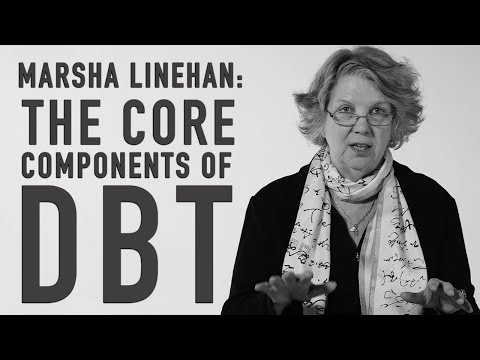
The therapy was developed by Dr. Marsha Linehan in the late 1980s, primarily for treating borderline personality disorder. She wanted to help people who felt like their emotions were too intense or like they were on an emotional roller coaster. So, when she talked about dialectics, she was encouraging folks to accept where they are emotionally but also work towards change.
But how does DBT actually work? Well, it combines two major things: acceptance and change. Acceptance means acknowledging your feelings and experiences without judgment while change involves developing skills to improve your life situation. This balance helps people feel validated while pushing them toward growth.
You might be wondering how this plays out in real life. Imagine you’re struggling with feelings of anger after an argument with a friend. Instead of just suppressing that anger or trying to ignore it—accepting that it’s there—you also learn skills through DBT to express yourself calmly and productively. This dual approach is a hallmark of dialectical thinking.
DBT also emphasizes mindfulness—a fancy word for being present in the moment. Through mindfulness practices, clients become more aware of their thoughts and feelings without getting swept away by them. It’s like watching clouds float by instead of getting caught in one.
Another cool aspect is that DBT is structured into four main components:
- Mindfulness: Learning to focus on the here and now.
- Interpersonal Effectiveness: Building healthy relationships.
- Emotion Regulation: Managing strong emotions effectively.
- Distress Tolerance: Getting through tough times without making things worse.
Each piece builds off the others, providing a comprehensive approach that respects where you’re at emotionally while also pushing towards skills for better living.
Bringing it all together—DBT’s name reflects its dual focus on acceptance and change through dialectical thinking. It’s about recognizing life’s complexities while empowering you to tackle challenges head-on. And honestly? That kind of balance can truly make a difference in navigating mental health issues.
Alright, so let’s chat about Dialectical Behavior Therapy (DBT). This one’s a big deal in the world of psychology, especially when it comes to helping folks manage their emotions. The thing is, DBT wasn’t just plucked from thin air; it was actually developed by this brilliant psychologist named Marsha Linehan. She really knew her stuff and created DBT primarily for people who struggled with borderline personality disorder. But over time, it’s expanded to help all sorts of emotional issues, you know?
Imagine dealing with intense feelings that just won’t quit. It’s like being on a rollercoaster ride that never ends! I remember talking to a friend who felt completely overwhelmed by anger and sadness. One minute she was fine, and the next she’d blow up over something small. That kind of emotional whiplash can leave anyone feeling lost or stuck.
So here’s where DBT comes in. It focuses on balance—hence «dialectical.» You learn how to accept your feelings while also working towards positive changes in your life. It’s kind of like holding two opposing thoughts at the same time and making peace with them—like “I’m really upset about this” but “I can still work through my feelings.”
DBT has four main components: mindfulness, distress tolerance, emotion regulation, and interpersonal effectiveness. Mindfulness is all about staying present and aware of your thoughts without getting swept away by them. Distress tolerance? That’s how you cope in tough moments without diving into unhealthy behaviors (like binge eating or self-harm). Emotion regulation helps you understand what you’re feeling and why, while interpersonal effectiveness focuses on improving your relationships.
This combination might sound like a lot at first but think of it as building a toolbox for handling life’s ups and downs. A close friend went through DBT treatment and always talks about how empowering it was to see things from different perspectives—like flipping a coin around until you see every side clearly.
And yeah, therapy isn’t easy work; it can be pretty daunting sometimes! But with DBT, you’re not just skimming the surface—you’re digging deep into what makes you tick emotionally while learning practical skills to help handle life better. It’s all about growth, acceptance, and connection.
If you’re feeling overwhelmed or struggling emotionally yourself—or maybe know someone who is—it could be worth looking into DBT as a way to find some balance in that emotional whirlwind we all experience once in a while! Remember: You’re not alone in this journey!