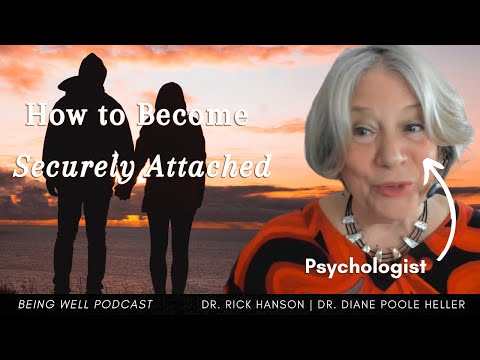
You know how some people seem to connect easily while others keep everyone at arm’s length? It’s all about attachment styles, my friend.
Diane Poole Heller has this amazing way of breaking it down. Her insights really shine a light on why we relate to others the way we do.
Honestly, it can be a little mind-blowing to realize how our early experiences shape our adult relationships.
Ever found yourself wondering why you cling on or run away? Yeah, that’s attachment at work.
Let’s explore these styles together and see how they impact your relationships—because understanding this stuff can seriously change the game!
Exploring Diane Poole Heller’s Attachment Book: A Guide to Understanding Relationships and Emotional Well-Being
Diane Poole Heller’s work on attachment styles really digs into how our early experiences shape our relationships later in life. It’s fascinating stuff! Basically, she breaks it down into a few crucial attachment styles: secure, anxious, avoidant, and disorganized. Each style affects how we connect with others.
Secure attachment is all about feeling safe and happy in relationships. You know those friends who are just easy to be around? That’s the vibe. People with this style are comfortable expressing their emotions and trusting others. It’s like they have this intuitive understanding of love and connection.
Then there are anxious attachment types. They often worry about their partner’s affection. Picture someone constantly texting you to see if you’re okay or if you still like them. This stems from a fear of abandonment, which can lead to being clingy or overly dependent on partners for emotional support.
Next up is the avoidant attachment style. These folks tend to keep their distance in relationships, both emotionally and physically. They might have had caregivers who were emotionally unavailable; they learned that getting close isn’t safe or comfortable. Imagine someone who dodges deep conversations at all costs—they prefer to keep things light.
And then there’s the disorganized attachment. This style combines elements of anxious and avoidant behaviors. Individuals with this style often feel confused about how to connect with others because they experienced unpredictable caregiving in their childhoods. Think of it as being caught between wanting closeness but also fearing it.
Heller emphasizes that recognizing your own attachment style can lead to healthier relationships! By understanding your tendencies, you can work toward more secure connections with others—be it friends, family, or romantic partners.
Her book offers practical strategies for transforming insecure attachments into secure ones. What’s awesome is that she also provides exercises aimed at helping you build emotional awareness and improve communication skills—so good!
Ultimately, her insights serve as a guide toward emotional well-being through understanding your personal experiences and how they shape your interactions with others. Plus, knowing about these styles helps not just yourself but also gives you insight into the people around you—seriously!
So next time you’re feeling off in a relationship or find yourself repeating patterns that don’t sit right, consider diving into Heller’s ideas on attachment styles—it could change the way you see your connections!
Understanding Child Attachment Styles: A Guide to Their Impact on Development
Understanding child attachment styles is a big deal because they can shape how kids connect with others throughout their lives. Based on the work of experts like Diane Poole Heller, we’ve got some insights that can really help us grasp this topic better.
Attachment styles are super important for child development. They basically describe how children bond with their caregivers, and this affects their emotional health and relationships later on. There are four main attachment styles: secure, anxious, avoidant, and disorganized.
Secure attachment happens when caregivers are consistent and responsive to a child’s needs. So, picture a kid who cries when they’re hurt, and their parent rushes in to comfort them. That kid learns that it’s okay to trust others. They feel safe exploring the world because they know they have someone to rely on.
On the flip side, anxious attachment forms when caregivers are inconsistent—sometimes loving, sometimes distant. Imagine a child who feels like they need to scream or cling to get attention because they never know if they’ll get it. This leads to worry in relationships later on. They might always feel like they’re not enough or that people will leave them.
Then there’s avoidant attachment. This style develops when caregivers are emotionally unavailable or rejecting. Kids with avoidant attachment often learn that it’s safer not to rely on anyone at all. Think of a child who learns to handle everything alone because asking for help isn’t an option. They may keep others at arm’s length in adulthood, making deep connections hard.
Now, disorganized attachment is a bit more complicated and can stem from traumatic experiences or inconsistent caregiving—like someone being loving one moment and frightening the next. It’s as if those kids feel confused about how to relate; their feelings about safety are all mixed up.
The impact of these styles runs deep into adulthood too! People carry these patterns into their romantic relationships and friendships, often without even realizing it.
For example, someone with a secure base will likely build healthy partnerships where both partners feel supported and valued. Meanwhile, individuals with anxious tendencies might find themselves caught in cycles of jealousy or fear of abandonment because that’s what they learned as kids.
So why does all this matter? Understanding these styles helps parents and professionals create better support systems for children as they grow up. It also encourages deeper conversations about our own pasts so we can recognize why we might act the way we do in relationships today.
Ultimately, **knowing about attachment styles** equips us with tools for healthier emotional development—not just for kids but for adults too! It’s like giving yourself a map through the often tricky terrain of human connection.
Understanding Anxious Preoccupied Attachment Style: Key Insights for Better Relationships
So, you’ve probably heard about attachment styles, right? They’re a big deal in understanding our relationships. One of the more complex ones is called **anxious preoccupied attachment style**. Let’s dive into it.
Anxious preoccupied individuals often feel a bit insecure about their relationships. They crave closeness but, at the same time, worry that others won’t meet their emotional needs. It’s kind of like having your heart in a constant tug-of-war. They tend to read into every little thing, which can lead to some serious overthinking.
People with this attachment style typically grow up in environments where their caregivers were inconsistent. You know, like sometimes they were there and sometimes they weren’t. This inconsistency creates anxiety because, well, you never know what you’re gonna get.
- Emotional Rollercoaster: You might find yourself feeling super connected one moment and then panicking the next.
- Need for Reassurance: You often seek out validation from your partner to feel secure and loved.
- Pushing Away: Ironically, the more you crave intimacy, the more you might push people away when you feel anxious.
Here’s a little story to illustrate this: Imagine Sarah, who’s always checking her phone for messages from her boyfriend. Each time he doesn’t reply instantly, her mind goes wild with thoughts – “Did I say something wrong?” or “Is he losing interest?” Instead of enjoying their time together, she gets stuck in a spiral of anxiety.
Another key point is how this style impacts communication in relationships. Anxious preoccupied folks may become overly clingy or needy at times. But flip that coin around and understand they genuinely want to be close; it’s just their anxiety doing the talking.
Conflict resolution can also become pretty tricky when someone has an anxious preoccupied attachment style. During disagreements, they might take things too personally or fear abandonment even more if things get heated.
In terms of growth and healing from this style? It’s totally possible! It starts with recognizing your patterns and gently challenging those nagging thoughts. Therapy can also be super helpful here—it allows for exploration and better understanding of feelings without judgment.
Relationships can flourish when both partners understand each other’s backgrounds and needs; this awareness opens up paths for healthier communication.
So yeah, knowing about anxious preoccupied attachment isn’t just some psychological jargon—it has real-world applications in making your relationships smoother and more fulfilling! Recognizing these traits can help break those cycles of anxiety and draw closer connections instead.
You know, the whole idea of attachment styles can be pretty eye-opening. I remember this one time when a friend was going through a rough patch in her relationship. She just kept saying she couldn’t understand why she was always so insecure and anxious about where things were heading. Then, we stumbled upon Diane Poole Heller’s insights on attachment styles, and it felt like a lightbulb went off.
Essentially, attachment styles show how we connect with others based on our early relationships—especially with caregivers. The big ones Heller talks about are secure, anxious, avoidant, and disorganized. So let’s break it down a bit.
If you’ve got a secure attachment style, you probably feel pretty good about yourself and your relationships. You trust easily and don’t freak out when someone doesn’t text back right away. But if you’re anxious? Well, then you might find yourself worrying constantly that your partner doesn’t love you enough or will leave you hanging at any moment.
Now, an avoidant style is totally different. If that’s your jam, you might struggle to get close to people because opening up feels scary—like wearing your heart on your sleeve makes you too vulnerable. And the disorganized style? That one’s like a rollercoaster ride of emotions: sometimes craving closeness but also pushing people away at the same time.
For my friend, learning about these styles was huge! She realized her anxious tendencies stemmed from things that happened way back in her childhood. That understanding gave her some space to breathe and start working on herself—like recognizing patterns in how she interacts with others instead of just feeling stuck.
Diane Poole Heller’s work encourages us to look deeper into ourselves and understand why we do what we do when it comes to love and relationships. It’s kind of like having an owner’s manual for your heart—helpful for figuring out what emotional needs aren’t being met or why certain situations trigger those old wounds.
So yeah, it’s not just about having good vibes in relationships; it’s also about understanding where those vibes come from. Knowing how attachment affects us brings clarity—and that can be empowering when trying to navigate our connections with others!