You ever find yourself in a situation where you feel, like, totally overwhelmed? It’s a mess, right? Your chest gets tight, your heart races, and all you want is to escape.
Well, I’ve got something cool to share. Diaphoretic breaths! Sounds fancy, huh? But it’s really just a way of breathing that can help when stress is piling up.
Imagine you’re stuck in traffic and your patience is wearing thin. You could blow up or try something different. That’s where these breaths come into play!
So here’s the deal: learning how to breathe properly can change the game when stress hits. Let’s chat about what these breaths are and how they can help turn down the volume on life’s craziness.
Understanding Diaphoretic Breathing: Techniques for Stress Relief and Emotional Wellness
You know when stress hits and you feel like the walls are closing in? That tight chest, the rapid heartbeat—it can be overwhelming. Diaphoretic breathing is one of those gems that can really help you chill out and regain your composure.
So what is diaphoretic breathing? It’s a specific type of breathing technique designed to help manage stress and promote emotional wellness. The term “diaphoretic” actually refers to sweating, but in this case, it’s mainly about how controlled breathing can lead to relaxation, almost like hitting the reset button on your emotions.
When you practice this kind of breathing, you’re focusing on slow, deep breaths that activate the body’s relaxation response. It’s kind of like giving yourself an internal massage—seriously soothing! Here are some key points about how it works:
- Increased Oxygen Flow: Taking deep breaths increases oxygen flow in your body. This helps your brain get more of what it needs to think clearly and feel less anxious.
- Reduces Heart Rate: Slow and steady breaths help lower your heart rate. Your body often reacts to stress with a racing pulse; calming your breath can counteract that.
- Triggers Relaxation Response: Deep breathing signals your brain to chill out and relax. It’s like sending a message saying, “Hey, it’s time to take a break.”
Now, let’s get into how you might actually try this out when stress comes knocking at your door.
One technique involves inhaling deeply through your nose for a count of four, then holding that breath for another four counts. After that, exhale slowly through your mouth for six counts. This process gives your body time to absorb the oxygen while also helping slow everything down.
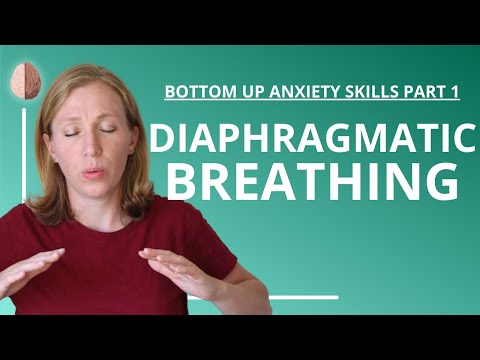
Another method is diaphragmatic breathing—where you focus on maximizing movement in your diaphragm rather than just filling up your chest with air. You’d place one hand on your chest and the other on your belly; as you breathe in deeply, aim for that belly hand to rise more than the chest hand.
You might find this practice useful during anxious moments—like before a big presentation or while stuck in rush-hour traffic. I once had a friend who used these techniques before going into meetings where he felt pressured; it transformed his experience from panic mode into something manageable.
Remember though: consistency is key! The more frequently you engage in diaphoretic breathing exercises, the easier they become during those stressful times. You’re basically training yourself to respond differently when life throws curveballs at you—and if there’s anything life loves doing, it’s throwing curveballs!
So next time stress rolls around uninvited, consider giving diaphoretic breathing a shot—it might just help calm those racing thoughts and bring back some emotional balance!
Understanding Diaphragmatic Breathing: A Key Technique for Effective Stress Management
So, let’s talk about diaphragmatic breathing>. You might’ve heard it called “deep breathing” or “abdominal breathing.” It’s a simple yet super effective technique for managing stress. Basically, it involves using your diaphragm—the muscle located just below your lungs—rather than your chest to breathe, and it can really help you chill out.
When you get stressed, your body goes into fight-or-flight mode. Your heart races, and your breath becomes shallow. You know that feeling when you’re anxious? It’s like your body is tightening up and saying, “Uh-oh!” This is where diaphragmatic breathing comes in handy.
Here’s how it works: you inhale deeply through your nose, allowing your belly to rise as you fill your lungs with air. Then you exhale slowly through your mouth. Just imagine filling up a balloon! The thing is, this kind of breathing sends signals to your brain that all is well. It helps reduce cortisol levels—the stress hormone—so you feel calmer and more centered.
Benefits of Diaphragmatic Breathing:
- Reduces anxiety>: When you’re feeling overwhelmed, just taking a few deep breaths can make a massive difference.
- Improves focus>: By calming down that racing mind, you can actually think more clearly.
- Enhances relaxation>: This technique can be especially handy before bed or during those moments when life feels just too much.
You know how sometimes people advise counting to ten? Well, diaphragmatic breathing works kind of like that but way better. I remember a friend who was always stressed about his job interviews. He started using this breathing method before stepping into the room. And honestly? It transformed his whole approach! Suddenly he was more present, relaxed, and confident.
Now let’s get technical for a sec but bear with me! When you engage in diaphragmatic breathing regularly, you’re *training* both your body and mind to handle stress better over time. It becomes easier to tap into that calm space whenever things start feeling chaotic again.
So yeah, if ever you’re feeling overwhelmed—whether it’s work deadlines or family drama—just take a moment for some diaphragmatic breaths. It sounds simple—and it really is—but the effects can be profound. Each breath pulls you back from the edge and brings a little peace into the chaos of life.
Incorporating this technique into daily routines might also promote better sleep quality… Imagine drifting off at night without that nagging anxiety keeping you awake!
It’s wild how something so basic like deep breathing can have such a positive impact on our mental health! So next time stress knocks on your door? Don’t forget to breathe—it seriously makes all the difference!
Unlocking the Benefits of Diaphragmatic Breathing for Enhanced Mental Health
Diaphragmatic breathing, also known as belly breathing, is an amazing tool for improving mental health. It’s a simple technique that taps into the power of your diaphragm, making your breath more effective and helping you feel calmer. So what’s the deal with this type of breathing? Let’s break it down.
When you breathe deeply using your diaphragm, you’re pulling air deep into your lungs instead of just filling up the upper part. This might sound minor, but it can seriously change how you feel. You see, shallow breathing—like when you’re stressed—can make anxiety worse. Your body thinks it’s in danger, which ramps up the stress response. But diaphragmatic breathing can flip that script.
Here are some cool benefits of practicing this technique:
- Reduces anxiety: When you take those slow, deep breaths, your body signals to your mind that it’s okay to chill out.
- Improves focus: Ever notice how hard it is to concentrate when you’re a ball of stress? Deep breaths help clear your head.
- Regulates emotions: Diaphragmatic breathing can create a sense of stability in turbulent emotional times.
- Enhances relaxation: It activates the body’s relaxation response, helping melt away tension.
Let me share a little story. A friend of mine was always anxious before big meetings at work. Heart racing, palms sweaty—you know how it goes. One day, I told her about diaphragmatic breathing. She decided to give it a try before her next presentation. She sat quietly for a few minutes and focused on long, deep breaths instead of freaking out about the meeting ahead. When she walked in there, she felt surprisingly calm and ready to take on anything! It was like flipping a light switch.
To practice diaphragmatic breathing yourself:
1. Sit or lie down comfortably.
2. Place one hand on your chest and the other on your belly.
3. Take a deep breath in through your nose for about 4 seconds while ensuring only your belly rises.
4. Hold that breath for a couple seconds.
5. Breathe out slowly through your mouth for 6 seconds as you let both hands relax back down.
Repeat this several times and just notice how different it feels compared to regular shallow breathers.
Incorporating diaphragmatic breathing into daily routines—like during breaks at work or before bed—can seriously boost emotional resilience over time. Remember though; it’s not magic—it won’t fix everything overnight! But hey, every little bit helps when navigating life’s ups and downs.
So next time you’re feeling overwhelmed or anxious, consider taking a few moments to tap into this chill-out technique. You might find it becomes an invaluable tool in managing stress and improving overall mental health!
Okay, so let’s chat a bit about diaphoretic breaths. Sounds like a fancy term, huh? But basically, it’s just breathing that helps you chill out when stress hits. You know those moments when life throws you a curveball? Like, maybe you’re stuck in a big meeting and suddenly feel that tightness in your chest. It’s not fun.
One night, I was stressed about an upcoming exam—my palms were sweaty, my heart racing. I couldn’t focus. Then I remembered this breathing trick someone told me about. I took a deep breath in through my nose and then exhaled slowly through my mouth. I repeated this a few times, and honestly? It felt like a weight started lifting off my shoulders.
The thing is, when you’re stressed, your body reacts—your heart races, your palms get sweaty (that’s the diaphoretic part!), and you sometimes feel like you’re spiraling. Breathing techniques can really help bring things back to center by activating your body’s relaxation response.
When you focus on your breath, it kind of interrupts that stress cycle going on in your brain. Instead of getting caught up in all those anxious thoughts swirling around like leaves in the wind, breathing slows down everything and lets you regain control for a moment.
I mean, it’s not like this is gonna solve all your problems overnight or anything—it’s more of a tool to use when things get rough. But every time I practice this technique before facing something stressful—whether it’s taking an exam or speaking up at work—I feel just a tad more prepared.
So yeah, if you’re feeling stressed out next time, try it out! Just remember to breathe deeply and give yourself that little break from the storm inside your head. Those diaphoretic breaths might just help clear things up!