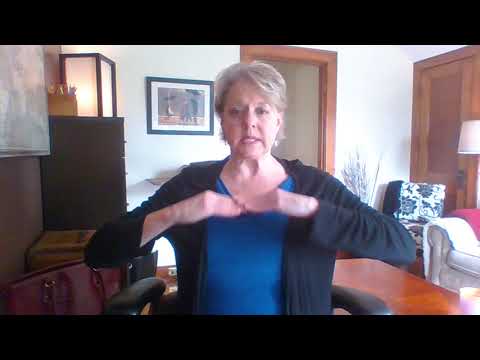
So, let’s chat about something that doesn’t get enough love: breathwork. Yeah, you heard me right. Those simple breathing exercises can actually do wonders for your mental health, especially if you’re dealing with COPD.
Imagine feeling more relaxed and in control, even when your lungs feel a bit heavy. Sounds good, right? Breathwork isn’t just some mystical practice; it’s super practical and can fit right into your daily life.
You know how sometimes you catch yourself holding your breath or breathing in a way that feels tight? Well, breathwork helps with that—and it’s not just about making you feel better. It can genuinely assist in managing COPD too.
Let’s break it down together and see how something so basic can have such a big impact on both your mind and body. Seriously, who knew breathing could be this powerful?
Essential Breathing Exercises for COPD: Free PDF Guide for Better Lung Health
So, let’s talk about breathing exercises for folks dealing with COPD. Chronic Obstructive Pulmonary Disease is tough. It makes breathing feel like a workout when you’re just trying to chill on the couch. But guess what? There are some breathing exercises that can actually help you manage those pesky symptoms and maybe even improve your lung health.
The thing is, breathwork isn’t just about inhaling and exhaling. It’s more like training your lungs to work better and making the most out of every breath. Here’s what you should know:
- Pursed-Lip Breathing: This one’s a classic. You breathe in through your nose for a count of two, then pucker your lips like you’re about to whistle, and exhale slowly through those lips for four counts. It helps keep airways open longer.
- Diaphragmatic Breathing: Think of this as deep breathing! Place one hand on your chest and the other on your belly. Take a deep breath in through your nose, making sure that only your belly rises. Exhale through pursed lips again, feeling that belly fall. This technique can help improve lung efficiency.
- Box Breathing: Need something calming? Try this one! Inhale deeply for four counts, hold that breath for four counts, exhale for four counts, and then hold again for four counts before repeating. This can help reduce anxiety as well.
The cool part? These exercises don’t just help with physical symptoms; they can support mental well-being too! When you’re focused on your breath, it takes you away from stressors—kind of like meditation but with a purpose.
I remember talking to a friend whose dad struggled with COPD. He felt overwhelmed by his condition all the time. But after incorporating some simple breathing exercises into his daily routine, he noticed he could stay calmer during flare-ups and even enjoy little moments more—like watching sunsets without gasping for air.
For those interested in exploring these techniques further, there are free resources available online—like PDFs or videos—that can guide you through each exercise more in-depth.
Breathwork isn’t going to cure COPD; that’s real talk. But it’s definitely an essential tool that helps you manage symptoms while giving you a bit more control over your day-to-day life.
Discover the Power of Breathing Exercises: Enhance Lung Strength and Boost Mental Well-Being
Breathing exercises can be a game changer, especially for people dealing with chronic obstructive pulmonary disease (COPD). It’s surprising how something as simple as your breath can impact both your lungs and your mind, right?
First off, let’s talk about what COPD is. It’s a group of lung diseases that make it hard to breathe. This often comes with anxiety and stress, making life even tougher. So, improving your lung function can seriously help you feel better overall.
Now, here’s where breathing exercises come in. They’re not just huffing and puffing; they actually enhance lung strength. Practicing deep breathing can expand lung capacity and improve oxygen flow. Think of it like giving your lungs a workout! You know how lifting weights makes your muscles stronger? Well, deep breathing does the same for your lungs.
Here are some key points about breathwork that you might find interesting:
So, have you ever tried counting while you breathe? It’s simple yet super effective! You could inhale deeply through your nose to a count of four, hold it for another four counts, then exhale slowly through your mouth for eight counts. Doing this a few times can really calm those nerves!
Here’s one more thing to think about: synchronized breathing. If you’re doing this with someone else or even in a group setting—like a class or support group—it creates a sense of connection and community. It’s kind of comforting knowing others are on the same journey.
You know what? I once met someone who was struggling with COPD but started incorporating breathwork into their daily routine. Over time, they noticed a difference—not just in their ability to breathe easier but also in how much calmer they felt overall. Sometimes taking control over something so innate as breathing can remind us we’re not so helpless after all.
In summary, embracing breathing exercises isn’t just about enhancing lung strength; it goes beyond physical benefits—it helps boost mental well-being too! Seriously worth considering if you’re looking for ways to feel better inside and out.
Enhance Lung Function in Seniors: Effective Breathing Exercises for Better Mental and Physical Health
Breathing. It’s something we do without even thinking about it, right? But if you’re a senior, especially with conditions like COPD (Chronic Obstructive Pulmonary Disease), proper breathing becomes super important for both your body and mind. Seriously, what happens is that when you breathe better, you can feel more energized and less anxious.
Let’s break down some effective breathing exercises that can really help improve lung function and overall well-being.
Diaphragmatic Breathing is one of the best exercises out there. It helps increase lung capacity by using your diaphragm more effectively. To do this, sit comfortably or lie down on your back. Place one hand on your chest and the other on your belly. When you breathe in through your nose, focus on making your belly rise while keeping your chest relatively still. Exhale slowly through pursed lips. Do this for about 5 to 10 minutes daily.
Another great one is the Pursed-Lip Breathing technique. This one’s super handy when you’re feeling short of breath, common in COPD. To practice it, inhale slowly through your nose for a count of two, then purse your lips as if you’re about to whistle and exhale slowly for a count of four or longer if you can manage it. This helps keep airways open longer and can lead to easier breathing.
Now let’s talk about Box Breathing. This exercise is also great for calming the mind—a big plus if stress contributes to breathlessness. Imagine drawing a square: inhale for a count of four, hold your breath for four counts, exhale for four counts, then hold again for four before starting over. Repeat this cycle several times.
Okay, so breathe easy while doing light stretches or gentle yoga poses too! They help deepen breaths and promote relaxation at the same time. For example, try seated forward bends while focusing on inhaling deeply as you extend upwards and exhaling as you fold forward.
Lastly, don’t forget Visualization Techniques. Picture yourself in a peaceful place—beach waves or blooming gardens—and focus on taking slow deep breaths as you imagine inhaling positive energy from that space while exhaling tension and stress.
Improving lung function isn’t all about physical health; it ties directly into mental health too! Feeling like you’re in control of your breathing can boost confidence and lessen anxiety levels significantly—seriously! Also remember to consult with healthcare providers before starting any new exercise regime; they can tailor advice that’s safe just for you.
In summary:
- Diaphragmatic Breathing: Focuses on using diaphragm effectively.
- Pursed-Lip Breathing: Helps manage shortness of breath.
- Box Breathing: Calms mind along with improving breath control.
- Gentle stretches/yoga: Enhances breath depth.
- Visualization: Reduces anxiety while improving breathing awareness.
Finding joy in these exercises might just change how you feel daily! So grab a comfy chair or find a sunny spot by the window—your lungs will thank you later!
Breathwork can be a real game changer, especially for folks dealing with COPD. You see, when you’re living with chronic obstructive pulmonary disease, just getting enough air can feel like climbing a mountain sometimes. I remember talking to my friend Sarah, who has COPD. She told me how frustrating it is when she can’t catch her breath, especially during something as simple as walking her dog. It made me realize how intertwined physical health and mental health really are.
So here’s the thing: breathwork isn’t just about taking deep breaths—although that helps! It’s more about learning to control your breathing in a way that calms you down, reduces anxiety, and makes you feel more in control of your body. For someone like Sarah, who often feels anxious about her next breath, having some strategies to manage that stress is super important.
Engaging in breathwork routines can bring this sense of calm and stability back. There’s this exercise called “diaphragmatic breathing.” You might have heard of it? Basically, it encourages you to breathe deeply into your belly instead of shallowly into your chest. Sounds simple, but trust me—once you get the hang of it, it feels amazing! It’s like giving your body permission to relax and take up space.
And then there’s mindfulness that comes along with breathwork. When you’re focused on breathing—really tuning into how each inhalation and exhalation feels—you kind of zone out everything else around you. That practice can be super grounding on those days when anxiety creeps in and threatens to steal the show.
While I’m no expert on COPD or breathwork specifically, I’ve seen how powerful these techniques can be for mental health too. They’re not a cure-all but add them into your routine alongside medical treatments? You might just find some relief from both physical symptoms and mental stress.
So if you or someone you care about is navigating the challenges of COPD, exploring breathwork could be worth a shot! Just remember to go at your own pace—you don’t want to feel overwhelmed by the very thing designed to help you breathe easier!