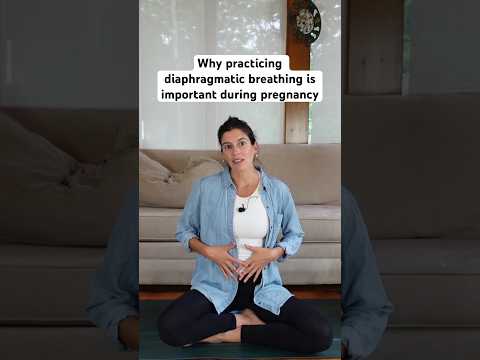
Hey, you! So, let’s chat about something super cool for all the mamas-to-be out there: diaphragmatic breathing. I know, sounds fancy, huh? But really, it’s just a way to breathe that can seriously help with the ups and downs of pregnancy.
You know how those nine months can be a rollercoaster? Between the excitement and those crazy hormones, it can get intense. That’s where this breathing stuff comes in. It’s like a little secret weapon for keeping your calm.
Imagine taking deep breaths that relax both your mind and body. Sounds dreamy, right? Well, it totally can be! Let’s dive into how diaphragmatic breathing can boost your mental wellbeing during this wild journey of pregnancy.
Essential Tips for Maintaining Mental Health During Pregnancy: A Comprehensive Guide
Pregnancy is a wild ride, huh? You’ve got joy, anticipation, but also a whirlwind of emotions. Keeping your mental health in check during this time is super important. One effective method you might want to consider is **diaphragmatic breathing**. So let’s unpack that a bit!
Understanding Diaphragmatic Breathing
This type of breathing focuses on using your diaphragm instead of just your chest. It’s like taking a deep breath to calm yourself down, which can really help with anxiety and stress during pregnancy. Picture yourself lying back, feeling your belly rise and fall with each breath. Sounds peaceful, right?
How It Works
When you breathe like this, you get more oxygen flowing to your body and baby. Plus, it activates your body’s relaxation response—like hitting the brakes on those racing thoughts! Seriously, it’s like giving your nervous system a hug.
Why It’s Important for Mental Wellbeing
Research shows that good mental health during pregnancy can lead to better outcomes for both you and the baby. Stress levels drop when you practice breathing techniques regularly.
So here are some key points to keep in mind about maintaining mental health through diaphragmatic breathing:
- Practice Regularly: Aim for at least 5-10 minutes each day. It’ll become second nature.
- Create a Comfortable Space: Find a cozy spot where you can relax without interruptions.
- Focus on Your Breath: Inhale deeply through your nose, letting your belly expand fully; exhale slowly through your mouth.
- Include Visualization: Imagine calm waters or gentle waves while breathing to enhance relaxation.
- Add Aromatherapy: Scents like lavender can make the experience feel even more soothing.
When I was pregnant with my first kiddo, I remember those crazy mood swings! I tried diaphragmatic breathing after hearing about it from my friend who swore by it. And let me tell you—there were days when all I wanted was to curl up in bed and not face the world. But just sitting quietly and focusing on my breath really helped me regain some clarity and peace.
Tuning into Your Body
Pregnancy might throw some physical discomforts at you too—backaches or fatigue can affect emotional well-being. Using diaphragmatic breathing helps connect with those feelings without judgment.
That way, if you’re feeling anxious or overwhelmed at any point (which is totally normal), just grab a moment for yourself and breathe it out!
So yeah, practicing this simple yet profound technique could be game-changing as you navigate through these nine months. Keep that connection open with yourself; it’ll benefit both you and that little one growing inside!
How Maternal Thoughts Influence Unborn Babies: Understanding the Connection
It’s pretty fascinating how a mother’s thoughts and feelings can affect her unborn baby. You know, emotions are like waves that can ripple through us. For a pregnant woman, those waves don’t just stop at her— they can reach the little one growing inside. Let’s break this down.
When you’re pregnant, your body goes through a ton of changes—both physically and emotionally. Think of all those ups and downs! If you’re feeling anxious or stressed, those feelings can create a kind of environment that might not be so great for the baby. Stress hormones like cortisol can travel through the placenta and influence fetal development. So **keeping your mental health in check is crucial**.
- Positive thoughts often lead to positive feelings.
- Stress and anxiety might result in complications.
- Meditation and breathing exercises help manage stress.
Here’s where diaphragmatic breathing comes into play. When you practice this kind of deep belly breathing, it helps calm your mind and reduces anxiety levels. The thing is, when you’re calm, your body is more relaxed, which creates a peaceful setting for the baby too. It’s almost like setting a cozy mood before bedtime!
Imagine this: Sara was pregnant with her first child and felt overwhelmed all the time—work stress, life changes, you name it. One day, she stumbled upon diaphragmatic breathing techniques online. Gave it a shot during her lunch breaks at work. Over time, she noticed that as she got into this habit of grounding herself through breath work, not only did she feel less anxious but she also started radiating more positivity toward her baby.
Research shows that when mothers engage in relaxation techniques—like deep breathing or mindfulness—it can lead to better outcomes for their babies! This means less preterm labor and even healthier birth weights. So it really pays off to invest time in mental well-being during pregnancy.
Pregnancy isn’t just about physical health; emotional health is equally vital! A positive mindset isn’t just about feeling good; it sets the stage for healthier bonding between mother and child after delivery too.
So remember: if you’re expecting or planning to be soon, prioritizing both your mind and body by using things like diaphragmatic breathing can have lasting effects on your unborn child’s development. Seriously—little bundles of joy can sense their mom’s vibes even before they make their grand entrance!
Effective Strategies for Managing Severe Anxiety During Pregnancy
Managing severe anxiety during pregnancy can feel like a rollercoaster, you know? It’s completely normal to feel overwhelmed as your body and life undergo so many changes. But the good news is, there are some effective strategies that can help you cope.
Diaphragmatic breathing is an excellent technique to calm your nerves and reconnect with your body. It’s all about using your diaphragm properly when you breathe, which can help lower anxiety levels significantly. When you breathe deeply from your abdomen, rather than just your chest, it sends calming signals to your brain. This can be especially helpful during those moments when anxiety feels like it’s taking over.
To practice this technique, try finding a comfortable position—sitting or lying down works best. Place one hand on your belly and the other on your chest. As you inhale deeply through your nose, let that belly rise while keeping your chest relatively still. Hold for a moment before exhaling slowly through pursed lips. You’d be surprised how much just a few minutes of this can help ground you!
Here are some other strategies that might ease those anxious feelings:
- Regular Physical Activity: Walking or gentle prenatal yoga can boost mood and decrease anxiety.
- Talk Therapy: Sometimes just chatting with someone who gets it can work wonders.
- Meditation and Mindfulness: Setting aside time to meditate or practice mindfulness can keep you in the present moment.
- Aromatherapy: Calming scents like lavender may help create a soothing space.
I remember when my friend Liz was pregnant; she struggled with intense anxiety too. She found diaphragmatic breathing helped her so much—especially when she woke up at 3 a.m., feeling restless and worried about everything under the sun! Each time she felt that wave of panic, she’d take a minute to focus on her breath instead of her racing thoughts.
It’s important not to underestimate how challenging this period can be for many folks, but it’s also key to remind yourself that you’re not alone in this journey. Connecting with others—be it friends or support groups—can provide comfort during these tough times.
So if you’re feeling severe anxiety while pregnant, try out some of these strategies! Find what works for you and don’t hesitate to reach out for professional help if needed! Your mental wellbeing is just as crucial as taking care of that little bump growing inside you!
You know, when you’re pregnant, the world just feels like a whirlwind sometimes. Your body’s changing, emotions are all over the place, and then there’s the stress of preparing for this new little life. It can be overwhelming, right? That’s where diaphragmatic breathing comes in—it’s like this simple tool that can really help ground you and calm the chaos swirling around.
So, diaphragmatic breathing is all about using your diaphragm to take deep breaths. Instead of just puffing up your chest like a balloon (which is totally what most of us do), you breathe down into your belly. It’s kind of like you’re filling up a big water balloon instead! When you do it right, your stomach expands as you inhale and contracts as you exhale. It may sound basic, but it works wonders.
I remember one friend sharing how she felt during her pregnancy—she was always anxious about everything: the baby’s health, financial worries, even what kind of parent she’d be. It made her feel scattered and frazzled. Then she discovered this breathing technique through a prenatal class. At first, she thought it was silly—like how could breathing make any difference? But after a couple of weeks of practice, she started feeling more peaceful during those moments when anxiety crept in.
When you get into that rhythm with your breath—slowly inhaling and exhaling—it creates this beautiful sense of calm. You can literally feel stress easing away. Plus, it helps improve oxygen flow for both you and your baby! That can’t be bad at all.
What’s really cool is that it also connects you to your body in a way that’s so important during pregnancy. You become more aware of how you’re feeling emotionally and physically; it’s like tuning into a radio station that plays just the right music for relaxation.
Seriously though, if you’re expecting or planning to be pregnant soon—even if you’re just stressed out sometimes—give it a try! It takes some practice to get used to but trust me; once it clicks for you, it’s like having this secret weapon against fear or panic.
Taking those deep breaths isn’t only helpful while pregnant either; it’s something you can carry along with you long after your little one arrives. So yeah, while pregnancy comes with its bundle of joy (and challenges!), finding ways to breathe deeply can truly support both mental well-being and create space for more happiness amidst all the changes.