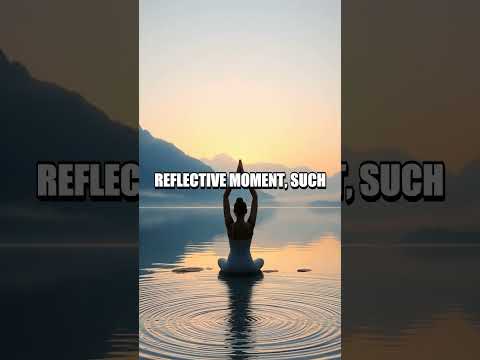
You know when life feels like it’s just spinning out of control? Yeah, we’ve all been there. Stress can creep in and take over like an unwelcome guest at a party.
But here’s the cool thing: you have a secret weapon right inside you. It’s called diaphragmatic breathing, and it’s not just some fancy term to impress people. It’s something super simple that can help calm your mind and bring you back to center.
Imagine feeling more grounded, less anxious, just by tapping into your breath. Sounds pretty great, huh? In this little chat, we’ll explore how this technique can be your go-to for mental wellness. Let’s breathe our way to a bit more peace!
Unlocking Calm: Discover the Psychological Benefits of Diaphragmatic Breathing
So, breathing might seem pretty basic, right? But hold on a second. Have you ever noticed how your breath can really change your mood or even help you chill out when life gets a bit overwhelming? That’s where diaphragmatic breathing comes in. It’s more than just a fancy term; it’s like a secret tool for managing stress and finding your calm.
You know when you’re anxious, and your breath feels all short and shallow? That’s not good. Diaphragmatic breathing, on the other hand, means you’re using your diaphragm—the big muscle under your lungs—effectively. Instead of just filling the top part of your chest with air, you’re getting that nice deep breath that fills up your whole belly. It’s like giving yourself a big hug from the inside!
Here are some of the cool psychological benefits of this kind of breathing:
- Reduces Stress: When you take deep breaths, it activates your parasympathetic nervous system. This is basically the «chill out» system in your body that helps calm things down.
- Lowers Anxiety: Engaging in diaphragmatic breathing can seriously help lower feelings of anxiety. It’s like hitting the reset button on your brain.
- Improves Focus: Ever get so stressed that you can’t think straight? Deep breaths can help clear away that mental fog and sharpen your focus.
- Enhances Emotional Regulation: When you practice this kind of breathing regularly, you’re training yourself to handle strong emotions better. It’s like becoming emotionally fit!
Let me share a little story here: A friend of mine started feeling overwhelmed at work all the time. Stress was piling up with deadlines and meetings—just too much! She stumbled upon diaphragmatic breathing through a yoga class. After practicing for just five minutes before her shifts, she noticed she felt way more relaxed and ready to tackle challenges instead of feeling swamped by them.
The beauty of diaphragmatic breathing is how easy it is to incorporate into your life. You don’t need special equipment or a lot of time to give it a shot! Just find a comfy spot, sit or lie down, and start focusing on taking long, slow breaths in through your nose and out through your mouth.
And if you’re wondering about how to do it correctly—here’s a simple way: place one hand on your chest and another on your belly. You want that belly hand to rise as you breathe in deeply while keeping the chest fairly still. This way, you’ll notice when you’re doing it right!
Incorporating this technique regularly can make such a difference in how you feel day-to-day. Seriously! It’s like giving yourself an emotional toolbox filled with calming vibes whenever life gets chaotic.
So next time you’re feeling frazzled or just need to unwind after a hectic day, try some diaphragmatic breathing! Who knows? It might just unlock that calm you’ve been searching for!
Unlock Mental Wellness: The Power of Diaphragmatic Breathing Exercises
Okay, let’s talk about diaphragmatic breathing and how it can really make a difference in your mental wellness. You know, often we breathe without thinking about it, right? But when you take a moment to focus on how you breathe, it’s like flipping a switch for your body and mind.
Basically, diaphragmatic breathing is all about using your diaphragm effectively. The diaphragm is this cool muscle sitting just below your lungs. When you breathe deeply into your belly instead of just your chest, you’re giving yourself much more air and relaxing your nervous system. Feels good already, doesn’t it?
Here’s a quick rundown on why this matters:
- Reduces stress: Engaging in deep breathing can lower your heart rate and blood pressure—seriously calming stuff.
- Improves focus: When you breathe better, you’re sending more oxygen to your brain. More oxygen equals better concentration, which is awesome for tackling those daily tasks.
- Aids emotional regulation: You know those moments when anxiety hits? Diaphragmatic breathing can help ground you and bring back that sense of control.
I remember a buddy of mine who struggled with anxiety before big presentations at work. He would always get super jittery, like his heart was doing cartwheels. I suggested he try some diaphragmatic breathing before stepping on stage. After a few deep breaths in through the nose and out through the mouth, he felt lighter! It didn’t erase the nerves completely but helped him channel that energy into something more productive.
How do you actually do this? It’s pretty simple!
- Find a comfy spot: Sit or lie down somewhere nice and quiet.
- Palm to stomach: Place one hand on your chest and the other on your belly. This way, you can feel what happens as you breathe.
- Breathe in: Inhale slowly through your nose for about four counts (1…2…3…4). Feel that belly rise! That’s what we want.
- Breathe out: Exhale through pursed lips (like blowing out candles) for six counts (1…2…3…4…5…6). Let that tension flow away!
This whole process doesn’t take long—just a few minutes—and if you practice regularly, it can really add up over time! Like working out for the mind, so to speak.
The thing is: Mental wellness isn’t just about therapy or meds. It also includes these little everyday practices that stack up to make life feel calmer and more balanced. Diaphragmatic breathing might seem small but it packs quite a punch in managing stress and anxiety levels.
The power of breath can’t be overstated here; it’s something we all have access to anytime we want! So go ahead and give those deep breaths a try—you might just find them soothing as heck after a long day!
Unlock the Power of Diaphragmatic Breathing: Discover Key Benefits for Mental Health and Wellness
Sure, let’s chat about diaphragmatic breathing! It’s one of those simple things that might seem a bit goofy at first, but it really packs a punch when it comes to mental health and wellness. You know what I mean?
So, what is diaphragmatic breathing anyway? Well, it’s basically breathing deeply using your diaphragm instead of just your chest. This technique helps you get more oxygen in and can really chill you out. When you’re stressed or anxious, your breath tends to be shallow. Think about it: when you’re nervous, do you take deep breaths? Usually not!
Here are some key benefits of diaphragmatic breathing:
- Reduces Stress: When you breathe deeply, it sends a message to your brain that it’s time to relax. Imagine walking into a calm space after a long day; that’s what this type of breathing can do for your mind.
- Improves Focus: Ever feel scatterbrained or overwhelmed? Deep breathing can help clear the fog. It’s like hitting the refresh button on your brain.
- Enhances Emotional Resilience: Regular diaphragmatic breathing can help you manage emotions better. Think of it as building a muscle; the more you practice, the stronger you get at handling life’s ups and downs.
- Promotes Better Sleep: If you’ve ever tossed and turned all night with racing thoughts, deep breathing can help calm those racing thoughts down and guide you into dreamland.
- Lowers Blood Pressure: The relaxation response from deep breathing can decrease heart rate and ultimately lower blood pressure—bonus points for your overall health!
Okay, here’s an example to make it all feel more real: Picture this—you’re at work and suddenly hit with a wave of anxiety over an upcoming presentation. Your heart’s racing, palms are sweaty (totally normal!), but instead of spiraling into panic mode, you remember diaphragmatic breathing.
You close your eyes for just a minute (if possible) and place one hand on your belly and another on your chest. As you inhale through your nose deeply (like you’re smelling fresh cookies), you feel your stomach rise while keeping that hand on your chest pretty still. Then slowly exhale through pursed lips like you’re blowing out birthday candles. Do this for five minutes, and soon enough—voilà—you might just find that wave has calmed down.
Incorporating this technique into daily life doesn’t have to be complicated either! Just set aside 5-10 minutes each day or try it any time stress creeps in—whether sitting in traffic or waiting in line at the grocery store.
Remember, though: practice makes perfect! The more you do it, the easier it’ll become to access that calm space within yourself when life throws its inevitable curveballs.
So yeah, give diaphragmatic breathing a shot if you’re looking for that extra boost in managing stress or enhancing overall well-being! It’s like carrying around a little toolbox in your mind—ready whenever you need it!
You know, sometimes life just feels overwhelming, right? Like when you’ve got a million things bouncing around in your head, and it’s all too much. I remember one time sitting in my car after a long day, feeling this weight in my chest. My mind was racing with worries about work and relationships. Then someone told me about diaphragmatic breathing – like the secret weapon for calming your brain.
So, let’s break it down a bit. Diaphragmatic breathing is all about using your diaphragm while you breathe deeply. This means you’re filling up your lungs fully instead of taking those shallow breaths that barely seem to touch the sides. When you do this, it’s like sending a little signal to your brain: “Hey! It’s cool down here! We’re safe!”
Here’s how it goes: You take a deep breath in through your nose, making sure your belly expands rather than just puffing out your chest. Hold it for a second, then slowly exhale through your mouth like you’re blowing out birthday candles. Sounds simple enough, right? But trust me; it can really change the game.
What happens is that this kind of breathing activates your body’s relaxation response. You know that fight-or-flight feeling? Well, diaphragmatic breathing kinda flips the switch back to chill mode. I mean, who wouldn’t want that?
I’ve tried it during some pretty anxiety-filled moments—like before public speaking or during stressful family dinners—and honestly, it’s helped ground me each time. Instead of feeling like I’m spiraling into chaos inside my head, I find this little pocket of calmness tucked away just by focusing on my breath.
It’s wild how something as basic as breathing can have such a profound effect on our mental wellness. It makes sense when you think about it; we often forget to breathe properly when we’re stressed or anxious! So next time you feel that pressure building up inside you or life’s just throwing curveballs left and right, give diaphragmatic breathing a shot.
Not saying it’ll solve everything—life’s messy and complicated—but if you can find those moments to reconnect with yourself through deep breaths? That could be the start of something way more peaceful within you. And who doesn’t want more peace in their life?