You know that feeling when you’re carrying the weight of the world on your shoulders? Yup, that’s what I’m talking about.
Sometimes, our emotions get stuck, like a song on repeat. And honestly, it can feel exhausting.
But here’s the thing—what if I told you there’s a way to let all that go? Seriously.
Enter diaphragmatic release. It might sound fancy, but it’s really just a tool to help you breathe easier—literally and emotionally.
So grab a cozy spot, and let’s chat about how this technique can lighten your load and boost your emotional vibes!
Exploring the Spiritual Significance of a Tight Diaphragm: What It Means for Your Mental Well-Being
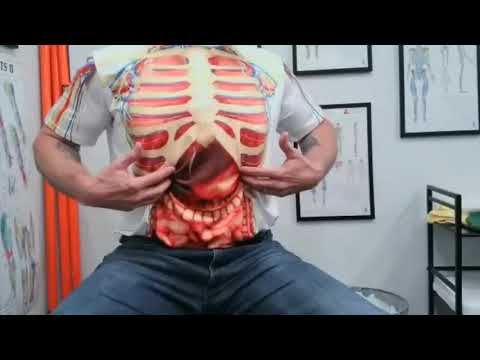
So, let’s talk about something you might not think about every day: your diaphragm. It’s that muscle right under your rib cage that helps you breathe. But did you know that a tight diaphragm can actually have a spiritual aspect? Yeah, it’s kind of wild.
When your diaphragm is tight, it can be like a physical representation of what’s going on emotionally. This muscle is closely linked to your mental state, and tightening it often reflects stress, anxiety, or even unresolved emotional issues. Can you remember a time when you felt anxious and suddenly found it hard to catch your breath? That feeling isn’t just in your head.
Here’s the thing: what happens in our bodies often mirrors what’s happening in our minds. A tight diaphragm can symbolize feeling trapped or overwhelmed. Think about someone who’s been through a tough breakup—those feelings of sadness or loss can create tension in the body. It’s like there’s this connection between emotional well-being and physical sensations that we can’t ignore.
- Breathing and Release: When we learn to control our breathing, especially with techniques like diaphragmatic release, it opens up pathways for emotional healing. Deep breaths can release built-up tension, allowing emotions to flow freely again.
- Mindfulness: Practicing mindfulness helps us tune into how our bodies feel. Being aware of how your diaphragm feels while you’re stressed can lead to important realizations about what’s going on inside.
- Spiritual Connection: Some believe that spiritual practices like yoga or meditation focus on diaphragm relaxation as a way to enhance mental clarity and peace. It’s like you’re not just breathing life into your body but also into your spirit.
I remember sitting through an intense yoga class once; my instructor kept emphasizing deep belly breaths. At first, I thought it was silly—like how could breathing help anything? But when I actually focused on taking those deep breaths from my diaphragm instead of just shallow ones, I felt this huge weight lift off my chest.
This brings me back to the idea of emotional release. Practicing diaphragmatic breathing doesn’t just help with anxiety; it’s like a gentle push toward confronting whatever might be holding you back emotionally. Think of crying after holding everything inside—you might feel drained but lighter afterward.
The reality is: a tight diaphragm does more than affect how well you breathe; it interacts with **your entire emotional landscape**. Whether you’re feeling angry, sad, or even joyfully overwhelmed—understanding this connection might just lead you on a path toward better mental well-being and spiritual growth.
If you’re curious about exploring this further, try out some diaphragmatic exercises or maybe even join a class focused on breath work and mindfulness. You never know where that journey could take you!
Unlocking Relaxation: Effective Techniques to Release Stress from Your Diaphragm
When it comes to relaxation, a lot of us tend to overlook one of the most important muscles involved: the diaphragm. Seriously, this little guy is a big deal when it comes to stress. It basically controls your breath and can get really tight when you’re stressed out. So, let’s talk about some techniques you can use to release that tension and promote emotional well-being.
First off, let’s break down what happens when your diaphragm tightens. Think of it like pulling on a rubber band. When you’re anxious or stressed, that band gets pulled tighter and tighter. You might start feeling chest pressure or struggle with deep breaths. This cycle can seriously mess with your emotions, leading to feelings of panic or overwhelm.
One effective technique for diaphragmatic release is *deep breathing*. It’s simple but super powerful. You want to find a comfy spot—maybe lying down or sitting in a chair—and inhale deeply through your nose for a count of four. Hold it for four counts as well, then exhale slowly through your mouth for six counts. Doing this regularly can help loosen up that diaphragm, letting go of stress you didn’t even realize was there.
Another method is *progressive muscle relaxation*. Focus on tensing and then relaxing different muscle groups in your body systematically, starting from your toes and moving up to your head (or vice versa). When you get to the area around your diaphragm—your chest and abdomen—really tune into how you’re feeling. Tightens? Relax it! This practice not only releases physical tension but helps cultivate awareness of where you hold stress.
You could also try *gentle yoga* or even just stretching at home with deep breaths integrated into the movements. Cat-Cow stretch is a good one for this! It encourages mobility in your spine while allowing deeper breaths that engage the diaphragm fully. Honestly, there’s something about gentle movement paired with breath that communicates directly with those tight muscles.
Lastly, don’t underestimate the power of simply acknowledging how you feel. Sometimes just naming the emotion can cause an immediate wave of relief! You might say something like “I’m feeling stressed” aloud or write it down in a journal while taking deep breaths at the same time. This acknowledges what’s happening, making space for relaxation rather than ignoring those feelings.
Remember: releasing tension in your diaphragm isn’t just about physical relaxation; it’s tied closely to emotional well-being too! The next time you’re feeling overwhelmed, give these techniques a shot—you might be surprised by how much lighter you feel afterward!
Unlocking Calm: The Powerful Benefits of Diaphragmatic Breathing for Mental Health
Let’s chat about diaphragmatic breathing, which is a fancy term for deep belly breathing. Okay, so you might be thinking, “Why should I care about how I breathe?” Well, here’s the thing: this simple technique can really help you chill out and improve your mental health.
When you’re feeling stressed or anxious, your body tends to go into fight-or-flight mode. It’s like your brain thinks there’s a bear chasing you! But diaphragmatic breathing flips that script. Instead of getting all wound up, it sends signals to your brain that say, “Hey, it’s cool. We’re safe.”
So what happens? You take slow, deep breaths through your nose, letting your belly expand instead of just puffing out your chest. This actually draws more oxygen into your lungs and helps calm your nervous system down.
Here are some key benefits of this technique:
- Reduces stress: Breathing deeply activates the parasympathetic nervous system, which decreases stress hormones.
- Improves focus: When you breathe deeply, it helps clear your mind and boosts concentration.
- Enhances emotional regulation: Learning to control your breath can give you better control over how you feel.
- Promotes relaxation: It can lower heart rate and blood pressure—think of it like hitting the reset button for your body.
Let me share a quick story about my friend Jenna. She used to get super anxious before giving presentations at work. Seriously, she’d sweat like she was running a marathon! One day, she stumbled upon diaphragmatic breathing exercises online. She started practicing before her big meetings. You know what? It didn’t magically make her nerves disappear completely, but it made them way more manageable. Just a few deep breaths before speaking helped ground her in the moment.
Now here’s something cool: diaphragmatic breathing is not just for when you’re feeling stressed out. Regular practice can actually help train your body to respond more effectively over time. So even when life throws curveballs at you—like unexpected deadlines or family drama—you might find yourself handling things with a bit more ease.
Want to give it a try? Here’s a simple way to do it:
1. Find a comfy spot—sit or lie down.
2. Place one hand on your chest and the other on your belly.
3. Inhale deeply through your nose for about 4 seconds; focus on pushing that belly out.
4. Hold that breath for just a second.
5. Exhale slowly through pursed lips for around 6 seconds—try emptying all the air from those lungs!
6. Repeat this cycle several times.
So yeah, while diaphragmatic breathing sounds simple (and honestly kinda basic), its power lies in its accessibility and effectiveness for tackling everyday stressors and enhancing emotional well-being.
If you’ve been feeling overwhelmed lately—or even just sort of blah—give this technique a shot! Who knew something as ordinary as breathing could pack such a punch in improving mental health?
You know, it’s funny how we often carry so much tension in our bodies without even realizing it. I mean, think about the last time you felt stressed. That tightness in your chest or your stomach? Yeah, that’s probably your diaphragm shouting for some love.
Diaphragmatic release, or just deep belly breathing if we’re keeping it casual, is like hitting the reset button on all that pent-up emotion. I remember a friend of mine who went through a pretty tough breakup. She was always anxious and had this constant knot in her stomach. One day, after a long chat over coffee, I suggested she try some deep breathing exercises. At first, she rolled her eyes—like most people do when they hear about “breathing techniques.” But then she gave it a shot.
When she finally did start focusing on her breath—really filling her belly up with air—it was like watching her slowly unwind. She’d take these deep breaths and let out everything she was holding back. You could almost see the weight lifting off her shoulders! It’s fascinating how such a simple act can make such a big difference.
What happens is that when we breathe deeply and engage our diaphragm fully, we not only increase oxygen flow but also trigger our body’s relaxation response. It’s like giving yourself permission to feel whatever you need to feel and then letting it go. Seriously, if you can connect with your breath and release that tension, you might find tears streaming down your face or maybe even just a peaceful sigh escaping your lips.
That reminds me of another time when my cousin was struggling with anxiety before an important presentation at work. She couldn’t sleep for days leading up to it—and trust me, that panic wasn’t doing her any favors! So one evening before bed, I showed her this diaphragmatic breathing technique I learned ages ago. She looked at me skeptically at first but decided to give it a shot.
The thing is, after just ten minutes of focused breathing? Wow! There was an obvious shift in her vibe—the worries seemed to shrink away for just a moment as she felt grounded again.
Paying attention to your diaphragm might sound all woo-woo at first glance, but honestly? It can be pretty transformative. And whether you’re dealing with stress from work, school, or personal life stuff—you might want to give this little technique some thought next time you’re feeling overwhelmed.
So yeah, if you’re looking for a way to tap into emotional well-being without diving into heavy therapy sessions or popping pills right away? Start with that breath of yours! You might be surprised at what could bubble up—and what could finally release too!