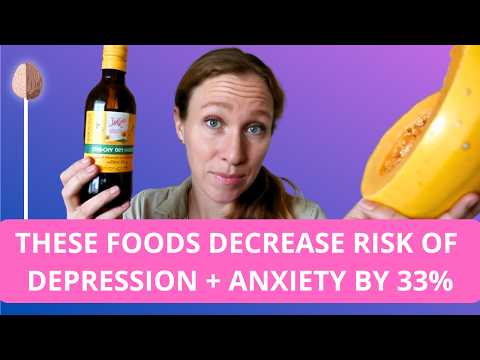
Hey! You know those days when you just can’t seem to shake that funky mood? Maybe you’re feeling a bit down or way too irritable for no good reason.
Well, guess what? It might just have something to do with what’s on your plate. Seriously! The food we eat can mess with our brains in some wild ways.
Ever notice how a sugary snack can give you a quick rush but then crash hard? Or how a hearty meal might leave you feeling cozy and content? Yeah, it’s all connected.
So, let’s chat about how changing up your diet could help smooth out those mood swings and boost your well-being. You might be surprised at how much power you really have over your mood with just a few tweaks in your eating habits.
Exploring the Connection Between Diet and Mood Swings: How Nutrition Influences Emotional Well-Being
You know, when we talk about mood swings, it’s easy to think they’re just all in our heads. But the truth is, what you eat can seriously impact how you feel, like a lot more than you might expect. It’s one of those things that makes sense when you stop and think about it. Your brain needs fuel, and what kind of fuel you give it can have a big effect on your emotional well-being.
So let’s break this down a bit. Our bodies thrive on nutrients, and those nutrients come from food. When you’re munching on fruits, veggies, whole grains, lean proteins—basically healthy stuff—you’re giving your brain the building blocks it needs to function well. But if all you’re eating is junk food or processed snacks? That can lead to some pretty gnarly mood swings.
- Blood Sugar Levels: Ever noticed how your energy dives after a sugary snack? That’s because sugar gives you a quick boost but then leaves you crashing hard. This rollercoaster can make you feel irritable or anxious.
- Nutrient Deficiencies: Low levels of certain nutrients like omega-3 fatty acids or B vitamins are linked to things like depression and anxiety. Foods rich in these nutrients include fish for omega-3s and leafy greens for B vitamins.
- Gut Health: Crazy as it sounds, your gut is sometimes called your «second brain.» A healthy gut microbiome can help regulate mood. Fermented foods like yogurt or kimchi are fantastic for maintaining that balance.
- Inflammation: Some foods can lead to inflammation in the body (think processed foods or excess sugar), which has been linked to depressive symptoms. On the flip side, anti-inflammatory foods like berries and nuts promote better mood stability.
Think about this: someone I know was struggling with anxiety and felt super overwhelmed most days. They decided to clean up their diet—swapping out chips for veggies and sugary drinks for water—and within a few weeks, their mood started leveling out! It sounds simple but small changes can lead to big shifts.
Another thing to consider is meals themselves—when you eat matters too! Skipping meals can mess with your blood sugar levels and leave you feeling cranky or moody later on. Regular meals that balance protein, fats, and carbs keep everything nice and even.
It’s also interesting how caffeine plays into all this too! For some people, that quick coffee fix feels great at first but might plunge them into anxiety later on if they overdo it.
So yeah, nutrition isn’t just about physical health; it’s deeply connected to how we feel emotionally! Making mindful food choices is pretty powerful stuff—not just for our bodies but for our minds as well. Eating right isn’t just something nutritionists talk about; it’s crucial for us all if we want to keep our moods steady!
In a nutshell: If you’re dealing with emotional ups and downs often enough that they’re affecting your life—maybe take a peek at what’s on your plate! Switching things up with healthier options could really make a difference in how you feel day-to-day.
Understanding the 80% Rule: How Mindful Eating Can Transform Your Relationship with Food
Mindful eating is kind of a buzzword these days, but it really can make a difference in how you think about food and your overall mood. The 80% Rule is a core concept here. So basically, it suggests that you stop eating when you’re about 80% full. Pretty simple, right? But let’s break it down and see how this can totally transform your relationship with what you eat.
When you’re mindful about eating, you’re tuning into your body’s signals rather than letting distractions take over. Ever find yourself munching on snacks while binge-watching your favorite show? Yeah, we’ve all been there! This often leads to overeating without even realizing it. That’s where the 80% rule comes in handy. It encourages you to pay attention to those subtle signs that tell you when you’re satisfied but not stuffed.
Now let’s talk feelings. Eating mindfully can help manage mood swings. When you’re paying more attention during meals, you’ll notice which foods make you feel good and which ones might leave you feeling sluggish or moody afterward. You know how some meals just lift your spirits? Like that hearty soup when it’s cold outside? That’s your body talking!
Also, shifting to mindful eating means learning to enjoy each bite instead of rushing through meals like it’s a race against time. Try savoring the flavor of a juicy piece of fruit or the crunch of fresh veggies—notice how their textures and tastes change as you eat them. Well, this helps create a more positive relationship with food because you’re appreciating it instead of just seeing it as fuel.
There’s also the emotional aspect to consider. A lot of people use food for comfort during tough times. But if you’re tuning in and practicing the 80% rule, you’ll start recognizing those habits and can address feelings in other ways—like calling a friend or going for a walk instead of reaching for ice cream every time life gets rough.
But here’s the thing: this isn’t about perfection; it’s more about progress! You don’t have to suddenly change everything overnight or feel guilty for indulging sometimes—that’s normal! It’s okay to treat yourself now and then; just remember moderation is key.
So if you’re thinking about trying out mindful eating and the 80% rule, consider these points:
- Listen to your body: Ask yourself if you’re really hungry or just bored.
- Slow down: Make mealtime less rushed—talk with friends or family while eating.
- Savor every bite: Focus on flavors and textures; give each chew some love!
- Manage emotions: Recognize when food cravings are tied to feelings rather than hunger.
In short, adopting mindful eating practices like the 80% rule might not solve all your problems overnight, but they could definitely lead to better mood regulation and overall wellbeing over time! Sounds worth trying out, right?
Top Foods to Help Manage Mood Swings: A Guide to Eating for Emotional Balance
Managing mood swings is no small feat, right? And believe it or not, what you eat can play a pretty big role in how you feel. Yeah, it sounds a bit surprising, but your diet can seriously influence your emotional balance. Let’s break it down into some key foods that might help you stabilize those ups and downs.
Complex Carbohydrates are where it all starts. Foods like whole grains—think oatmeal, brown rice, or whole-grain bread—can boost serotonin levels in your brain. This neurotransmitter helps with mood regulation. So, when you feel those swings creeping in, adding some whole grains to your meals might just help smooth things out.
Then we have Omega-3 Fatty Acids. You know those good fats found in fish like salmon and sardines? They’re not just heart-healthy; they also have anti-inflammatory properties that could lessen mood disturbances. If fish isn’t your jam, walnuts or flaxseeds are great plant-based sources of omega-3s.
Let’s not forget about Fruits and Vegetables. Seriously—loading up on these nutrient-packed goodies can do wonders for your mental health. Berries are particularly powerful because they’re loaded with antioxidants that protect against stress and inflammation. Leafy greens like spinach are also packed with vitamins that support brain function.
Another important player is Lean Protein. Chicken, turkey, tofu, or beans—these foods help maintain stable blood sugar levels. When blood sugar dips too low, your mood can too! High-protein snacks like Greek yogurt or hummus can keep energy levels steady throughout the day.
Now let’s talk about Fermented Foods. Yep, things like yogurt and sauerkraut contain probiotics that support gut health—and guess what? A healthy gut has been linked to better mood regulation! So adding these to your diet might give you a nice emotional boost.
Don’t overlook Nuts and Seeds, either. Almonds and sunflower seeds are rich in magnesium—a mineral often tied to anxiety reduction. Just a handful as a snack can help keep those pesky mood swings at bay.
And finally, we have Dark Chocolate. It’s not just tasty; it can actually promote the release of endorphins—the “feel good” hormones! Just go easy on it; moderation is key!
So yeah, putting thought into what you eat could really change how you feel day-to-day. It may take time to see changes or figure out what works best for you personally—but giving attention to your diet could be one piece of the puzzle when tackling mood swings head-on!
You know, diet changes can be a game changer for your mood and general well-being. Seriously, what you eat affects not just your body but also your mind. It’s wild how those little bites can create a ripple effect in your emotions.
I had a friend once who, like, always felt moody and sluggish. She decided on a whim to cut out sugar for a month. At first, it was tough—she was kind of cranky without her usual snacks. But then, something shifted. She started feeling lighter, more energetic. Her mood? Way better! It’s like she woke up from a fog.
Now, let’s talk about the science behind it, not that I wanna go too deep into the whole nerdy stuff here! Basically, foods high in sugar can lead to these crazy spikes and drops in blood sugar levels. You get that rush of energy followed by an inevitable crash—and boom! Mood swings galore! On the flip side, wholesome stuff like fruits, veggies, and whole grains keep your blood sugar steady. And guess what? Steady means happy!
And don’t even get me started on those omega-3 fatty acids found in fish or walnuts—those guys are real mood boosters too! There’s research showing they can help reduce symptoms of depression. So if you’re looking to lift your spirits, maybe swapping some chips for nuts is worth considering.
It’s kind of fascinating how interconnected all this is; what fills us affects our mental states significantly. Like when I switched up my breakfast from sugary cereal to oatmeal topped with fruit—I felt full longer and more focused during those morning meetings.
But hey, it’s not one-size-fits-all; what works for you might not work for someone else—everyone’s body chemistry is different. Just keeping an eye on how food influences your feelings can be super enlightening.
So next time you’re munching away, think about how those choices might shape not just your body but your mind too. You might find yourself feeling happier or calmer than before—all thanks to something as simple as what’s on your plate!