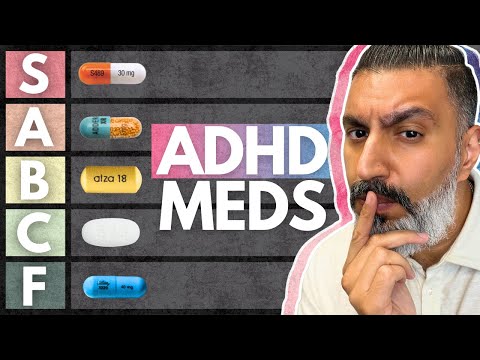
So, let’s chat about ADHD. You know, it seems like so many people are dealing with it nowadays.
It can be a real rollercoaster ride, can’t it? Some days, you feel like a superstar, and other days, just trying to focus feels like climbing Mount Everest.
If you or someone you care about is exploring ADHD meds? Wow, that’s a big step! It can feel overwhelming with all those options out there.
But here’s the thing: finding the right one is super important for getting your groove back. So let’s break it down together.
Top ADHD Medications for Adults Managing Anxiety: A Comprehensive Guide
Alright, so let’s chat about ADHD medications for adults who are also dealing with anxiety. It’s a bit of a tricky combo, right? You’ve got the challenges of ADHD, like trouble focusing and restlessness, but then anxiety just adds another layer on top of it. So, how do you navigate this? Here’s the scoop.
First off, it’s super important to understand that not every medication works the same for everyone. What helps one person might not do jack for another. Doctors typically consider factors like symptoms, personal history, and any other medical issues you might have. So keep that in mind.
Now, when treating ADHD in adults with anxiety, there are different types of medications you might encounter:
- Stimulants: These are often the first line of treatment for ADHD. Common options include Adderall and Ritalin. They can improve focus and reduce impulsivity. But here’s the catch: they can also increase anxiety in some folks.
- Non-stimulants: Medications like Strattera or Intuniv can be helpful. They don’t have the same stimulating effects as those other meds which means they might be easier on your anxiety levels.
- Atypical Antidepressants: Sometimes doctors prescribe these to help tackle both ADHD symptoms and anxiety together. Bupropion, for example, is one that can target both conditions at once.
- Anxiolytics: In some cases—especially if anxiety is pretty intense—doctors might add these in to help ease anxiety symptoms alongside your primary ADHD treatment.
The tricky part? Some people find that stimulants worsen their anxiety while others feel okay on them. It all depends on your individual brain chemistry. Seriously! It’s kind of wild how unique each person’s brain is.
I remember a friend of mine who was all over the place trying to find the right balance between managing his ADHD and staying cool with his anxiety. After trying a few meds, he finally found that sticking with Strattera really helped both sides without making him feel more anxious—a total win!
Your doctor will usually start you off on a low dose and then tweak it until you hit that sweet spot where things click into place without making things worse. That whole “trial and error” process sounds frustrating but take heart; it’s a normal part of finding what works best for you.
If you’re considering medications, always keep an open line of communication with your healthcare provider. They need to know what you’re feeling—good or bad—so they can make adjustments if needed.
The takeaway? Managing ADHD while dealing with anxiety can feel complicated but finding the right medication combination doesn’t have to be impossible! With a little patience and guidance from your doctor, you’ll get there.
Top ADHD Medications for Adults: What Works Best for Managing Symptoms
Managing ADHD as an adult can be a right challenge. You might feel like you’re juggling a bunch of balls, and it can get overwhelming. So, let’s chat about some of the top medications out there to help manage symptoms. Remember, everyone’s different, so finding what works best for you might take a bit of time and patience.
Stimulant Medications are often the first line of treatment. They work by increasing certain brain chemicals that help with attention and focus. Here are a few popular ones:
- Methylphenidate: This includes brands like Ritalin and Concerta. It tends to have a quick effect, often helping people feel more focused within an hour or so.
- Amphetamine-based medications: Think Adderall or Vyvanse. These can be super effective too but might come with some side effects, like increased heart rate or anxiety.
Stimulants generally work well for most folks with ADHD—about 70% to 80% find them helpful. But they aren’t for everyone; some people might experience side effects that just aren’t worth it.
Then we have Non-Stimulant Medications, which can be useful if stimulants aren’t doing the trick or if they’re causing too many side effects:
- Atomoxetine (Strattera): This one’s not a stimulant at all and works differently by impacting norepinephrine levels in the brain.
- Guanfacine (Intuniv): Typically used for high blood pressure, it can help with impulse control and may calm things down a bit.
Non-stimulants usually take longer to kick in—like weeks instead of hours—but they might suit some people better in terms of side effects.
Sometimes, medication on its own isn’t enough. You know how life gets complicated? That’s why therapy can be super beneficial alongside medication! Cognitive Behavioral Therapy (CBT) helps you develop coping strategies for managing your symptoms and understanding your thought patterns better.
If you’re working with a doctor on this journey, communication is key! Be honest about what you’re feeling—side effects or even if the medication isn’t helping as much as you’d hoped. Adjustments might be necessary to find that sweet spot where you’re feeling good.
To wrap things up, finding the right ADHD medication is really personal—it’s about figuring out what works best for your unique brain chemistry. Patience is important; it could take time to find the right fit, but you don’t have to do this alone!
Top ADHD Medications for Adults: Alleviating Anxiety and Depression
When it comes to ADHD in adults, managing the condition can sometimes feel like trying to juggle flaming torches. You’ve got your attention issues, but then there’s also that pesky anxiety and depression lurking in the background. So let’s dig into how ADHD medications can help with those added layers of stress.
ADHD itself is often about things like distractibility and impulsiveness. But when someone’s dealing with anxiety and depression on top of that, it can complicate everything. It’s not uncommon for adults with ADHD to experience mood swings or feelings of being overwhelmed. Balancing all that is tough!
Now, when you think about ADHD medications, the two main types are stimulants and non-stimulants. Stimulants include drugs like **Adderall** and **Ritalin**. They work by increasing levels of certain chemicals in the brain that help with focus and attention. A lot of people find these helpful not just for their ADHD symptoms but also to manage feelings of anxiety. It’s like they create a bit more mental space, you know?
On the flip side, non-stimulant options like **Strattera** can also be effective. They tend to have a lower risk of increasing anxiety for some people because they don’t boost those same chemicals quite as much as stimulants do. It’s all about figuring out what works best for you individually.
Anecdote time! I’ve known someone who struggled with both ADHD and depression—it was rough for them! The constant battle with focus made everyday tasks feel monumental, which only fed into their low mood. Once they found the right mix of medication, which involved a stimulant paired with some therapy for their emotional health, things started looking up—like a fog lifting off a mountain path.
When picking a medication, it’s super important to talk openly with your doc about your symptoms—both ADHD-related and emotional ones too. Do you feel restless? Or maybe you get caught up in negative thoughts? Sharing this stuff will help figure out what treatment plan suits you best.
Also worth noting is that medication isn’t a magic bullet; usually, combining meds with therapy works wonders too. For instance, cognitive-behavioral therapy (CBT) has been shown to be effective in treating both ADHD symptoms and anxiety/depression together.
So if you’re thinking about medication for adult ADHD while managing anxiety or depression, don’t hesitate to reach out for support from health professionals who understand your journey—they’ll be key in helping you navigate through it all!
In short:
- Stimulant medications like Adderall can boost focus and may help alleviate anxiety.
- Non-stimulant medications, such as Strattera, might reduce anxiety risks.
- The right treatment often involves medication combined with therapy.
- Open communication with your healthcare provider is essential.
No two people are exactly alike when it comes to mental health treatments; it really is about finding what clicks for you!
Choosing the right ADHD medication can feel a bit like searching for a needle in a haystack, you know? There are so many options out there, and each person reacts differently. It’s kind of wild when you think about it. When I was helping a friend with ADHD find the right meds, we went through this rollercoaster of trial-and-error.
So here’s the thing: ADHD medications mainly fall into two categories—stimulants and non-stimulants. Stimulants are usually the first line of defense, like Ritalin or Adderall. They can work wonders for some folks but also come with their own baggage—like potential side effects that range from being mildly annoying to seriously concerning. My buddy tried some stimulants at first, and while they did help him focus during his classes, he ended up feeling super jittery and anxious. Not cool.
Then there are non-stimulants like Strattera. They tend to kick in more slowly which can be frustrating but might suit someone who has issues with anxiety or just doesn’t vibe well with stimulants. For my friend, when he switched to a non-stimulant option, it was like flipping a light switch; he felt calmer and more collected without the racing heart.
But finding that “just right” medicine isn’t just about trying stuff out randomly—it’s really about communication with your doctor or therapist. You gotta be open about how you feel on different medications because that feedback is crucial! Like, if something’s not working or making you feel worse than before, that’s important information.
And then there’s dosages to think about. Sometimes starting small is key—like dipping your toes in instead of diving headfirst into the deep end. Adjustments may be needed along the way based on how your body responds and what life throws at you.
Ultimately, it’s kind of an adventure! An emotional one too—some days might feel like you’re making progress while others have you questioning everything. You don’t want to get too discouraged if it takes time; what matters most is finding that sweet spot for what feels right for you.
So yeah, it’s not just about popping pills but rather working towards balancing your needs against those meds’ effects—always bearing in mind that everyone’s journey is unique!