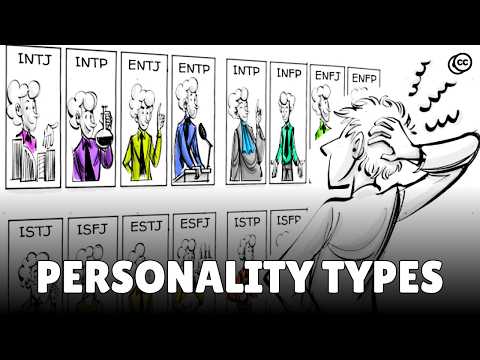
Hey! So, let’s chat about something that might surprise you—MBTI types and mental health. You know, those personality types we often joke about?
Well, they can actually play a pretty big role in how we feel and cope with life. Seriously, it’s wild how knowing if you’re an introvert or extrovert can change the game when it comes to your mental well-being.
Like, imagine feeling overwhelmed in social situations just because you’re wired differently. Or, maybe you find that your decision-making process leaves you feeling anxious or stuck. It’s all connected!
Stick around, and let’s explore how your MBTI type might be influencing those ups and downs in your headspace. You might find some “aha!” moments along the way!
Discover the 4 Personality Types: Unlocking Insights for Better Relationships and Self-Awareness
Understanding personality types can seriously change the way you view yourself and your relationships. The MBTI, or Myers-Briggs Type Indicator, breaks us down into four main categories, each with its own quirks and traits. Let’s dive into these personality types and see how they can help you connect better with others and understand yourself a bit more.
First up, we’ve got the Analysts. This group is made up of thinkers and problem solvers. They love logic and are often drawn to deep conversations about ideas or theories. If you’re an Analyst, you might find it hard to deal with emotional topics because it can feel a bit messy, right? Think of someone like Einstein; he focused on concepts rather than feelings. That said, they can struggle in relationships if they don’t recognize emotions in themselves or others.
Then there are the Diplomats. These folks thrive on harmony and connection. They’re empathetic by nature and often prioritize other people’s feelings above their own. If you’re a Diplomat, you’re likely that friend who always knows when something’s wrong—like when your buddy seems off at a party. This awareness is fantastic for relationships but can be exhausting if you constantly put others first without taking care of yourself.
After that come the Sentinels. They’re all about order and responsibility! Sentinels value stability and tradition; they like routines because they provide structure. Picture someone who finds comfort in knowing exactly what will happen during their week: a clear schedule makes them feel secure! While this reliability is great for building trust with others, it might also cause problems if you resist change too much or find yourself stressed out when things go sideways.
Lastly, we have our Explorers. These types are spontaneous, creative, and adore adventure! They live in the moment—seriously! If you’re an Explorer, you probably jump at any chance for new experiences. This zest for life can inspire others around you but may also lead to chaos if plans change suddenly or if commitments feel stifling.
Okay, so now what does all this mean for mental health? Knowing your personality type—and maybe even those of your closest friends—can help you set boundaries around relationships. For instance, Diplomats might need to practice saying no sometimes instead of always bending over backwards to please others.
Also, emotional intelligence plays a huge role here. If Analysts learn to tap into their feelings more openly or Sentinels allow some flexibility in their routines from time to time, it generally leads to healthier dynamics all around.
So yeah, understanding these four personality types isn’t just some fun trivia; it’s really about improving connections with yourself and those around you. By recognizing these traits—both yours and those of the people in your life—you can create healthier interactions that bring joy instead of stress!
Exploring the Impact of MBTI Types on Mental Health Dynamics and Brain Function
You know, the Myers-Briggs Type Indicator (MBTI) is like this super popular tool that breaks people down into 16 different personality types. It’s based on Carl Jung’s theories about personality and helps folks figure out how they think, feel, and interact with the world. But how does it really connect to mental health dynamics and even brain function? Let’s explore that, shall we?
First off, each MBTI type has its own way of dealing with stress and emotions. For example:
- Introverts often need alone time to recharge after stressful incidents, while extroverts might seek social support.
- Sensors tend to focus on concrete details which can help them manage anxiety in practical ways. On the flip side, Intuitives may get lost in abstract thoughts when feeling overwhelmed.
- Thinkers usually rely on logic and reason when faced with challenges; they might struggle to express their emotions openly. In contrast, Feelers can be more in tune with their feelings but may sometimes wrestle with overly emotional responses.
- Judging types appreciate structure which can give them a sense of control during chaotic times. Meanwhile, Perceiving types are more flexible but can feel stressed by rigid schedules.
This variation in coping styles shapes not only everyday experiences but also impacts your overall mental health. For instance, let’s say you’re an INFP (that’s an Introverted, Intuitive, Feeling, Perceiving type). You might find yourself getting lost in your thoughts during tough times—which could lead to ruminating or feeling stuck emotionally. But if you’re an ESTJ (that’d be Extroverted, Sensing, Thinking, Judging), you may tackle problems head-on with a list of solutions—yet can feel overwhelmed by pressure to perform.
The way your brain functions also plays a role here. Research shows that different MBTI types might have distinct neural patterns. For example:
- Sensors, who focus on present reality, might exhibit more activity in regions related to sensory processing.
- , however, could show greater engagement in areas linked with abstract thinking and creativity.
This neurological wiring influences how you handle stress or make decisions—key elements of mental health! So yeah, understanding your MBTI type could shed some light on why you react to situations the way you do or even why certain mental health challenges arise.
Anecdotally speaking—I know someone who identifies as an INFJ; during stressful times like exams or deadlines at work, she retreats into her mind. It’s as if she’s built this cozy little world where she processes everything quietly until she’s ready to face reality again. On the other hand, her buddy is a whole different story—a classic ESFP who thrives on social interaction! When stress hits him hard? He rounds up friends for game nights or movie marathons to blow off steam.
Your MBTI type isn’t some magic bullet for understanding all your mental health dynamics—but it definitely offers insights into behavior patterns and coping strategies that can either help or hinder you during tough times.
The takeaway? Recognizing these differences not only fosters self-awareness but also encourages empathy toward others who may react differently than you do under pressure. It’s all part of this complex human experience we share!
Exploring the Different Types of Personality in Psychology: A Comprehensive Guide
Exploring personality types can feel like opening a box of chocolates—you never know what you’re gonna get. In psychology, there’s this cool framework called the Myers-Briggs Type Indicator (MBTI) that helps break down personalities into 16 different types. You might find it super helpful in understanding yourself or someone else in your life.
So, the MBTI categorizes folks based on four main dichotomies:
- Extraversion (E) vs. Introversion (I): This describes where you draw your energy from. Extraverts recharge with social interactions, while introverts find their energy in solitude.
- Sensing (S) vs. Intuition (N): This reflects how you take in information. Sensing folks focus on concrete details, whereas intuitive types are more about patterns and possibilities.
- Thinking (T) vs. Feeling (F): This relates to how you make decisions. Thinkers prioritize logic and objectivity, while feelers lean towards values and emotions.
- Judging (J) vs. Perceiving (P): Judgers prefer structure and clear plans, while perceivers tend to be more spontaneous and flexible with their approach.
Once you combine these preferences, you get one of the 16 personality types—like ISTJ or ENFP—and each type can influence how someone deals with mental health challenges.
Let’s talk about how some of these types might experience mental health differently. For instance:
- An INTJ might tend to overthink situations, leading to anxiety about future outcomes because they value their plans so highly.
- An ESFP, on the other hand, could struggle with staying grounded when faced with emotional stress, often seeking distractions or excitement instead of dealing directly with feelings.
- If you’re an INFP, you may feel deeply but withdraw when overwhelmed by emotions, potentially leading to isolation during tough times.
- Conversely, an ESTJ, who thrives on order and control, might become stressed when things don’t go as planned—possibly resulting in frustration or burnout if they can’t adapt quickly.
It’s like being handed different tools for coping with life’s ups and downs. Some personality types naturally gravitate toward healthy coping mechanisms; others might need a little nudge to find what works best for them.
You know that feeling when you’re just stuck in your head? Sometimes it’s hard to see a way out! Each type brings its quirks into therapy too; for example:
- An ISFJ may thrive better in therapy if it feels safe and supportive—comfort is key!
- An ENTP might enjoy exploring new ideas and strategies but could struggle if sessions feel too rigid or structured.
Therapists often consider these personality traits when coming up with a game plan tailored just for you.
Now here’s something personal: I once met someone who identified as an INFJ—and they really felt weighed down by everyone else’s emotions during stressful times. They cared deeply for their friends’ problems but often forgot to care for themselves! It took some time—but they learned that setting boundaries was okay too.
So yeah, it’s crucial to remember that knowing your MBTI type isn’t just about fun quizzes—it can totally shed light on mental health dynamics and help craft stronger coping strategies! Whether you’re an intuitive dreamer or a practical realist, understanding yourself better is always a good move for your mental well-being.
So, let’s chat about those MBTI types, you know? You got the whole 16 personalities thing happening, which can be pretty intriguing when it comes to understanding ourselves and others. I mean, it’s like this personality puzzle that can shed light on how we think, feel, and interact with the world around us.
I’ve had friends who totally swear by their MBTI types. One time, my buddy Sarah—a classic INFJ—confided in me that she often feels overwhelmed in social situations. She explained it as if she’s absorbing everyone’s emotions like a sponge. This really shaped how she approaches her mental health. Knowing her type helped her find ways to recharge alone after a long day of socializing.
The thing is, while MBTI gives you this handy lens to look through, it’s not all-encompassing. Like sure, being an INTJ might mean you’re super strategic and like to have plans in place. But life throws curveballs at all of us—stress from work or personal issues can hit even the most organized individuals hard. Some people might assume that just because you’re a P (Perceiving) type, you’re laid-back and easygoing. But honestly? Even P types can struggle with anxiety.
And there’s the whole issue of people getting boxed in by their MBTI labels. Just because you’re an ESFP doesn’t mean you’re always going to be the life of the party; there are days when even extroverts want to just chill out on their couch with a Netflix binge-fest!
It’s also worth mentioning how different types can influence our coping styles during tough times. For instance, someone who identifies as a Thinking type might approach issues more logically than someone who leans towards Feeling—who may process things through emotional lenses first.
You see? It’s all interconnected! These personality styles interact with our mental health dynamics in really cool ways but also tricky ones too. If we grasp our tendencies based on these types, that could lead to more meaningful self-development and better relationships with others.
In short? While those four letters can unlock some insights into who we are at our core, they’re just one piece of a much larger puzzle when it comes to mental wellness and emotional experiences. It’s valuable but not definitive; think of it as part of your toolkit rather than the entire toolbox! So stay curious about your mental health journey; there is always more than meets the eye!