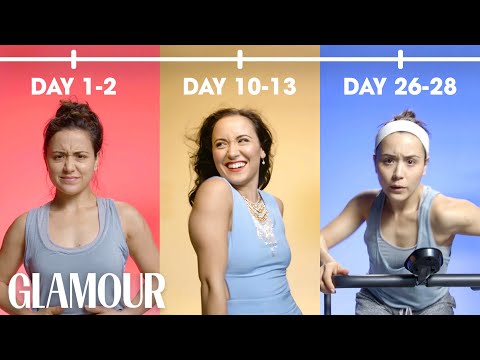
So, let’s talk about something that, honestly, we don’t chat about enough: moods and emotions during the menstrual cycle. It’s wild how our feelings can flip like a switch, right? One minute you’re feeling on top of the world, and the next, it’s like you’re stuck in a fog.
Ever notice how some days you want to laugh at everything, while others just make you want to curl up in a blanket with pizza? Seriously. You’re not alone! Our hormones are doing this crazy dance that affects how we feel every single month.
And it’s not just about cramps or cravings. There’s this whole emotional rollercoaster behind it all. Let’s dig into why that happens and how we can ride those waves a little better!
Understanding Menstrual Cycle Mood Swings: A Comprehensive Chart and Guide
Moods and emotions can really take a rollercoaster ride throughout the menstrual cycle. Seriously, if you’ve ever felt like you’re on an emotional high one week and then down in the dumps the next, you’re definitely not alone. The thing is, your hormonal shifts during this time play a huge role in how you feel. Let’s break it down!
The average menstrual cycle lasts about **28 days**, although it can be shorter or longer for some people. Throughout this cycle, hormones like estrogen and progesterone fluctuate, which influences mood and emotions.
Day 1 to 5: Menstrual Phase
When your period starts, levels of **estrogen** and **progesterone** drop. You might feel pretty low energy or irritable. Some people even experience mood swings or sadness during this time. It’s that whole “I need chocolate now!” vibe mixed with a bit of cramps.
Day 6 to 14: Follicular Phase
As your period ends, estrogen starts to rise again. This is when many people feel more energetic and positive—hello, good vibes! You might notice you’re feeling more social or motivated to tackle that project you’ve been putting off.
Day 15 to 17: Ovulation
Around ovulation, which usually happens around day 14 or so, your estrogen peaks. This can lead to feelings of excitement or confidence! It’s like your body is saying, “Hey! Let’s go out and have some fun!” But some people might also feel a bit anxious due to hormonal fluctuations—totally normal.
Day 18 to 28: Luteal Phase
This phase can get tricky because progesterone rises after ovulation. For a lot of folks, this is where those pesky mood swings may return. You could go from feeling fine one moment to bursting into tears over a sad movie the next—no judgment here! Some common feelings during this phase include irritability, anxiety, or even some cravings for comfort food (hey there ice cream!).
So what does all this mean? Well,
- The combination of hormonal changes affects neurotransmitters like serotonin.
- This can lead to physical symptoms such as fatigue or headaches alongside emotional ones.
- Your environment—stressful situations at work or home—can amplify these feelings too.
Managing these mood swings isn’t always easy. But understanding where you are in your cycle can help you prepare for how you’re feeling emotionally. Remember those ups and downs? Keeping track could be beneficial—you know? Journaling about your moods could reveal patterns over time.
Talking with someone—a pal, family member, or even a therapist—can help too if things feel overwhelming at any point in the month.
In short? Menstrual cycle mood swings are totally influenced by hormonal shifts throughout the month and are quite common! Understanding them better might make it easier for you navigate those emotional waves with grace—even when they hit unexpectedly!
Understanding the 4 Phases of the Menstrual Cycle and Their Impact on Your Emotions
Let’s talk about the menstrual cycle and how it can really shake up your emotions. The thing is, your body goes through a lot in just one cycle, and these changes can influence how you feel day to day. There are four main phases in the menstrual cycle, and each one brings its own emotional vibe.
1. Menstrual Phase
This is when your period starts, usually lasting about 3 to 7 days. It’s a time for shedding the uterine lining. You might feel tired, low energy, or even a bit cranky. You may find yourself needing some extra chill time or feeling more sensitive than usual. Seriously, don’t be hard on yourself if you need that cozy blanket and a good movie to get through it.
2. Follicular Phase
After your period wraps up, the follicular phase kicks in. This phase lasts around 7 to 10 days and is all about rebuilding that uterine lining while your pituitary gland releases hormones that help follicles in your ovaries grow. Your energy levels might start to pick up here! You could feel more upbeat and social—like wanting to hang out with friends or tackle that to-do list you’ve been avoiding.
3. Ovulation Phase
Next up is ovulation, which usually happens around the middle of your cycle (about day 14). This phase is short but significant, lasting about 24 hours when you actually release an egg. Estrogen peaks here, so many people feel pretty great—think confidence and social warmth! Emotions tend to be high too; you might feel flirty or just more connected with others.
4. Luteal Phase
After ovulation comes the luteal phase, lasting around 10 to 14 days until your period starts again. Hormones start fluctuating again as they prepare for whether or not you’re pregnant; if not, they drop sharply before menstruation begins again. This can lead to mood swings—feelings of irritability or sadness might creep in as PMS symptoms appear for many people during this time.
So there you have it! Each phase comes with its emotional rollercoaster packed with ups and downs shaped by hormone changes throughout the month—it’s totally normal! Listening to what your body needs during each of these phases can help you navigate those feelings along the way.
Remember, every person’s experience is unique; some might feel these shifts more intensely than others. If you’re ever feeling overwhelmed by these emotions or if they interfere with daily life, chatting with someone—a friend or a therapist—can be really helpful too!
Understanding Your Menstrual Cycle Moods: A Day-by-Day Guide to Emotional Changes
Understanding your menstrual cycle moods can feel like a rollercoaster ride. One minute you’re on top of the world, and the next it feels like you’re stuck in a funk. Your hormones, seriously, play a huge role in how you feel throughout this cycle. Let’s break this down day-by-day so you can get a better sense of what’s going on with your emotions.
Days 1-5: Menstrual Phase
This is when your period happens. You might feel tired or have cramps, which is pretty common. Emotionally, it’s normal to feel low energy or even a bit moody. Some people get super introspective during this time and want to curl up with a book—and that’s totally okay! Just know that those feelings are part of the process.
Days 6-14: Follicular Phase
Once your period ends, things start looking up! Your body begins to produce more estrogen. You’re likely to feel more energetic and maybe even optimistic. Suddenly, social activities and getting out there seem appealing again! Seriously, it’s like flipping a switch from ‘meh’ to ‘let’s do this!’
Days 15-17: Ovulation
Boom! Estrogen peaks right before ovulation. You might feel pretty amazing here—confident, social, and maybe even a bit flirty! It’s like the world is brighter and everything feels possible. But don’t be surprised if there’s an emotional drop after ovulation.
Days 18-28: Luteal Phase
After ovulation, things can get tricky. Hormones start shifting again as progesterone rises. Some folks experience PMS symptoms—things like irritability or mood swings may pop up during this time. You might find yourself feeling more sensitive or easily frustrated for no reason at all.
- Week 3: Expect fluctuations between feeling calm to suddenly angry over minor things.
- The week before your period: Anxiety may kick in too; stress levels can rise.
- Your libido could also dip here; it’s all about those hormonal changes!
So what does this all mean? Well, emotional ups and downs are completely normal during your cycle. It’s not just «you» being moody—there’s real biology at play here! Keeping track of how you feel each day can really help you understand your patterns better.
Keeping it in mind that everyone’s body is different helps too—some people barely notice these shifts while others ride the wave hard core! Lastly, if emotions ever become overwhelming or interfere with daily life? Talking to someone—a friend or mental health professional—can really make a difference.
Your menstrual cycle isn’t just about physical changes; it’s also a journey through an emotional landscape that’s totally valid and real. So let yourself experience those feelings without judgment; it’s part of being human!
Okay, so let’s talk about moods and emotions during the menstrual cycle. This topic can sometimes feel like a huge mystery, right? One minute you’re feeling on top of the world, and then, bam! You’re in the pits of despair, or even just really irritable.
When I was younger, I remember my friend Jess. She’d be all smiles one day and then bursting into tears over a sad movie the next. It was confusing for her—and for everyone around her too! She would joke about how she was basically a soap opera character with all those mood swings. But it wasn’t funny when she felt like she couldn’t control it.
So what’s going on there? Well, it turns out our hormones are like tiny DJs spinning emotional tracks throughout the month. During the first half of your cycle (the follicular phase), estrogen levels rise, and you often feel more energetic and optimistic. It’s that preovulation high where everything feels possible—like you could conquer the world!
Then comes ovulation, which is kind of like this party peak. You might feel confident and flirty—bringing your A-game in social situations or at work. Seriously, it can be an empowering time! But after that? Things switch up as progesterone kicks in during the luteal phase.
That’s when moodiness can really set in—some people might experience PMS (you know what I’m talking about). You could feel anxious or touchy; sometimes even little things can send you over the edge. And yeah, it can make you feel like you’re on this emotional rollercoaster that just won’t stop.
There’s also something to say about how societal views play into all this. People often brush off those feelings as “just hormonal,” which can make anyone feel invalidated or even ashamed about their experiences. Just because there might be a biological basis doesn’t mean those feelings aren’t real or valid.
And here’s a thought: maybe embracing these changes instead of resisting them could help? Like acknowledging that some days will be tougher than others and cutting ourselves some slack when we feel off-kilter. Instead of pushing through with a smile when we don’t feel it inside, giving ourselves permission to ride those waves could bring some clarity.
In short, moods and emotions during your menstrual cycle are real—and they matter. So if you find yourself crying over spilled milk—or a heartfelt song—you’re definitely not alone in this journey! Emotions are part of being human; learning to navigate them is just another step along the way.