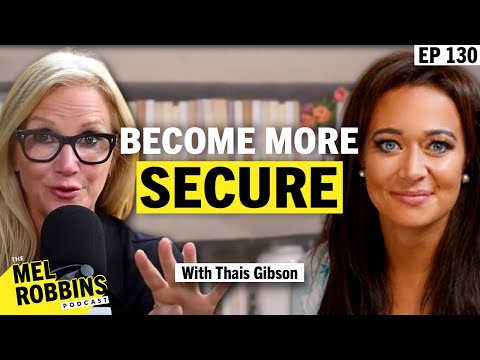
You know, relationships can be super complicated. Like, one minute, you’re feeling all warm and fuzzy. And the next? Total confusion city!
Ever thought about why we connect with people the way we do? It turns out, it’s not just magic. It’s all about something called attachment styles.
These styles shape how we love, argue, and stay close—or push away. It’s wild to realize that your childhood experiences might still be shaping your adult relationships.
So, whether you’re in a long-term thing or just swiping right on dating apps, understanding these styles can really help. Let’s break it down together!
Understanding Relationship Attachment Styles: Key Examples and Insights from Psychology
Understanding relationship attachment styles is like opening up a window into how you connect with others. Basically, your attachment style shapes the way you form bonds and respond to intimacy. There are four main styles: secure, anxious, avoidant, and disorganized. Let’s break them down a bit.
Secure Attachment: People with this style generally feel comfortable with closeness and intimacy. They trust their partners and communicate well. Imagine someone who easily expresses feelings and knows how to support their partner through ups and downs. That’s a secure attachment in action.
Anxious Attachment: Those with anxious attachment often worry about their relationships. They might crave closeness but also fear rejection or abandonment. Picture someone who constantly seeks reassurance from their partner or gets upset if texts aren’t answered quickly—yeah, that’s an anxious attachment at work.
Avoidant Attachment: This style is all about keeping a distance emotionally. Avoidant folks value independence to the point of avoiding intimacy altogether. They might feel overwhelmed by too much closeness, like if they’ve been pulled into a deep conversation when they just want to chill out instead.
Disorganized Attachment: This one can be pretty complex, mixing aspects of both anxiety and avoidance. People with disorganized attachment might feel confused about their feelings or behave inconsistently in relationships. Like, one minute they’re super affectionate, and the next they’re pulling away completely.
So what causes these different styles? Well, it often stems from early childhood experiences with caregivers—how they were treated can influence how they interact in adult relationships.
For instance, if you grow up with parents who were consistently available and attuned to your needs, chances are you’ll develop a secure attachment style yourself. On the flip side, if caregivers were neglectful or unpredictable, that could lead to anxious or avoidant styles later on.
Recognizing your own attachment style—and that of your partner—can majorly impact relationship dynamics! If you realize you’re anxiously checking your phone for texts while your partner’s doing the same thing because of avoidant tendencies—that connection needs some attention!
It’s also important to know that these styles aren’t set in stone; they can evolve over time through experiences and self-awareness. Learning more about yourself can really help you navigate relationships better.
In closing (not really closing but just wrapping this up!), understanding these different attachment styles lets us see where we stand and helps us build healthier connections moving forward. Just remember: we’re all works in progress!
Discover Your Attachment Style: Take the Free Attachment Styles Test Today!
Alright, let’s talk about attachment styles and why they matter in relationships. So, attachment styles are basically how we connect and bond with others, especially in romantic situations. They’re formed early in life based on our experiences with caregivers, and these patterns can totally shape how you relate to people as an adult.
There are four main types of attachment styles: secure, anxious, avoidant, and disorganized. Knowing which one you lean towards can really help you understand your behavior in relationships.
- Secure Attachment: If you’re securely attached, you likely have a healthy perspective on relationships. You feel comfortable with intimacy and are good at balancing closeness with independence. You trust your partner and communicate openly.
- Anxious Attachment: Now, if you’re more on the anxious side, you might find yourself constantly craving closeness. You could worry about your partner’s love for you or fear abandonment. It’s like needing reassurance all the time—does that ring any bells?
- Avoidant Attachment: Then there’s the avoidant type. People here often keep their distance emotionally. They may struggle to get too close or have a hard time expressing feelings. It’s not that they don’t care; it’s just that vulnerability can be really tough for them.
- Disorganized Attachment: This one’s a mix of both anxious and avoidant traits. It usually comes from inconsistent caregiving during childhood, leading to confusion about relationships later on. You might feel scared of getting too close but also crave connection.
You might be wondering how to find out where you fit in all this. Well, there are free tests online that ask about your feelings and behaviors in relationships. These tests aren’t foolproof—they just give you a glimpse into your style based on what you answer.
I remember when I first took one of these tests myself—it was eye-opening! I realized I had some anxious tendencies, always second-guessing if my friends were actually up for hanging out or if they were just being polite when they said yes. Understanding that helped me start addressing those worries more directly.
So once you’ve figured out your attachment style, the next step is applying this knowledge to improve your connections with others. If you’re struggling with anxiety or avoidance, maybe it’s worth considering talking to a therapist about it. Seriously, even just understanding where you’re coming from can make a huge difference.
The thing is—once you know more about yourself and how these patterns play out in real life, it becomes easier to change unhelpful behaviors! Relationships become less confusing and way more fulfilling when both partners get what each other needs.
If you’re curious enough to take the plunge into discovering your attachment style today, go ahead! Just remember—it’s all part of growing and learning about ourselves over time.
Understanding Disorganized Attachment Style: Signs, Effects, and Healing Strategies
Disorganized attachment style is a pretty complex thing to wrap your head around, but it’s super important to understand how it affects relationships. Now, this style often stems from early childhood experiences that are chaotic or traumatic. You might notice some signs if you or someone you know has this type of attachment.
Signs of Disorganized Attachment can show up in different ways. Here are a few to look for:
- Conflicting behaviors: You may feel drawn to someone but then pull away, leaving you confused and anxious.
- Fear of intimacy: It’s like wanting closeness but also being terrified of it. You might push people away when they try to get close.
- Lack of trust: Trust can be a huge issue, making it hard for you to believe in others or even yourself.
- Difficulty regulating emotions: When strong feelings pop up, it can feel overwhelming, almost like a rollercoaster ride you didn’t sign up for.
Let’s talk about how this attachment style can impact your life. The effects can be really profound and long-lasting.
Effects of Disorganized Attachment often spill over into many areas:
- Struggles with relationships: You might find yourself having intense relationships but also breaking them apart due to fear or misunderstandings.
- Emotional instability: Your mood swings could leave others puzzled and make your own self-understanding pretty tricky.
- Difficulties in expressing love and affection: It may feel awkward when trying to be vulnerable or show warmth towards someone you care about.
You remember that time when Sam got super close to his partner but then completely shut down when they tried to deepen their connection? That’s what disorganized attachment looks like in action. It’s heartbreaking because both parties want something real, but the person with this attachment style feels torn inside.
Now onto some healing strategies! It sounds daunting, but there are ways forward.
Healing from Disorganized Attachment takes patience and effort:
- Therapy is key: Working with a therapist who understands attachment can help untangle that emotional mess. They’ll help you explore your past while building new coping skills.
- A safe environment matters: Surround yourself with people who support you without judgment. This creates a space where healing can truly begin.
- Practice self-compassion: Be nice to yourself! Recognize that your feelings are valid and take small steps toward trusting again.
You know, I once knew someone who had similar struggles. With therapy and supportive friends, they really started understanding their patterns. Over time they began forming healthier relationships—like night and day!
Connecting the dots between our early experiences and adult relationships isn’t always easy—but knowing about disorganized attachment is the first step towards understanding the emotional dance we all do in our connections with others. So keep learning about yourself; there’s always hope for growth and healing!
You know, relationships can sometimes feel like a roller coaster. One minute you’re on top of the world, and the next, you’re stuck upside down, wondering how you got there. A big part of this ride is the different attachment styles we all have. They kind of shape how we connect with others, ya know?
So, let’s break it down a bit. There are generally four main attachment styles: secure, anxious, avoidant, and disorganized. If you’re secure, that means you’re pretty good at trusting others and maintaining close connections without feeling too overwhelmed. But if you lean towards anxious or avoidant—well, things get a bit trickier.
I remember my friend Sarah. She’s super sweet and friendly but often worries that her partner doesn’t care enough about her. When they argue— which they often do—she tends to panic and think it’s the end of the world. That’s an anxious attachment style for sure! It makes sense why she feels that way; she just wants to feel loved and secure.
On the other hand, my buddy Mike is more on the avoidant side. He loves being independent and often pulls away when things get too close emotionally. It’s like he builds this invisible wall around himself and sometimes it feels so lonely for him—and for those trying to connect with him!
So figuring out these styles in yourself and others? It can really change how you experience your relationships. Like when I learned about attachment styles, I started seeing why my friends reacted the way they did in romantic situations or even friendships—it was eye-opening!
The thing is, understanding these patterns isn’t just some psychological jargon; it gives us tools to communicate better with each other. When you know someone has an anxious or avoidant style, it helps you be more patient and compassionate with them.
And yeah, don’t get me wrong – working through these issues can be tough! But hey—it’s part of growing up… or at least trying to grow up! Just knowing where someone comes from can make a real difference in how we relate to them on a deeper level.
So whether you’re looking to smooth out bumps in your love life or just want more meaningful friendships, getting cozy with these attachment styles might be worth your time—and hey, let’s face it: who wouldn’t want smoother sailing in their relationships?