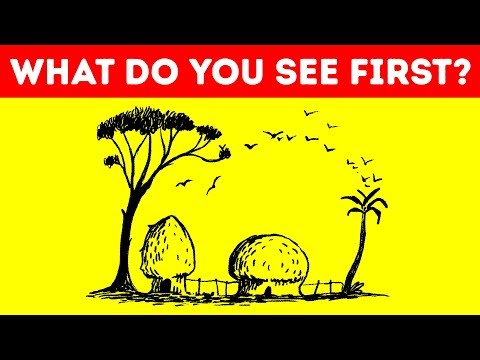
You know those days when you just feel a little lost? Like, what am I even doing with my life?
Well, personality tests could be kinda fun. They can help you peek inside your own mind a bit. Ever tried one?
Some are silly, but some really make you think. They take a look at your quirks and vibes while digging into your past experiences.
It’s wild how a simple question can spark huge realizations about yourself. Who knows? You might discover something new and exciting!
So, pull up a chair and let’s explore these quirky tests together. You might just find out more about yourself than you expected!
Exploring Personality Tests: Uncovering Hidden Conflicts and Emotions
Personality tests have become super popular lately. You might’ve seen them everywhere, from social media quizzes to more serious assessments used in therapy and workplaces. The thing is, these tests can give you a peek into your inner self, maybe even uncover some hidden conflicts and emotions.
Many people are curious about what makes them tick. Like, why do you react the way you do in certain situations? A personality test can help shine a light on that. It’s not just about figuring out if you’re an introvert or extrovert. They dig deeper into **your traits, preferences**, and even **values**.
But how do they actually work? Well, personality tests usually involve answering a series of questions. These could range from serious stuff to just fun scenarios. Your answers are then evaluated based on psychological theories. Popular ones like the Myers-Briggs Type Indicator (MBTI) or the Big Five can categorize your personality into types or traits.
Now, here’s where things get interesting—these tests can reveal hidden conflicts. Take someone who scores high on agreeableness but also exhibits anxiety traits. You might find yourself in tricky situations where you struggle between wanting to please others and managing your own stress levels.
Another key point is how emotions play into this mix. Sometimes, the results of a personality test might make you reflect on feelings you didn’t fully recognize before. For instance, if a test indicates that you’re not very open to new experiences, it might lead you to realize it’s because of past failures or fears that hold you back.
And hey, let’s talk about how these insights can be helpful! By understanding these hidden aspects of yourself:
That said, it’s important to remember that no test is perfect. They’re tools—not crystal balls! People are complex beings influenced by countless factors like culture and upbringing. So while a personality test might give you lots of food for thought, don’t take it as the one-size-fits-all answer to who you are.
In sum, exploring personality tests can feel like peeling back layers of an onion—sometimes what lies beneath isn’t always pretty! But with each layer comes greater understanding of yourself and those hidden emotions or conflicts that surface along the way. And seriously? That kind of insight is priceless for personal growth.
Unlocking Self-Discovery: What the 16 Personalities Test Reveals About You
The 16 Personalities Test is something that a lot of folks turn to when they want to learn more about themselves. It’s based on the Myers-Briggs Type Indicator, which classifies people into one of 16 personality types using four key dimensions. Each type has its own unique traits and behaviors. Sounds interesting, right?
So, let’s break it down a bit. Basically, the test looks at four dichotomies:
When you take the test, it’s like peeling back layers of an onion – slowly revealing more of who you are deep down. You might find out you’re an “ENFP” – that’s Extraverted, Intuitive, Feeling, and Perceiving. With this type, you’re often energetic and creative but might sometimes feel overwhelmed by emotions.
Now here’s where things get real: people often use these insights for self-discovery! For example, someone who realizes they’re more introverted might decide to take time for themselves instead of always being out at parties. The thing is, understanding your personality type can help improve relationships too; like knowing why conflicts happen with certain friends or family members.
But hold on! Don’t think this test tells everything about your life path—it’s just one piece of the puzzle! While some may relate to their result completely—like when I took it and saw I’m all about creativity and innovation—others might find it doesn’t quite fit them.
Some people worry that putting themselves in a box could limit their growth but here’s an idea: use your personality type as a starting point! It can guide you on what strengths to leverage while also highlighting areas for development.
And let’s not forget how fun it is to compare results with friends! You can bond over shared traits or laugh about totally opposite results—it adds a new layer to friendships sometimes.
So basically, the 16 Personalities Test offers valuable insights into who we are at our core—our quirks and tendencies—while helping us navigate through life better. Just remember that it’s not everything; it’s just part of a much bigger picture!
Unlock Your Inner Self: Discover Challenging Personality Tests That Reveal Hidden Insights
Personality tests can be a real eye-opener. They’re like that mirror you didn’t know you needed, showing parts of yourself you might not see otherwise. You might think it’s just fun and games, but seriously, these tests can provide deeper insights into who you are.
Let’s talk about a few challenging ones. These aren’t your run-of-the-mill quizzes where you choose “A” or “B.” They dig deeper, often requiring some serious self-reflection.
- Myers-Briggs Type Indicator (MBTI): This one categorizes your personality into 16 different types based on four pairs of opposing traits. Are you more introverted or extroverted? Intuitive or sensing? This can help you understand how you interact with the world. Once, I took it and realized I’m an INFP—an idealist! It explained so much about my daydreamy nature.
- The Big Five Personality Test: It focuses on five main traits: openness, conscientiousness, extroversion, agreeableness, and neuroticism. Knowing where you land on these traits can unveil your strengths and weaknesses in various situations. For instance, if you’re highly neurotic, stress may hit harder for you than for others.
- The Enneagram: This one’s all about your core motivations and fears. There are nine personality types here, each with its own quirks! If you’re a type 4—a creative individual—you might find that you’re constantly seeking to express yourself uniquely. When I learned I was a type 7 (the enthusiast), it made sense why I’m always planning my next adventure!
So why go through the hassle? Well, really understanding yourself can help in relationships and work situations. Plus it brings clarity to those feelings that sometimes make no sense.
Keep in mind, these tests aren’t the definitive answer to who you are; they’re tools for exploration. You could even take them periodically to see how your personality may shift over time as experiences change your outlook.
In the end, getting to know yourself better is like making peace with those messy parts of life that seem confusing at times. Like when I realized my tendency to avoid conflict wasn’t weakness but rather a reflection of wanting harmony—it totally changed how I engage with friends and family.
So if you’re curious and ready for some introspection, dive into one of these personality tests! Who knows what hidden insights await?
Personality tests can be such a mixed bag, can’t they? On one hand, they’re like these fun little puzzles that peel back the layers of who you are. But on the other hand, some of them can totally throw you for a loop. I remember taking one of those tests a while ago—one that promised to reveal my “true self.” I mean, how can a few questions really get into the nitty-gritty of our lives, you know?
So there I was, clicking through the options and feeling all sorts of things. Some questions made me think about my deepest fears, while others were just like, “What’s your favorite color?” It’s wild how something so simple can lead to massive insights or send you spiraling into overthinking mode.
Then there’s that moment when you finish and get your results. You’re left staring at this printout or reading some interpretation online. Sometimes it’s like a light bulb goes off—“Wow! That totally makes sense!” Other times it’s like they just served me a slice of cake made with putrid ingredients. Not tasty at all! Have you ever felt that way? Like what they told you doesn’t even remotely line up with who you think you are?
These tests often touch on core beliefs or traits we might not even acknowledge in ourselves. For example, one time I discovered that I scored high on introversion when I always thought I was more extroverted because I’m social at work events. It’s not so much about being shy but more about how tiring social interactions can be for me post-event—like, seriously draining!
The thing is, these tests don’t define us completely. They highlight parts of our personalities but aren’t the full picture—they’re more like snapshots in time rather than a comprehensive biography. It’s easy to trip over our identities and think we have to fit neatly into some box based on these scores.
But if anything, maybe they help us understand ourselves better or see new perspectives on how we navigate life and relationships. Whether you’re using it for personal growth or just for fun with friends over coffee, it opens up dialogues about emotions and behaviors that we sometimes sweep under the rug.
So yeah, personality tests can be pretty revealing—or frustrating—but they definitely spark conversations worth having! What do you think?