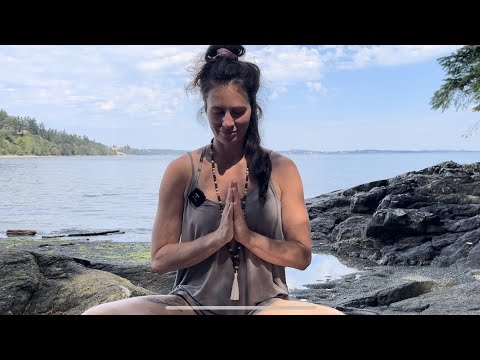
Alright, so let’s talk about Dirgha Pranayama. You know, that breathing technique? It’s pretty cool.
Imagine you’re feeling scattered or just overwhelmed with life. We’ve all been there, right? Just a few deep breaths can seriously change the game.
Dirgha Pranayama, or “three-part breath,” is like a reset button for your mind and emotions. Yeah, it sounds fancy, but it’s really not.
You just breathe deeply and focus on filling your lungs completely. Simple as that! And if you stick with it, you might find a clearer headspace and some emotional calmness too.
So, are you ready to give it a shot? Let’s get into how this breathing thing works!
Discover the Best Pranayama Techniques for Achieving Emotional Stability
So, you’re curious about pranayama and how it can help you find some emotional stability? That’s awesome! Pranayama is basically a fancy word for breathing techniques that come from yoga. The idea is that by controlling your breath, you can also control your mind and emotions.
One cool technique you might want to check out is Dirgha Pranayama, often called “three-part breath.” It’s super simple but highly effective. Dirgha focuses on filling your lungs completely and promotes relaxation, which can be a game changer when you’re feeling all over the place emotionally.
Here’s a little breakdown of how Dirgha Pranayama works:
- Step One: Getting Comfortable. Find a comfy seat or lie down on your back. You want to be relaxed, so no distractions!
- Step Two: Belly Breath. Start by taking a deep breath into your belly. Imagine it’s like blowing up a balloon; fill it up slowly. Let your stomach expand for about four counts.
- Step Three: Chest Breath. Next, let that breath rise into your chest. Feel it expand further as you hold it for another four counts.
- Step Four: Exhale. Now the fun part—slowly release the air through your mouth or nose. Let it all go! This should take about six counts, longer than the inhale to promote relaxation.
- Repeat. Keep doing this for five to ten minutes. You’ll feel more centered and calm with each cycle!
The thing is, when you pay attention to your breathing, you’re also tuning in to what’s happening inside you—kind of like having an emotional check-up right there on the spot! It’s not magic; it’s just good ol’ mindfulness combined with breath awareness.
I remember trying this one day when I was feeling super overwhelmed with work and life in general. I sat down in my kitchen and focused on my breaths like this. At first, my mind wandered everywhere—what was for dinner? Did I send that email? But then something clicked after a few minutes of practicing Dirgha Pranayama. I started to feel lighter; those worries felt much less heavy just by focusing on my breath.
This practice doesn’t just make you feel good in the moment; over time, it helps regulate stress responses in our bodies too! Regularly practicing pranayama can lead to increased emotional resilience and clarity over time—a real win-win!
If you’re looking for more stability in life or just need something relaxing after a tough day, give Dirgha Pranayama a shot! Who knows? It might become one of your go-to coping mechanisms!
Unlocking Mental Clarity: The Best Pranayama Techniques to Enhance Your Focus
Well, let’s talk about Dirgha Pranayama, which is a type of breathing technique from yoga that’s all about finding your center and boosting mental clarity. You know, sometimes our minds can feel like a crowded room—lots of noise and not much focus. Dirgha Pranayama helps calm that chaos.
Basically, it involves deep, controlled breathing that focuses on filling your lungs completely. Imagine for a moment you’re taking in air like you’re trying to fill up a balloon slowly. It’s not just about filling up the lungs; it’s also about controlling the breath to create balance in your body and mind.
So, here’s how it works:
- Three-Part Breath: This means you breathe into three sections—your belly, ribs, and chest. You start by letting your belly expand like a balloon when you inhale. Then you fill your ribs with air before finally bringing it up into your chest.
- Release Tension: When you exhale, do it slowly and let out any tension or negative thoughts along with the breath. It really helps ground you and can clear away that mental clutter.
- Mindfulness: This technique encourages being present in the moment. As you breathe deeply, focus on each part of your inhalation and exhalation, which can help pull your attention away from distractions.
Now, why does this matter? Well, I remember when I was dealing with a major project deadline at work; my thoughts were racing everywhere. I felt overwhelmed! So I decided to try Dirgha Pranayama one morning before diving into my tasks. After just a few rounds of this three-part breathing, I felt so much more centered! My mind was clearer, and oddly enough, I felt more confident tackling that to-do list.
It takes some practice to get used to it but seriously—it’s super effective for promoting emotional balance. You’re not just breathing; you’re actively engaging with your emotions while focusing on the flow of breath. Plus, it’s free! No gym membership or fancy equipment required.
Incorporating Dirgha Pranayama into your daily routine can do wonders for enhancing focus over time. Just find a quiet spot where you won’t be interrupted—maybe sitting cross-legged on the floor or even slumping in the comfy couch works too!
So next time you’re feeling scattered or anxious—give this technique a shot! You might find that unlocking mental clarity is just a few deep breaths away!
Exploring the Benefits of Dirga Pranayama for Mental Health and Well-Being
Dirgha Pranayama, or «Three-Part Breath,» is a breathing technique that packs a serious punch when it comes to mental health and well-being. It’s like giving your mind a refreshing bath!
You might be wondering, what makes this breathing method so special? Well, for starters, it promotes **mental clarity**. When you focus on your breath, you’re tuning out all the background noise in your head. It’s as if you’re turning down the volume on that pesky inner critic that loves to chatter away.
Another great thing about Dirgha Pranayama is its ability to help with **emotional balance**. Taking those deep breaths can seriously calm the storm inside you. You know those days when everything seems overwhelming? Just a few minutes of this practice can pull you back together.
Here’s how it works:
- First, you take a deep inhalation through your belly.
- Next, you let the breath rise into your chest.
- Finally, fill up that upper chest area and collarbones before slowly exhaling.
This rhythmic breathing has been shown to lower stress levels too. There’s something soothing about focusing on how your body moves with each breath. When I first tried this practice during a hectic week at work, I felt like I could finally breathe again—literally!
But let’s not forget about its impact on anxiety. Regularly practicing Dirgha Pranayama can help ease those intense feelings of worry and fear. You know how it goes; sometimes anxiety grips you tight like a vice, making it hard to think straight or even function normally. Breathing deeply helps signal to your brain that it’s okay to relax.
And if you’re looking for improved focus? This technique has got your back! By centering your attention on your breath, you’re training yourself to stay present and aware. It’s super helpful not just for tackling tasks but also for enjoying those little moments in life.
So really—what’s stopping you from giving Dirgha Pranayama a shot? Whether you’re feeling frazzled or just want some daily peace of mind, this breathing technique could be just what the doctor ordered!
Dirgha Pranayama, huh? It sounds all fancy, but it’s really just a breathing technique that can do wonders for your mind and mood. So, here’s the deal: this style of breathwork helps you take deep, full breaths to really fill your lungs up. It’s kind of like giving your body and brain a big hug.
When I first heard about this, I was like, “Breathing? No way that can help me.” But I gave it a shot during a particularly chaotic time in my life. Picture me—stressed out, juggling work deadlines and personal issues; my mind was racing like an out-of-control train. One evening, after reading up on Dirgha Pranayama, I decided to try it out.
I settled into a comfy spot on my couch and started inhaling deeply through my nose—first filling my belly, then my ribs, and finally my chest. Then I slowly let it all out through my mouth. At first, it felt awkward, almost forced even—but then something shifted! It was like each breath brought in clarity while pushing out the chaos swirling around in my head.
What happens is this breathing pattern helps calm the nervous system down. You know how life can feel overwhelming? Well, with each exhale during Dirgha Pranayama, you’re letting go of that weight on your shoulders. And then there’s that lovely side effect: emotional balance! Seriously! After practicing for just a few minutes regularly, I started feeling less irritable and more focused.
It’s not just about clarity; it’s also about tuning into yourself emotionally. You know those times when you feel all mixed up inside? Practicing Dirgha Pranayama helps you connect with that inner emotional landscape. Like suddenly realizing where those feelings of anxiety or sadness were coming from—and guess what? It makes it easier to deal with them.
Now don’t get me wrong; breathing exercises aren’t some magical fix-all solution—like they won’t solve every problem overnight—but they can be an invaluable tool in your mental health toolkit! If you’re looking for something simple yet effective to bring peace back into your life—even if it’s just for a little while—give Dirgha Pranayama a whirl! It’s such an easy way to reconnect and find some balance amid life’s craziness.