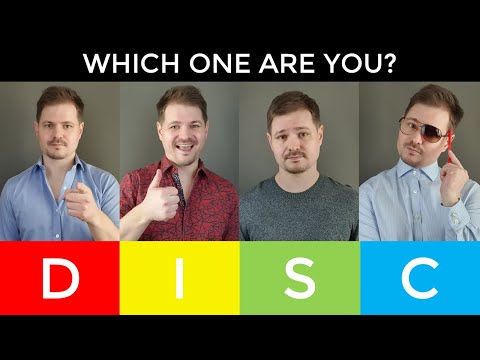
You know, figuring out how to connect with someone in therapy can be tough. Sometimes it feels like you’re speaking different languages, right? That’s where the DISC test comes in handy. It’s one of those tools that can really help us understand ourselves and others better.
Imagine sitting across from your therapist and realizing they’re totally getting you—like, finally! The DISC test breaks things down into four basic personality types: Dominance, Influence, Steadiness, and Conscientiousness. It’s pretty cool how just a few words can unlock a whole new way of seeing yourself and those around you.
So, if you’re curious about how to use this tool to make therapy more meaningful, stick around! We’re about to dive into some strategies that might just change the game for you. Seriously, it’s worth exploring!
Mastering the DiSC Assessment: A Step-by-Step Guide to Effective Facilitation
The DiSC assessment is a popular tool used to understand personality types and behaviors. It helps people figure out how to communicate better, work well with others, and improve relationships. You might’ve heard of the four main styles: Dominance, Influence, Steadiness, and Conscientiousness. Each one has its own flavor and understanding them can really make a difference in therapy settings.
When you’re facilitating the DiSC assessment in therapy, it’s crucial to keep a few things in mind. Here’s what to focus on:
1. Know the Basics: Before diving into facilitation, familiarize yourself with the four DiSC styles. Dominance types are assertive and direct; they like control and results. Influential types are outgoing and enthusiastic; they thrive on interaction and encouragement. Steady types value harmony and support; they’re great listeners. Lastly, Conscientious types focus on details and accuracy; they’re analytical thinkers.
2. Create a Safe Space: It’s essential for participants to feel comfortable expressing themselves during this process. Set clear ground rules for respect and confidentiality so everyone can open up without fear of judgment.
3. Use Clear Language: When explaining the DiSC principles or questions in assessments, clarity is key. Don’t get tangled up in jargon! Break down complex terms into simple ideas that everyone can understand.
4. Encourage Reflection: After participants complete their assessments, give them time to reflect on their results. Ask open-ended questions like “How do you feel about your style?” or “Can you think of a recent situation where this played out?” These prompts help deepen their understanding.
For example, if someone identifies as high Dominance but struggles with relationships at work, ask them to think about how their assertiveness might be perceived by different personality types around them.
5. Focus on Application: Talk about real-world applications of their results during discussions. Encourage participants to think about how they can adapt their communication strategies depending on the styles of others they interact with daily.
6. Follow Up: The learning doesn’t stop after one session! Make sure to touch base later on progress or challenges they’ve faced since then related to what they learned from the assessment.
Incorporating these strategies into your facilitation will enhance not only your skills but also the overall experience for your clients or team members participating in the DiSC assessment process.
Handling this tool isn’t just about talking through results; it’s about building understanding among individuals who probably have different ways of seeing things—and that’s where real connection happens!
Understanding the DiSC Method in Psychology: A Comprehensive Guide to Personality Assessment
When you hear about the DiSC method, it can sound like just another personality assessment tool. But seriously, it’s so much more than that. The DiSC model breaks down behavior into four main types: Dominance, Influence, Steadiness, and Conscientiousness. Each type has its own unique traits, strengths, and weaknesses—kinda like your very own personality recipe!
Dominance is all about results. People with this trait are direct and assertive; they love challenges and can be pretty competitive. Imagine someone who takes charge in meetings and isn’t afraid to voice their opinions. They might also struggle with patience when things don’t move as quickly as they’d like.
Influence focuses on people skills. Those high in this trait are often charismatic and social; they enjoy connecting with others. Think of someone who lights up a room with their energy but might sometimes overlook details or get distracted easily because they’re so busy chatting.
Steadiness is about consistency and support. People here tend to be calm, patient listeners who prefer teamwork over competition. You know? The kind of friend who’s always there for you during tough times but may find it hard to say no or deal with conflict.
Then there’s Conscientiousness. This type loves organization and detail—think perfectionist vibes! These folks analyze situations carefully before jumping in, but can sometimes get stuck trying to figure out all the details without taking action.
Understanding these different types helps you grasp how people communicate, react under stress or engage in groups. And what’s neat is that knowing someone’s DiSC profile can totally enhance your interactions with them—whether at work or in personal relationships.
So, how does this tie into therapy? Well, therapists use the DiSC assessment to better understand their clients’ behavior styles. For example:
- A person high in Dominance might need help managing anger or frustration since they’re used to always being in control.
- If someone scores high on Influence, therapy could focus on helping them manage distractions or creating boundaries with others.
- A Steadiness type might work on asserting themselves more effectively without feeling guilty.
- Conscientious individuals could benefit from strategies to let go of perfectionism and embrace imperfection.
Basically, using the DiSC method allows therapists to tailor their approaches based on individual styles. It’s all about meeting the client where they are—which is super key for effective therapy!
So if you ever find yourself taking a DiSC assessment—or if you’re curious about how it could help your relationships—you’ll have a better idea of what those results mean for you! Embracing our differences can make life so much richer—and understanding them through methods like DiSC makes navigating this world way easier!
Exploring the Effectiveness of the DiSC Assessment in Understanding Personality and Improving Communication
The DiSC assessment is a popular tool used to understand personality styles. It categorizes people into four main types: Dominance, Influence, Steadiness, and Conscientiousness. Each of these types has its own way of interacting with the world. The thing is, this assessment can really help in various areas—especially communication.
First off, let’s break it down a bit. When you know your DiSC profile and the profiles of others, it becomes easier to see how you all approach situations differently. Think about a time when you were working on a group project. If someone was super detail-oriented (that Conscientiousness vibe) and another person was all about big ideas (hello, Influence), they might clash if they don’t understand each other’s styles.
Here are some key points on how the DiSC assessment can help in therapy:
- Enhancing Self-Awareness: Knowing your style helps you recognize your strengths and weaknesses. For instance, if you’re high in Dominance, you may be assertive but also sometimes come off as demanding. Understanding this can lead to personal growth.
- Improving Communication: The DiSC framework provides tips on how to communicate with different personality types. If you’re meeting with someone who has a high Steadiness score, it might be wise to be more patient and nurturing.
- Conflict Resolution: Conflicts often arise from miscommunication or misunderstanding each other’s intentions. By recognizing different styles in yourself and others, it can ease tensions during disagreements.
- Setting Goals: In therapy settings, clients can set goals that align with their personality type for better outcomes. A Dominant person might thrive with challenging tasks while a steady individual may prefer stability.
Now let’s talk real-world examples! Imagine you’re in therapy discussing workplace dynamics. Your therapist uses the DiSC assessment to show how your colleagues are wired differently than you are. This leads to some lightbulb moments where you realize why certain interactions left you feeling frustrated or unheard.
Using the DiSC tool isn’t just about understanding ourselves—it’s also about enhancing our relationships with others by adapting our communication styles accordingly. By being aware of each other’s differences through this lens, we’re more likely to foster empathy instead of frustration.
In summary, the effectiveness of the DiSC assessment lies in its ability to create awareness around personality traits and enhance communication skills—definitely valuable tools in both therapy and everyday life situations! So next time you’re facing a challenge in understanding someone else—or even yourself—consider how knowing your DiSC profile might change the game!
So, the DISC test, huh? It’s like this cool framework that helps you understand different personality styles. You’ve got Dominance, Influence, Steadiness, and Conscientiousness. Pretty neat way to break down how people think and behave, right? It’s like having a little cheat sheet for human interactions.
I remember sitting in on a session where the therapist used it with her client. This guy was really struggling with his relationships. He felt misunderstood by everyone—friends, family, even coworkers. The therapist had him take the DISC assessment, and wow, it was eye-opening for him. When he saw his results laid out in front of him, everything clicked into place. He realized he was a high “D,” which meant he tended to be assertive and action-oriented. But he often clashed with his “S” friends who were more laid-back and prioritizing harmony.
What’s cool about using the DISC test in therapy is that it can open doors to conversations you might not have thought to have otherwise. Like after seeing those results, they started discussing how he could adapt his communication style to connect better with others. Instead of just telling people what he needed—he learned how to listen too. And honestly? That small shift made a huge difference.
You can also use this test as a foundation for setting goals during therapy sessions. If someone identifies as an “I” (you know—the warm and outgoing type), they might want to work on speaking up more in group settings or starting conversations rather than waiting for others to approach them first.
But here’s the thing: it’s not just about labeling people or putting them in boxes; there’s definitely some finesse involved when using the DISC model in therapy. You want to make sure it resonates with your client without falling into stereotypes or generalizations that might not fit them perfectly.
So yeah, when used effectively—and blended in with other therapeutic approaches—the DISC test can really enhance self-awareness and communication skills. Just think about it: If we all understood each other a little better, wouldn’t it make navigating life feel less like wandering through a maze?