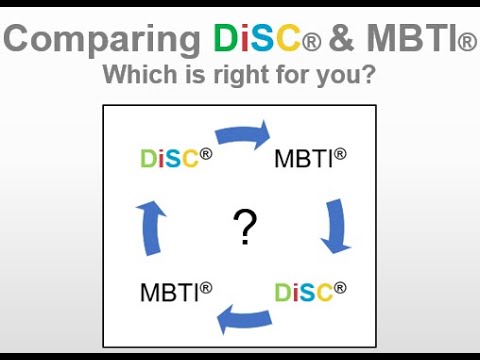
You know how some days you just can’t figure out why you’re feeling off? Or maybe you’re trying to understand a friend’s quirks but can’t make sense of them?
Well, what if I told you that there are tools out there that can help, like the DISC and MBTI? These personality frameworks are like insider guides to the way we think and interact with each other.
Combining them could give some seriously cool insights into your own mental health and relationships. Picture this: a clearer view of yourself, your buddy’s vibes, and how to support one another better.
So, let’s get into this! We’ll break it down together and see how mixing these two can shine a light on your emotional world. Sound good?
Exploring the Debate: Is the MBTI a Valid Psychological Tool or Just Pseudoscience?
The MBTI, or Myers-Briggs Type Indicator, is one of those things that gets people talking—like, a lot. Some folks swear by it, while others roll their eyes and call it pseudoscience. So, what’s the deal? Is the MBTI a valid psychological tool, or just a fancy personality quiz?
First off, let’s talk about what the MBTI actually is. It’s designed to help you understand yourself better by categorizing you into one of 16 personality types based on four dichotomies: Introversion (I) vs. Extraversion (E), Sensing (S) vs. Intuition (N), Thinking (T) vs. Feeling (F), and Judging (J) vs. Perceiving (P). Each letter represents how you prefer to interact with the world around you.
Now, here’s where things get tricky. Critics argue that the MBTI lacks rigorous scientific backing. They say it oversimplifies human behavior into tidy boxes that just don’t capture our complexities. A lot of research shows that personality traits are more fluid than this tool suggests. What happens when you’re feeling down or stressed? You might act completely different than your type indicates.
But let’s consider the other side of the coin! Many people find value in using the MBTI as a conversation starter or a way to understand themselves and others better. For example, if someone identifies as an ENFP—Extraverted, Intuitive, Feeling, Perceiving—they might thrive in social settings but need time alone to recharge after big events. That kind of insight can help in personal development.
Then there are folks who combine different tools for deeper insights into mental health—like integrating DISC with the MBTI framework. The DISC model focuses on behavioral traits like Dominance, Influence, Steadiness, and Conscientiousness. When paired together with MBTI types, it could provide a broader understanding of how someone might react in various situations or work environments.
Let’s not forget about validity and reliability! While some studies show decent consistency in results over time, others have pointed out that people can get different results on separate occasions or even depending on their mood at the time they take it—which doesn’t exactly scream scientific reliability.
In short, there is no clear consensus here—it really depends on whom you ask! Some see value in these frameworks for self-discovery and teamwork; others dismiss them as little more than party tricks with no real grounding in science.
So whether you think of MBTI as valid psychology or just another fun quiz at your next gathering really boils down to personal experience and belief! Just remember—people are complex creatures with unique stories behind every type label we try to stick on them!
Unpacking the Criticism of MBTI: Insights into Personality Typing and Its Limitations
Personality typing has become a pretty popular way for people to understand themselves and others. Two of the big players in this space are the Myers-Briggs Type Indicator (MBTI) and DISC. But there’s a lot of buzz around the criticism of MBTI and its limitations. Let’s unpack that, shall we?
First off, MBTI sorts people into 16 different personality types based on four dichotomies: Introversion vs. Extraversion, Sensing vs. Intuition, Thinking vs. Feeling, and Judging vs. Perceiving. Sounds neat, right? But critics argue that it oversimplifies the complexity of human behavior. You can’t just cram everyone into a box with four letters! Just because you get an ‘INTJ’ doesn’t mean you act like every other INTJ on the planet.
One major concern is that people often see their type as a label rather than a tool. When someone identifies as an INFP, they might start to believe that it defines them absolutely—like some kind of personality prison! This creates an issue where folks might ignore behaviors or traits that fall outside their type because they think it’s not «who they are.»
Then there’s the issue with reliability. You could take the MBTI today and get one result, then take it again next week and get something totally different! That inconsistency makes it hard to rely on it for serious self-assessment or development.
Also, the lack of scientific grounding is pretty glaring. While there are some studies supporting its use in settings like workplaces for team-building or conflict resolution, there’s not much robust research backing its claims about predicting behavior or success in areas like relationships or mental health.
Now let’s talk about how integrating MBTI with DISC could potentially enhance understanding in mental health settings—if done right! The DISC model focuses more on observable behaviors rather than internal motivations like MBTI does. It categorizes individuals into four styles: Dominance, Influence, Steadiness, and Conscientiousness.
So what if you combined them? You might analyze how someone behaves (using their DISC type) while also considering their deeper preferences (from MBTI). For example:
This combo could lead to richer insights about how someone navigates stress or anxiety—like whether they confront issues head-on or withdraw to process emotions.
In short, while both MBTI and DISC can offer valuable perspectives on personality traits and tendencies, it’s crucial to remember they’re just tools—not definitive answers. Each has its strengths and weaknesses; thus recognizing those limitations allows you to apply these models more effectively in understanding yourself or others in mental health contexts.
So yeah, be aware of what these systems can—and can’t—do for you! They might not give you all the answers but could lead to better conversations about who we are as human beings.
Exploring the Pros and Cons of MBTI: Understanding Its Impact on Personality Psychology
There’s been a lot of chatter about the Myers-Briggs Type Indicator (MBTI) and how it fits into personality psychology. You’ve probably heard people say they’re an “INFJ” or “ESTP” at some point, right? It’s like a personality badge. But there’s way more to it than just letters. So, let’s break it down a bit, shall we?
Pros of MBTI
First off, one of the biggest perks of MBTI is that it helps people understand themselves and others better. By categorizing personalities into 16 types based on four dichotomies—Introversion vs. Extraversion, Sensing vs. Intuition, Thinking vs. Feeling, and Judging vs. Perceiving—you get a little roadmap for navigating relationships and communication.
Another cool thing? It can be a conversation starter! Like, you’re at a party and someone brings up their type—it opens the door to all sorts of discussions about preferences and behaviors that can help strengthen bonds between folks.
Also, in workplaces or teams, knowing each other’s MBTI types can really boost collaboration. Team members might start understanding why someone prefers detailed plans while another thrives on spontaneity. It fosters empathy, which is key in any group setting.
Cons of MBTI
Here comes the flip side though—critics argue that MBTI isn’t super scientific. Some psychologists say that the test lacks reliability; you might get different results if you take it again after some time. That’s kind of tricky when people put so much stock into those letters defining them!
Additionally, while categorizing personality traits is interesting, it can sometimes lead to stereotypes or pigeonholing individuals unfairly. Like thinking “Oh, they’re an INTP; they must be socially awkward,” which totally overlooks their unique individuality.
Then there’s the concern about its application in serious settings like career counseling or mental health assessments—some professionals suggest using more validated tools instead.
Integrating DISC with MBTI
Now when you toss in something like the DISC assessment—which focuses on Dominance, Influence, Steadiness, and Conscientiousness—you get another layer to this whole personality pie! Integrating both methods could provide deeper insights for mental health professionals or teams trying to improve dynamics.
For example:
So yeah, while MBTI has its fans—and I get why—the debate over its effectiveness in psychological contexts persists. It feels like we’re still figuring out how best to use these tools without letting them box us in too tightly.
In the end? Personality assessment tools like MBTI and DISC can be super useful if used wisely and alongside other methods—but it’s crucial not to forget the rich complexity of being human amid all those letters and categories!
So, you know when you’re trying to figure out how to connect better with someone, and you just wish there was a cheat sheet? Well, that’s where tools like DISC and MBTI come into play. They can really help increase our understanding of ourselves and each other.
I remember a time when I was having some struggles with my friend. We were like oil and water, just not clicking. It was super frustrating until one day, I stumbled across the idea of using personality frameworks to better understand our differences. It felt like finding a map in a maze! Exploring her MBTI type was illuminating; she was an ENFJ – caring and outgoing – while I identified more as an INFP, reflective and sensitive. Suddenly, things started making sense!
Now, let’s break it down a bit. The DISC model focuses on behavior: Dominance, Influence, Steadiness, and Conscientiousness. It’s kinda like looking at the surface level of how someone acts in various situations. On the flip side, MBTI dives into personality types based on preferences for how we perceive the world and make decisions—like introversion vs. extroversion or thinking vs. feeling.
So why bother mixing them? Well, integrating DISC with MBTI can create this rich tapestry of understanding that digs deeper than just behavior or preference alone. The combination gives you insights not only into how someone behaves but also why they might behave that way based on their personality framework—and isn’t that just fascinating?
For example, if you know someone is high in the «Steadiness» category of DISC but also identifies as an INFJ in MBTI terms, you get this fuller picture: they tend to be calm and supportive but also deeply introspective about their feelings—perfect for nurturing relationships yet sometimes avoiding conflict.
Bringing both together can be super beneficial in therapy settings too. Imagine a therapist being able to see not only behavioral traits but also underlying motivations for those behaviors? That’s powerful stuff! This insight could lead to more personalized approaches to treatment or even conflict resolution among friends or partners.
Honestly though, while these tools are useful shortcuts to understanding ourselves better—and definitely help bridge gaps between different communication styles—they’re not perfect blueprints for every single interaction we’ll ever have. People are complex; we’re like walking puzzles that don’t always fit neatly into boxes.
Still, integrating DISC with MBTI opens doors for conversations that can lead to deeper connections and improved mental well-being—whether that’s through fostering empathy in your relationships or navigating workplace dynamics more smoothly.
So next time there’s tension or confusion with someone close to you—or even at work—maybe take a moment to reflect on those personality frameworks together? You never know what kind of breakthrough it could spark!