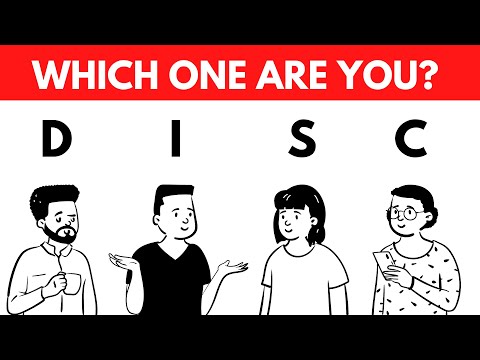
You know how some people just seem to click with you while others make you want to run for the hills? That’s not just bad luck or random vibes. It’s all about personality types.
Let’s talk about the DISC model. It’s a super simple way to understand why we are who we are. The whole idea is built around four main types: Dominance, Influence, Steadiness, and Conscientiousness.
When you see these types in action, it’s pretty eye-opening. You might even recognize yourself or your friends in them! Seriously, it can change how you vibe with others.
So, ready to break down what each of these personality types looks like in real life? Buckle up!
Understanding the 16 DISC Personality Types: A Comprehensive Guide to Self-Discovery and Team Dynamics
Understanding personality is a fascinating journey, and one popular way to explore this is through the **DISC Personality Types**. This framework helps you figure out your traits, communication styles, and how you interact with others. Basically, it’s about understanding yourself and the people around you better.
So here’s the scoop: the DISC model breaks personality down into **four main types**, each of which has its own flavors. These types are:
- D – Dominance: Think bold, assertive, and decisive. Those who fall into this category are usually results-driven and love challenges. You might find them leading the charge in meetings.
- I – Influence: These folks are social butterflies! Super enthusiastic and persuasive, they thrive on connection with others and tend to motivate their teams.
- S – Steadiness: They’re all about peace and stability. Steady types are supportive listeners who value collaboration over confrontation, which makes them great team players.
- C – Conscientiousness: Detail-oriented and analytical. If you’re a C type, you’re focused on quality and accuracy—often preferring data over warm fuzzies.
Now let’s break it down even more because there’s more to explore! Each main type can actually have variations or blends with one another. For example:
- A person who is high in both D and I might be a natural leader who’s also fun-loving—think of an energetic CEO who motivates their team through charisma.
- Someone with strong S traits paired with I could be a supportive friend who’s also sociable at parties; they’ll make sure everyone feels included.
- A C that dips into S might be someone who loves their routines but can empathize when things get tough for others in the office.
Let me share a little story to paint this better for you. Imagine Sarah at work—she’s super outgoing (think I) but also has that drive to get things done (D). One day, her project deadline was looming pressure from higher-ups made her feel overwhelmed. Instead of shutting down or pushing everyone too hard in stress mode though, she rallied her team together (that’s her I side!) to brainstorm ideas for working smarter instead of harder. It’s like she blended both sides perfectly!
Understanding these personality types isn’t just for personal growth; it really helps improve teamwork dynamics too. When people understand each other’s styles, they can adapt their communication methods accordingly.
For instance:
- A D type may need reminders that time spent socializing can build rapport but isn’t always about getting things done right away.
- An I might need support when presenting ideas since their enthusiasm sometimes overshadows important details that would come naturally to a C type.
So there you have it! The DISC model offers toolset for both self-discovery and improving relationships at work or even at home. It encourages empathy by highlighting that not everyone processes information or interacts in the same way—that’s pretty crucial for smooth sailing in any environment!
Whether you’re simply trying to understand yourself better or craving some harmony among your coworkers or friends, knowing these personality types gives you insight into what makes each person tick—and how best to connect with them!
Unlocking Self-Awareness: Exploring the Benefits of the DISC Personality Test
The DISC Personality Test is a pretty interesting tool that helps you understand yourself better. It’s based on four main personality types: Dominance, Influence, Steadiness, and Conscientiousness. Each of these types carries its own strengths and weaknesses. No one is just one type; we usually have a mix, but we tend to lean toward one or two.
So, what’s the deal with self-awareness? Well, self-awareness is all about knowing who you are—like what makes you tick! When you understand your DISC type, it helps clarify how you respond to different situations and people. For example, if you’re more of a Dominant type, you might be driven by results and challenges. You probably don’t have much patience for slow processes or indecisiveness.
Sometimes it can feel like getting lost in a maze when trying to figure out your feelings or reactions. But with the DISC test? It kind of hands you a map! Here are some benefits of exploring this tool:
- Improved Communication: Knowing your style helps tailor how you talk to others. If you’re an Influencer type, leaning into those friendly vibes can help connect with folks.
- Better Relationships: Understanding others’ styles too? That’s priceless! If your friend’s more Conscientious, they’ll appreciate details and structure.
- Enhanced Team Dynamics: In workplaces, knowing everyone’s DISC types can smooth out interactions. You see how Dominance thrives on challenges while Steadiness values harmony.
- Personal Growth: Discovering areas where you might struggle can help set goals. Maybe as a high Influence type, recognizing that being too talkative isn’t always the best move gives room for improvement.
Think about it: if you’re aware of your own triggers and tendencies, you’re less likely to react impulsively when things go sideways.
And let me tell ya—a personal story here: I took the DISC test once after facing some struggles in my work relationships. I realized I was leaning heavily towards the Influencer side. Understanding that helped me recognize why I sometimes felt frustrated when team meetings turned into quick chat sessions instead of action plans!
In short, embracing the insights from the DISC Personality Test can totally shift how you view yourself and interact with others around you. It’s like holding up a mirror that reflects not just what you see on the surface but also what’s happening beneath it all—your motivations and fears.
So whether for personal growth or smoothing out some team dynamics at work, engaging with the DISC framework tends to lead to deeper understanding—like digging up treasures from within yourself!
Understanding DISC Personality Types: Comprehensive Examples and PDF Guide
The DISC personality model is a popular framework for understanding people’s behavior and interaction styles. It breaks down personalities into four main types: Dominance, Influence, Steadiness, and Conscientiousness. Each letter stands for a distinct personality trait, and knowing them can really enhance your relationships and teamwork.
Dominance refers to people who are assertive, result-oriented, and often love to take charge. Imagine a boss who makes quick decisions under pressure. They thrive on challenges but might come off as a bit blunt sometimes. Like my friend Sarah, who dives into projects headfirst without worrying too much about what others think.
Influence types are all about social harmony and enthusiasm. They communicate easily and often inspire those around them. Think of someone at a party lighting up the room with jokes—like Mike, who tells stories that get everyone laughing and involved in whatever he’s doing.
When we talk about Steadiness, we’re looking at folks who are patient, calm, and supportive. They value collaboration over competition. Picture someone like Lisa; she always listens before making suggestions during group work, making sure everyone feels included in the process.
Then there’s Conscientiousness, which is all about being detail-oriented and analytical. These individuals prioritize accuracy and structure; they’re the ones you’d ask to double-check important documents or processes because they notice every tiny detail—like Tom, who has an unyielding checklist for every project he tackles.
You might be curious how these types interact with each other in real life—like during a team project at work or while planning an event with friends. Well, think of a team composed of one person from each category: the Dominant one drives the agenda; the Influencer keeps morale high; the Steady type ensures everyone’s input is valued; while the Conscientious individual makes sure everything runs smoothly by keeping tabs on timelines.
In practice, using DISC can genuinely help smooth out communication gaps that often happen when different types interact. It’s all about recognizing where each person’s coming from so you can adapt your style accordingly—that makes working together more seamless!
If you’re looking for resources on this topic or something tangible to reference later on for deeper understanding—like examples or visual guides—a lot of people find PDFs helpful! They often lay out characteristics clearly along with possible scenarios illustrating how each type behaves in various situations which really brings these concepts to life.
Overall, understanding these personality types isn’t just good knowledge for professional settings but also enhances personal relationships too! You start noticing your friend’s quirks through this lens—it’s pretty mind-blowing when you think about it!
You know, personality tests can feel like a mixed bag. Some are super useful, while others just leave you scratching your head. The DISC model, though, it’s pretty popular in understanding how people tick. It’s like this easy way to break down our behaviors into four types: Dominance, Influence, Steadiness, and Conscientiousness.
So Dominance people? They’re the go-getters. Think of that friend who’s always taking charge at group activities or at work. They’re not afraid to make decisions and can be a bit competitive—kind of like that one person who always wants to win board games.
Then you have the Influencers. These folks just light up a room with their charisma and charm. You know that person who can make even the most boring topics sound exciting? Yep! That’s them! They thrive on connection and really enjoy being around others.
On the flip side, there are the Steady types—these are the calm seas in a stormy ocean of chaos. They’re dependable and patient; you can rely on them in tough times. Like your buddy who will sit there and listen for hours when you’re having a rough day with no judgment—it’s just comforting.
And finally, there’s Conscientiousness. These guys are all about the details and precision. You might notice them double-checking everything or organizing their notes meticulously—and hey, we totally need those people to keep things running smoothly.
I remember one time helping my friend plan an event for work. She was all over the «I» type—so excited about gathering everyone together and making it super fun! But then her partner was definitely more of a «C» type; he wanted every detail in place before anything happened. Honestly, they balanced each other out perfectly! Without her energy pushing things forward, he kept everything organized so they could actually pull it off.
It’s interesting how these types interact in real life situations—you can see how they blend or clash depending on what’s going on around them! If you’ve ever thought about what makes you tick or why some friends just seem to vibe perfectly while others clash heads? This whole DISC thing might give you some insight into that dance we do every day with our personalities!