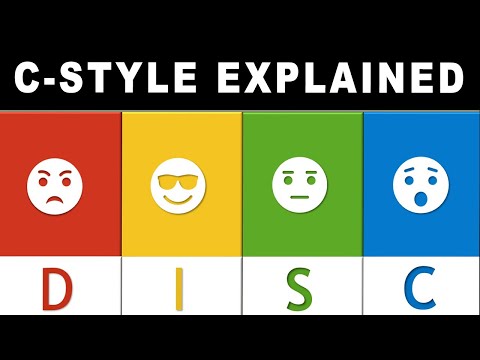
You know that feeling when you click with someone, like you just get them? Well, a lot of that might come down to personality.
Enter the DISC model. It’s not some fancy wellness trend or anything, but it can totally change how you see yourself and others. Curious yet?
Basically, it breaks down personality types into four categories—Dominance, Influence, Steadiness, and Conscientiousness. And trust me, understanding these can shed light on your mental health journey.
Ever had a moment where you felt super misunderstood? Yeah, me too. Knowing your DISC type helps in those moments! So let’s unpack this together and see how it all connects to mental well-being.
Understanding the DISC Theory in Psychology: A Comprehensive Guide
The DISC Theory is an interesting way to look at personality. It focuses on four main traits: **Dominance, Influence, Steadiness**, and **Conscientiousness**. Each of these traits gives us a peek into how someone might behave, communicate, and interact with others.
So, here’s the lowdown on each one:
- Dominance: This trait is all about control and assertiveness. People who score high in this area tend to be competitive and take charge. They often want results fast; they don’t like wasting time.
- Influence: This is where social skills shine! Those with high influence are usually outgoing and enthusiastic. They love to connect with others and often inspire or motivate their peers.
- Steadiness: If someone scores high here, they’re probably calm and supportive. These folks value harmony and consistency. They tend to be good listeners and stable influences in group settings.
- Conscientiousness: Finally, we have conscientious types! These individuals are detail-oriented and analytical. They emphasize accuracy and responsibility, often being seen as reliable team members.
Understanding where you or someone else falls within these traits can really help in mental health contexts. For example, if you know someone leans heavily towards Dominance but struggles with interpersonal relationships due to that assertiveness, you can find ways to help them tone it down a bit when needed.
Think about it like this: Imagine a workplace team where everyone understands each other’s DISC styles. A Dominant team leader might work better with a Steady assistant who provides support while keeping things calm during high-pressure projects.
But here’s the thing—none of these traits exist in isolation! Most people are a mix of these styles at different levels. So understanding your own style doesn’t just clarify how you interact but also shapes your self-awareness regarding mental health.
You see, if you’re feeling anxious or overwhelmed at work, knowing that you are more on the Conscientious side can help you identify why you’re stressed—it may be that the details aren’t lining up as you’d like! Recognizing this gives you an opportunity to address those feelings head-on.
Moreover, therapists sometimes use DISC assessments to guide their approaches with clients too! If someone comes in feeling low because they’re not connecting well with others but tests high on Conscientiousness, the therapist might encourage them to explore social situations in a way that feels safe while stepping out of their comfort zone.
The beauty of DISC lies in its simplicity—it breaks down complex personalities into bite-sized pieces that anyone can grasp! And honestly? Knowing these styles adds another layer to understanding yourself and those around you.
In short, grasping the DISC Theory isn’t just fluff; it’s about getting insight into behaviors that can directly impact your mental health journey or interactions with loved ones—and that’s pretty powerful stuff!
Understanding the DISC Method: A Powerful Tool for Enhancing Mental Health
The DISC method is super interesting—it’s a framework that helps you understand yourself and others based on four primary personality types. Basically, it’s about how we **interact with the world**, process information, and communicate. The acronym stands for **Dominance, Influence, Steadiness**, and **Conscientiousness**. Each type has distinct traits which can really affect mental health.
Dominance types are assertive and goal-oriented. They love challenges but can come off as insensitive sometimes. Let’s say you have a Dominant friend who jumps right into discussions without considering everyone else’s feelings. This might lead to misunderstandings or conflicts, which can be stressful!
Influence people are social butterflies! They thrive in relationships and are usually super enthusiastic. However, they might struggle with focus on tasks since they’re easily distracted by their social environment. Picture someone who just can’t stop chatting – it could make it hard for them to get things done or manage their time well.
Now, Steadiness folks are all about harmony and supportiveness. They value teamwork and are reliable but may resist change. Imagine someone who’s always the peacemaker but feels overwhelmed when faced with unexpected situations—this could create anxiety for them.
Lastly, we have Conscientiousness. These individuals tend to be detail-oriented and analytical—they like structure! But this need for perfection can lead to stress or burnout if they put too much pressure on themselves.
Using the DISC method in mental health is all about enhancing communication and relationships. When you understand your own type and those of others, it’s easier to navigate conflicts or support one another effectively.
- Improved Self-awareness: Knowing your type helps you recognize your emotional triggers.
- Better Communication: You’ll learn how to express your needs while being sensitive to others’ styles.
- Supportive Environments: Working with diverse personality types creates healthier relationships.
To put it in perspective: when I was going through a tough time at work, understanding that my boss was a high Dominance type really helped me adjust my communication style. Instead of feeling frustrated by their directness, I learned to focus on being more straightforward myself.
In summary, the DISC method isn’t just some corporate tool; it’s got real potential in improving mental health by fostering understanding among people. When we embrace our differences instead of viewing them as obstacles, we create a more supportive environment for everyone involved!
Understanding the Impact of DISC Personality Profiles on Mental Health and Psychological Well-Being
Understanding how our personality traits affect our mental health is super important. The DISC Personality Profile is one of those tools that helps us see how different personalities interact with the world. Basically, it categorizes people into four main types: Dominance, Influence, Steadiness, and Conscientiousness. Let’s break it down a bit.
Dominance types tend to be assertive and confident. They like to be in control and go after goals with determination. But sometimes, this drive can lead to stress or anxiety if they feel they aren’t achieving enough. You might know someone who’s always pushing for results—maybe they get burnt out because they’re just not good at taking breaks.
Then there are Influence types. These folks are social butterflies! They thrive on interaction and often have lots of friends. While their energy can lift others up, they might struggle with feelings of loneliness or rejection if social situations don’t go well. I had a buddy who had tons of friends but felt lost when he moved to a new city where he knew no one.
Next up is the Steadiness personality type. These individuals are calm and reliable. They’re often seen as good listeners and supportive friends. However, their need for stability can sometimes lead them to avoid change—even when it’s necessary for growth! Imagine someone who stays in a toxic job just because it feels safe; that’s a tough spot to be in emotionally.
Finally, there are Conscientiousness types, who are detail-oriented and organized. They’re the planners among us! While this trait can be super helpful in many situations, it may lead them to experience anxiety over perfectionism or an overwhelming fear of making mistakes. I once knew someone who couldn’t enjoy a vacation because she was worried about everything that could go wrong back at work!
Now that we’ve got the basics down, let’s chat about how these DISC traits influence mental health overall:
- Awareness: Knowing your DISC profile can help you understand your reactions in stressful situations.
- Coping Strategies: Different personalities will benefit from tailored coping techniques—what works for an Influencer won’t necessarily work for a Dominant personality.
- Relationships: Understanding your own traits as well as those of others helps improve communication and reduce conflict.
- The Workplace: Teams made up of different DISC types can balance each other out—leading to enhanced productivity but also potential misunderstandings.
- Mental Health Risks: Each type has its unique risks; recognizing vulnerabilities linked to your personality can lead to better self-care routines.
So basically, understanding your DISC personality profile isn’t just some fun quiz you take—it really has real-world implications for how you deal with stress and relate to others around you. And by knowing more about yourself and others through this lens, you’re setting yourself up for healthier interactions and better emotional well-being!
So, let’s chat about the DISC personality model and how it fits into mental health and psychology. You know, when you break it down, it’s all about understanding how people tick. DISC stands for Dominance, Influence, Steadiness, and Conscientiousness. Each of these traits gives us a peek into someone’s personality and helps explain their behavior in different situations.
I remember one time sitting with a friend who was dealing with some anxiety issues. She was a classic «S» type—steady and supportive but also a bit more sensitive to changes around her. Whenever something unexpected happened, like a last-minute change in plans, she would spiral into worry. We talked about how her personality type really influenced her reactions. It wasn’t just random; it was like there was this pattern she followed based on her innate traits.
The thing is, understanding these personality types can be super helpful in therapy or even just in everyday life. If you know that someone tends to avoid conflict (like our “S” friend), you might approach conversations or disagreements with more care. On the other hand, if you’re dealing with someone who’s a strong «D» (dominant), well, they might appreciate directness more than all the fluff.
This whole idea can also play into mental health treatment strategies. Therapists can tailor their approaches based on clients’ DISC types. A high “C” (conscientious) individual might thrive with structured sessions full of clear goals and measurements, while an “I” (influential) would probably benefit from more engaging conversations filled with personal stories.
But here’s where it gets even more interesting—people are not only their DISC type; they’re a mix of experiences and emotions too! So while understanding these traits is useful, we’ve got to remember it doesn’t tell the whole story of who someone is or what they’re going through.
Ultimately, being aware of yourself and others in this way offers tools for better communication and support when it comes to mental health issues. It adds another layer to understanding ourselves—helping us navigate everything from relationships to workplaces without losing our cool or connection with others.
Anyway, just food for thought! Recognizing those patterns doesn’t make challenges disappear but can really help in coping strategies and fostering empathy for ourselves and those around us. Isn’t that something?