You know that feeling when you just click with someone? Like, you get each other instantly?
Well, that’s kinda what the DISC Personality Profile is all about. It’s a way to figure out why people act the way they do. Pretty neat, huh?
And in mental health, understanding these different personality types can be a total game changer. It helps not only in therapy but also in your everyday life.
So, let’s break it down. What’s your vibe? Are you more of a “let’s get things done” type or someone who just wants everyone to get along?
Trust me, getting into the DISC stuff can give some serious insights into your own head and those around you. Let’s chat about it!
Understanding the DISC Method: A Comprehensive Guide to Enhancing Mental Health
The DISC Method is an interesting way to understand ourselves and others better. It’s a tool that helps you figure out your personality style and how it can affect your mental health. Let’s break this down!
What is the DISC Method?
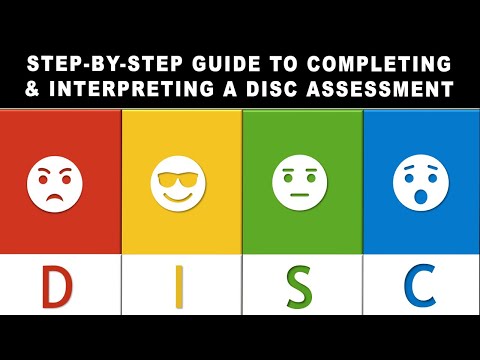
So, the DISC Method stands for four main personality types: Dominance, Influence, Steadiness, and Conscientiousness. Every person has a mix of these traits. Depending on where you fall on that spectrum, it can really impact how you handle stress, relate to others, and make decisions.
How Does it Work?
The idea is pretty simple. You take a questionnaire and it shows which traits are stronger for you. Here’s a quick overview of each type:
The Role of DISC in Mental Health
Now that we’ve broken down the types, how does this all tie back to mental health? Well, knowing your DISC profile helps in so many ways!
For starters, understanding your personality can help you identify Your Triggers. For example, if you’re a Dominant person who hates feeling powerless at work, knowing that helps you find healthier ways to cope when things get tough.
It also plays into relationships—both personal ones and professional ones! For instance, if you’re a high Influencer trying to communicate with a Steady individual who’s uncomfortable with rapid changes, realizing that difference can create some serious empathy between you two.
And hey—this insight doesn’t just help with interpersonal stuff; it can also inform how one approaches therapy! Some therapists use the DISC profile as part of their approach to tailor strategies that resonate best with their clients’ personalities.
The Bottom Line
In short? The DISC Method isn’t just about filling out a questionnaire—it’s about understanding yourself better so that you can navigate life’s ups and downs more smoothly. Plus it brings clarity into why some interactions might feel tricky or why certain environments raise your anxiety levels.
Using the DISC Framework gives everyone a unique lens through which they can view not only themselves but also their relationships with others while enhancing their mental well-being along the way. So if you’ve been feeling lost in understanding your emotional landscape or those around you, diving into your DISC profile could be worthwhile!
Unlocking Insights: A Guide to Interpreting Your DISC Results for Personal Growth
The DISC personality profile is like a fun map to understand yourself better. It categorizes behaviors into four main types: Dominance, Influence, Steadiness, and Conscientiousness. Each type provides insights into how you think, feel, and act. So, how do you make sense of your DISC results? Let’s break it down.
D is for Dominance. If you scored high here, you’re probably assertive and confident. You might take charge in situations and aren’t afraid to tackle challenges head-on. But beware! This can sometimes lead to impatience or becoming overly competitive. Think about how this affects your interactions with others. Do you push people too hard? Finding that balance can be key.
I stands for Influence. Those scoring high in this area tend to be social butterflies who love communicating and inspiring others. You might find joy in teamwork but can sometimes struggle with follow-through on tasks. Consider how your eagerness impacts productivity. Are your relationships supportive enough? Strengthening those connections could help enhance your focus.
S is for Steadiness. If you’re strong in this area, you value harmony and stability. You’re the reliable friend everyone appreciates! However, being too accommodating might leave you feeling overlooked or burnt out. It’s crucial to recognize when to stand up for yourself without losing that caring nature.
C represents Conscientiousness. High scorers here are detail-oriented and methodical thinkers who thrive on organization and structure. While this can mean excellent work quality, it might also lead to analysis paralysis—getting stuck overthinking decisions instead of acting on them. Reflecting on areas where flexibility could benefit you may open new doors.
To sum up:
- Recognize strengths and weaknesses within each trait.
- Reflect on how these traits affect relationships.
- Set personal growth goals aligned with your DISC results.
- Practice self-awareness by noticing reactions in various situations.
- Seek feedback from trusted friends or family about their perceptions.
So really take time to explore what makes you tick based on your DISC results! Each type has its own beauty and flaws; recognizing them helps cultivate a richer understanding of yourself—and ultimately leads to growth in both personal and professional realms!
Unlock Your Potential: Understanding the DISC Personality Test for Personal Growth
The DISC personality test is all about understanding your unique style and how you interact with the world. It breaks things down into four main personality types: Dominance, Influence, Steadiness, and Conscientiousness. Each type offers a different perspective on behavior and communication.
Dominance folks are assertive and results-driven. They like challenges and tend to lead with confidence. If you know someone who thrives in a competitive environment, they might be high in this trait. For example, think of someone who loves taking charge during group projects—yep, that’s a classic D trait right there.
On the other hand, we have Influence. These people are all about social interactions and building relationships. They’re enthusiastic and often inspire others. Ever met someone who lights up the room with their energy? That enthusiasm typically points to an Influencer.
Then there’s Steadiness. This type is dependable and calm, often acting as the peacemakers in a group. They’re great listeners and value stability over chaos. If you find yourself being the mediator among friends during heated discussions, you might identify here!
Lastly, Conscientiousness types focus on accuracy and quality. They’re detail-oriented thinkers who love systems and structure. Think of that friend who triple-checks their work before submitting it for review—that’s definitely a C person!
Recognizing your own DISC style can lead to personal growth by helping you understand your strengths and weaknesses better. It also promotes empathy towards others’ differences—you learn that not everyone approaches life like you do.
When it comes to mental health, knowing your DISC profile helps identify areas where you can grow or adjust your behavior for healthier relationships. For instance, if you’re predominantly a Dominant type, you might struggle with patience when working with Steady types since they prefer taking their time to process information.
The beautiful thing about DISC is its flexibility; it’s not about boxing people in but understanding them better so they can thrive personally and professionally. You could take it all in stride or find ways to push past your comfort zones!
If you’re curious about how this fits together or want to figure out how to apply these insights in real life—just take some time for self-reflection or grab a friend for some fun discussions! Discovering more about yourself through these lenses can be transformative and super enriching on your journey towards personal development!
You know, the DISC Personality Profile is one of those things that feels like it just makes sense. It’s not all that complicated, really. It breaks people down into four main types: Dominance, Influence, Steadiness, and Conscientiousness. Each of these types has its own strengths and weaknesses, and when it comes to mental health, understanding this can be super helpful.
I remember chatting with a friend who was really struggling with anxiety. She felt overwhelmed in social situations—a classic “C” type who prefers order and predictability. When we dug deeper into her personality profile, it was like a light bulb went off! We realized she needed more structured environments where she could feel safe expressing herself without unexpected surprises. This insight didn’t magically make her anxiety disappear, but it gave us a starting point for finding coping strategies that fit her personality.
The thing is, DISC isn’t just about fitting people into neat little boxes; it’s more like a lens to help you understand behaviors and reactions. For example, someone with a high “D” might handle stress by taking charge and pushing through challenges head-on. But if you’re more of an “S,” you might withdraw or seek comfort from others when things get tough.
In therapy or counseling contexts, knowing someone’s DISC type could really shape the approach taken by the therapist. They can tailor communication styles or suggest coping mechanisms that resonate better with their clients’ personalities. If you have a more expressive personality type—like an «I»—you might thrive on talking through your feelings in an open-ended way. On the other hand, if you’re more of a “C,” maybe you’d prefer writing things down first or having structured sessions where goals are clearly defined.
When we think about mental health treatment as something that’s one-size-fits-all, we’re really missing out on the richness of individual experience. Personalities play such a huge role in how we process emotions and handle life’s curveballs.
So maybe there’s something to this DISC thing after all! It’s not just another psychological tool but rather an insightful way to relate to ourselves and others better—especially when navigating the complicated waters of mental well-being.