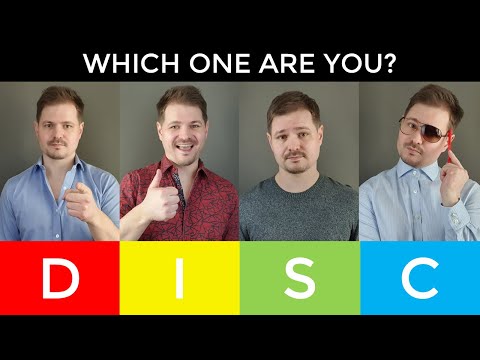
Hey! So, have you ever heard of DISC profiles? They’re kinda like personality types, but instead of just saying “I’m an introvert” or “I’m extroverted,” they break it down into four main styles: Dominance, Influence, Steadiness, and Conscientiousness.
I mean, it’s super interesting how these profiles can actually give us some insight into our mental health. You know? Like, it can help you understand why you react in certain ways or maybe even struggle with specific feelings.
Think about it. When you know your style, suddenly everything makes a bit more sense. It’s like putting on glasses for the first time and seeing clearly! So let’s chat about how these profiles work and what they reveal about our emotional lives.
Understanding the DISC Method: A Guide to Enhancing Mental Health and Self-Awareness
The DISC method is a pretty interesting way to understand ourselves and others. It’s based on four main personality traits: Dominance, Influence, Steadiness, and Conscientiousness. This system helps you get a clearer insight into how you behave in different situations and interact with other people.
Why is that important for mental health? Well, understanding your personality type can really boost your self-awareness. And when you know yourself better, you’re more likely to make choices that support your mental well-being.
- Dominance (D): If you’re high in this trait, you might be assertive and goal-oriented. But too much dominance can lead to stress or conflict in relationships.
- Influence (I): This trait is all about socializing and persuasion. If you’re strong here, you likely enjoy being around others but may struggle with patience.
- Steadiness (S): Individuals with this trait often seek harmony and consistency. While that’s great for creating stability, it can also mean avoiding necessary change.
- Conscientiousness (C): Those who score high in this area value precision and detail. This is good for tasks but might lead to overthinking or analysis paralysis at times.
Let me share a quick story here—imagine Sarah, who scored high on Steadiness and Conscientiousness. She was always the one keeping the peace during family gatherings but often felt overwhelmed by everyone else’s expectations. By recognizing her traits through the DISC method, she started setting boundaries while still being supportive of her loved ones.
Going deeper into our DISC profiles can also help us navigate our emotional experiences better. For example:
- If you’re a D type dealing with stress, you might respond by pushing harder instead of taking a break.
- I’s could retreat socially when they feel down instead of reaching out for support.
- S types might become stubborn when faced with change because they crave stability.
- C types could become paralyzed by their need for perfection when tasks don’t go smoothly.
Also important is how DISC provides a common language for talking about personalities. This comes in handy during therapy sessions or team-building activities where understanding each other leads to better communication.
So yeah, if we take a closer look at our DISC profile and recognize how it affects our thoughts and actions, we open the door to personal growth. You start to see patterns in your behavior—both positive ones that help you thrive and those that might hold you back.
In summary: The DISC method isn’t just about labeling ourselves; it’s about using those labels as tools for growth. Enhance your mental health by embracing what makes you tick—your quirks can lead to better relationships and a clearer mind!
Understanding the Differences Between DISC and Insights: A Comprehensive Comparison
The DISC and Insights profiles come from different backgrounds but both aim to help people understand their behaviors and those of others. Kinda cool, right? They give us lenses to see ourselves more clearly in social interactions and workplaces.
DISC stands for four primary personality traits: Dominance, Influence, Steadiness, and Conscientiousness. It’s like a map for understanding how people react to challenges and interact with others. Picture a coworker who always pushes forward in meetings. That’s a high Dominance trait! Or someone who loves to connect with everyone—totally Influencing the vibe of the team.
On the other hand, you’ve got Insights, which is another approach but has more layers. It revolves around colors—Red, Blue, Green, Yellow—representing different personality types. Think of Red as assertive and driven while Green is all about being supportive and friendly. The cool thing here is that it combines elements from DISC but mixes them up in a colorful way that resonates with many people.
When you’re looking at the differences, it’s really about the language used and how each system helps you connect with yourself and others:
- Focus: DISC zooms in on behavior patterns whereas Insights leans more toward emotional responses.
- Structure: In DISC, it’s all about four main traits; Insights offers a broader spectrum with its color theory.
- Depth: DISC gives solid ground for understanding work styles; Insights digs into motivations and values.
- Use Cases: While DISC often shines in corporate settings for team dynamics, Insights is widely used in coaching, schools, and personal development.
You may have heard how these tools can be game-changers in therapy or coaching settings. For example, if you’re struggling with communication issues at work—a therapist might use DISC profiles to help you identify what your style is versus your colleagues’. Understanding your strengths can boost your confidence!
But wait! With Insights you’d get deeper into how emotional drivers affect your interactions too. Are you responding out of stress or anxiety? Those colors can shed light on emotional traps that keep you stuck.
To sum it up: both systems are valuable for self-awareness but focus on slightly different things. Using them together could provide rich insights into behavior patterns AND emotional triggers alike! So whether you’re trying to bond better with coworkers or just wanna understand yourself a bit more—these tools have got your back!
Unlocking Potential: Understanding the Purpose of DISC Profiling in Personal and Professional Development
Understanding DISC profiling is all about digging into how you and others tick, both personally and professionally. So, what’s the deal with it? Well, it’s a tool that categorizes our behavior into four main types: Dominance, Influence, Steadiness, and Conscientiousness. Each type has its own strengths and weaknesses, helping you grasp your own tendencies as well as those of others around you.
Dominance folks tend to be assertive and goal-oriented. They love challenges and are often seen as natural leaders. But sometimes they can come off a bit too strong or impatient. If you’ve ever worked with someone who dives headfirst into every project without thinking it through, you’re probably dealing with a Dominant type!
Then there’s the Influence crowd. These are the social butterflies who thrive on interaction and enthusiasm. They’re great at building relationships but might struggle with details or follow-through. Picture that one friend who lights up the room but always forgets to send out invites—classic Influence behavior!
Next up is Steadiness. People in this category are calm and dependable. They’re team players who value harmony, which is great for making everyone feel included! But sometimes they avoid conflict at all costs, which can lead to problems when tough conversations need to happen.
Lastly, we have the Conscientiousness types. These individuals are analytical and detail-oriented—think of that one coworker who double-checks everything before hitting “send.” While their attention to detail is invaluable, they might sometimes be perceived as overly critical or rigid.
So why does this matter for mental health? Well, self-awareness plays a huge role in emotional well-being. Understanding your DISC profile helps you recognize your own patterns of behavior and how they impact your relationships. You become more attuned to how you communicate when you’re stressed or overwhelmed.
In terms of professional development, using DISC profiles can help teams work better together. When team members understand each other’s styles, they can adjust their communication accordingly—leading to fewer misunderstandings and better collaboration.
Imagine a team where everyone knows each other’s quirks! That makes for smoother projects and less drama at work (who doesn’t want that?). Plus, leaders can leverage this knowledge for better management strategies tailored to individual needs.
And here’s another thing: using DISC profiling isn’t just about improving teamwork; it also feeds into personal growth goals too! Understanding where you fit helps highlight areas for improvement—like if you’re an Influence type wanting to get better at time management.
So, let’s chat about DISC profiles and how they relate to mental health. You know, the DISC model breaks down personality into four main styles: Dominance, Influence, Steadiness, and Conscientiousness. It sounds kind of technical, but it’s really just a way to understand ourselves and how we interact with others.
Imagine you’re at a party. There’s always that one person who just takes charge—organizing games or leading conversations. That’s your Dominant type. Then there’s the social butterfly, flitting around and chatting with everyone: the Influencer. You’ve got the steady soul who keeps things calm; that’s your Steadiness type. And finally, there’s the detail-oriented person in the corner, double-checking everything—your Conscientious friend.
Now here’s where it gets interesting. When we understand our own DISC profile and those of others, it can really shed light on how we deal with stress or tough situations in our lives. Like, think about a time when you felt overwhelmed—maybe you shut down or got super anxious? Recognizing your style can help you figure out why you reacted that way.
For instance, if you’re a Dominant type and find yourself in an endless meeting without any clear direction, frustration might bubble up pretty quickly. On the other hand, if you’re more of a Steady type in that same meeting, you might just go along with it to avoid conflict—even if it drives you nuts inside! It’s all about those little tendencies that shape our reactions and emotions.
And here comes the emotional part for me—I once had this epiphany while working on a team project at work. We were all stressing over deadlines and decisions were getting heated. I realized I was trying to control everything because my Dominant side kicked in big time! But instead of rallying everyone together, I unintentionally pushed people away by not considering their feelings—which brought even more stress into the mix.
Understanding DISC profiles helped me step back and realize my need for control wasn’t as important as fostering collaboration among my teammates. I started listening more and adapting my approach which eased tensions (and made us way more productive).
So yeah, while DISC profiles aren’t going to replace therapy or deep self-reflection—they can definitely provide those insights that help us navigate our emotions better. They give us a different lens to look through when trying to understand ourselves or our relationships with others.
Just knowing there are different ways people perceive situations can make all the difference in how we connect emotionally—and let’s face it: connection is what we all crave!