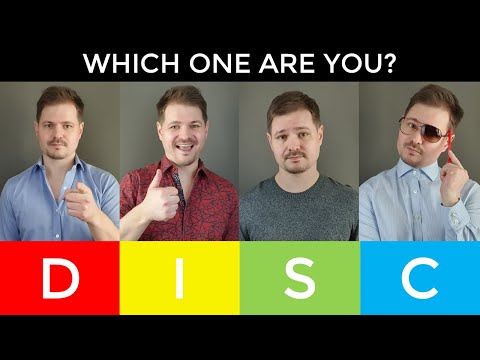
You know how everyone has their own vibe? That’s what the DISC profile is all about. It’s like a personality map that helps us understand ourselves and others.
So picture this: you’re at a party, and there’s that one friend who just lights up the room. Then there’s the chill one in the corner, taking it all in. Different strokes for different folks, right?
It turns out these personality types can totally change how we deal with mental health stuff. Seriously, knowing your type can help you figure out why you react to stress in certain ways or why some things just hit harder than others.
Let’s dig into each DISC type and see how they connect to our emotional worlds. You might just discover something surprising about yourself!
Discover the Key Insights of DiSC: Understanding Its Traits for Better Mental Health and Communication
The DiSC model is like this neat little tool that helps you understand yourself and other people better, especially when it comes to communication and mental health. So, let’s break this down a bit, okay?
What is DiSC?
DiSC stands for Dominance, Influence, Steadiness, and Conscientiousness. Each of these traits represents different ways that people typically behave and interact. Knowing where you or someone else falls on the DiSC spectrum can help improve both personal relationships and workplace dynamics.
Dominance
People with a Dominance trait are often seen as assertive and confident. They like control and can be quite direct in their communication. For instance, think about that friend who always takes charge of group decisions—you know they mean well, but sometimes it feels like they’re steamrolling over others. In terms of mental health, those high in Dominance might struggle with patience when things don’t move as quickly as they want.
Influence
Next up is Influence. These folks are outgoing, enthusiastic, and love connecting with others. You know the person who brings everyone together for a night out? That’s them! While this energy can be infectious, sometimes they may find it hard to focus on tasks that don’t involve social interactions—leading to feelings of frustration or anxiety when they’re alone or in quiet situations.
Steadiness
Then we have Steadiness individuals who are calm and supportive. These guys value harmony and stability above all else. Picture the friend who’s always there to listen without judgment—it’s comforting! But there can be downsides; if they’re too accommodating or avoid conflict altogether, it could lead to resentment building up inside them.
Conscientiousness
Finally, there’s Conscientiousness. People with this trait pay attention to detail and strive for accuracy in everything they do. Think about your super organized friend who always has everything planned out perfectly! But being too focused on details might lead them to feel overwhelmed by analysis paralysis or stress if things don’t go as planned.
Mental Health Contexts
Understanding these traits can significantly impact mental health discussions because different types may deal with stress differently. For example:
- Dominant types might approach stress head-on but also risk burnout.
- Influential types may seek social support but could feel isolated if their friends aren’t available.
- Steady types often struggle during chaotic times because change disrupts their comfort zone.
- Conscientious individuals, on the other hand, might find the need for perfection overwhelming at times.
Knowing these traits helps in tailoring communication styles based on others’ needs while also enhancing your own self-awareness! Imagine how much smoother conversations could be if you knew someone thrived on being direct versus needing a gentle approach!
So really, using the DiSC model isn’t just about labels; it’s about gaining insights into behaviors so you can navigate relationships better. Whether you’re looking for personal growth or smoother teamwork at work—it’s worth considering how these traits show up in everyday life!
Understanding the DiSC Method: A Powerful Tool for Enhancing Mental Health and Well-Being
The DiSC Method is pretty interesting, you know? It’s not just some fancy tool used in workplaces or team-building exercises. This method really digs into human behavior and how everyone interacts. At its core, it’s all about understanding personality types and figuring out how those types influence our mental health and well-being.
So, the DiSC framework breaks people down into four basic types: D, I, S, and C. Each of these letters represents a different style of communication and behavior. Here’s a quick intro to each type:
- D (Dominance): Those with a high D are usually direct, results-oriented, and assertive. They want quick solutions and can sometimes come off as abrasive. If you’re a D, managing stress might mean learning to slow down a bit.
- I (Influence): I-style folks are sociable, enthusiastic, and love being around others. They thrive on interaction but can sometimes struggle with focus. For them, creating supportive social networks can boost their mental health.
- S (Steadiness): S types are patient, calm, and good listeners. They value harmony but may find it tough to handle conflict or change. Stress management here might need some assertiveness training to speak up when needed.
- C (Conscientiousness): These individuals are analytical, detail-oriented, and thorough. They fear mistakes or criticism which can lead to anxiety or perfectionism. Finding balance between high standards and self-compassion is crucial for their mental well-being.
Understanding your own DiSC profile can really help you identify your strengths and weaknesses in social settings or at work. Like imagine someone who tends to be a D type—their drive could be great for getting things done but might push them into burnout if they don’t recognize when to take a break.
Think about that friend who’s a total I—always the life of the party! But maybe they feel pressured to keep everyone entertained all the time? Recognizing this pattern could help them step back when they need some “me” time instead of burning out trying to please everyone.
When we look at DiSC profiles through the lens of mental health, it becomes clearer how important this understanding is in therapy too. A therapist familiar with the DiSC method could tailor their approach based on your profile type. So if you’re an S with anxiety around new situations? The therapist might focus on building gradual exposure strategies that respect your natural pace.
And here’s the thing: since we’re all unique blends of these styles—most people won’t fit neatly into one category—it helps to think of DiSC as more like a spectrum rather than strict boxes. That way you honor your individual quirks while still finding ways to relate better with other people.
Ultimately, embracing the DiSC Method not only enhances your self-awareness but also boosts empathy toward others’ behaviors too. It creates space for better communication and understanding which is essential for nurturing mental health!
So whether you’re using it in personal relationships or at work, tapping into this method can lead to healthier interactions overall—and that’s something we could all use more of!
Unlocking the Power of DiSC Insights: Understanding Personality Types for Better Communication and Collaboration
Understanding personality types can seriously change the way we communicate and work with each other. You know how sometimes, you just click with someone, and other times it feels like you’re speaking different languages? That’s where the DiSC model comes in. It’s a tool that breaks down personalities into four main types: Dominance, Influence, Steadiness, and Conscientiousness. Each type has its own style of thinking and behaving.
Let’s break it down a bit:
- Dominance (D): These folks are all about results. They like to take charge and don’t mind a little competition. They tend to be assertive and may come off as blunt. If you’re working with someone who scores high in this area, try to be direct and concise with them.
- Influence (I): If you know someone who lights up a room when they walk in, that’s likely an Influencer! They thrive on social interactions and love sharing ideas. Engaging them socially can open up lines of communication. Just be ready for lots of chatter!
- Steadiness (S): These guys are your calm peacemakers. They value harmony and are great listeners. If you need stability in a team, people high in Steadiness can help create a supportive atmosphere where everyone feels heard.
- Conscientiousness (C): Think of the detail-oriented people who double-check every document or plan everything out meticulously—that’s Conscientiousness for ya! They appreciate accuracy and can guide teams toward thoughtful decision-making.
The thing is: Everyone brings something unique to the table. Imagine you’re working on a project at work or school; knowing someone’s DiSC type can help you navigate those tricky group dynamics. Like, if you’re paired with someone high in Dominance who wants things done yesterday, while you’re more of an S type who prefers consensus—well, that could lead to frustration if not understood.
Let me share a quick story: A friend once teamed up for a class project with two really different personalities—a D type who wanted to take charge right away and an I type constantly brainstorming new ideas but struggling to focus on one direction. Initially, they butted heads constantly! But once they recognized each other’s strengths through their DiSC profiles? Bam! They learned to collaborate more effectively by balancing assertiveness with creativity.
This insight isn’t just useful for teams or workplaces; it also resonates in therapy settings. Understanding these personality types helps therapists tailor their strategies for each client based on how they naturally communicate and process emotions.
So yeah, whether at work or dealing with personal relationships, recognizing these differences makes such a difference! The more we understand ourselves and others through tools like DiSC insights, the better prepared we are for effective communication and genuine collaboration—it really is unlocking something powerful!
You know, DISC profiles are something people often talk about in team buildings and workplace dynamics, but they can be super helpful in understanding ourselves and others in a mental health context too. So, let me break it down a little for you.
The DISC model categorizes personalities into four types: Dominance (D), Influence (I), Steadiness (S), and Conscientiousness (C). Each of these types has its own unique strengths and challenges. And when it comes to mental health, knowing this stuff can really give us some valuable insight.
Let’s say you’re a “D” type—someone who likes taking charge and being in control. You might struggle with stress because you constantly feel the need to be on top of everything. That pressure can lead to anxiety or even burnout if you’re not careful. It’s kinda like that friend we all have who always wants to plan everything, gets stressed out when things don’t go their way, but is also super inspiring because they get stuff done!
On the other hand, if you’re an “S” type—someone who’s all about harmony and support—you might feel overwhelmed when conflict arises. Your natural tendency to avoid confrontation can lead to bottled-up feelings. It’s like when you’re at a party, everyone’s having fun, but there’s that one argument brewing in the corner; it just hangs heavy in the air until someone finally addresses it.
And then there are “I” types; they thrive on social interaction! Fun-loving and expressive! But hey, sometimes they may struggle with staying focused or dealing with deeper emotions. Imagine being at a family gathering where everyone is sharing heartwarming stories while one person is cracking jokes just to lighten the mood—they’re great at deflecting but could be hiding their own feelings beneath that laughter.
Finally, there’s the “C” type—people who value precision and organization. They often think critically about situations but maybe find it hard to connect emotionally with others. Picture someone meticulously planning every detail for an event while feeling like they can’t share their own vulnerabilities. It’s tough; they might appear distant just because they’re trying so hard to get everything right.
So yeah, understanding these profiles helps normalize our experiences and sheds light on why we react the way we do. It allows us not only to understand ourselves better but also helps create empathy towards others. When we realize someone’s traits come from their personality type rather than any personal flaw, it makes communication smoother—kinda cool how that works!
Basically, using the DISC framework in mental health isn’t just about labels; it’s about enhancing awareness—yourself included—and fostering healthier relationships along the way!