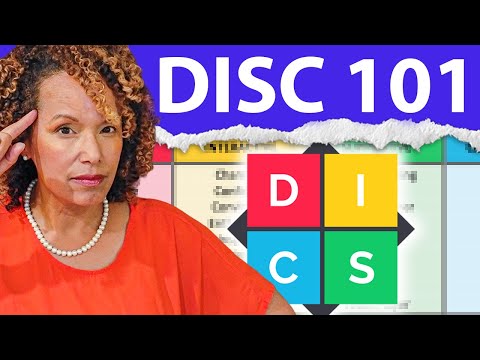
You know, sometimes it feels like we’re all just trying to understand ourselves a bit better. Like, what makes you tick? What drives you up the wall? Well, that’s where tools like the DISC test come in.
It’s this cool assessment that dives into your personality traits and behavior styles. Seriously, it’s not just some random quiz; it’s got some real weight in figuring out how we connect with others and handle our feelings.
Imagine being able to pinpoint why you react the way you do in certain situations! Pretty neat, right? So, let’s chat about how this test can play a role in mental health assessments. It could really shine a light on what’s going on inside your head.
Unlocking Self-Awareness: The Importance of the DISC Assessment in Mental Health and Personal Growth
Self-awareness is like having a superpower, right? It helps you understand your thoughts, feelings, and behaviors. The better you know yourself, the more you can make choices that boost your mental health and personal growth. One tool that can help with this exploration is the DISC assessment. It’s pretty popular in both personal and professional settings.
The DISC assessment breaks down human behavior into four basic styles: **Dominance, Influence, Steadiness**, and **Conscientiousness**. Each style has its strengths and weaknesses. Recognizing where you fall on this spectrum can really open your eyes to how you interact with others.
Dominance refers to being assertive and goal-oriented. For example, if you’re the type who dives headfirst into challenges, knowing this about yourself helps you realize that sometimes you might steamroll over others’ opinions. Understanding this tendency allows for adjustments in communication that can prevent misunderstandings.
Then there’s Influence. This is all about being social and persuasive. If you thrive on connections but find it hard to settle down and focus sometimes, then the DISC can help explain these patterns in your behaviors—like why group projects stress you out more than individual ones.
Next up is Steadiness, which embodies patience and calmness. If you’re more reserved or prefer stability, then awareness of these traits might explain why sudden changes can throw you off balance. Acknowledging this can lead to finding ways to ease transitions in your life.
Finally, there’s Conscientiousness, which emphasizes organization and accuracy. If you’re inclined to overanalyze things or struggle with perfectionism, realizing this trait through DISC could guide your approach toward setting realistic goals for yourself without falling into those mental traps.
But how does all of this relate to mental health? Well, boosting self-awareness through tools like DISC allows you to identify areas of improvement or stressors in your life—whether it’s work-related or personal relationships.
Imagine feeling overwhelmed at work because a project requires collaboration. If you’re naturally dominant but unaware of it, you might unintentionally push colleagues away instead of fostering teamwork. Self-awareness lets you tweak that approach based on what you’ve learned from the assessment; maybe asking for input instead of just giving orders will lead to better results—and less stress.
Ultimately, using something like the DISC assessment enhances emotional intelligence too! You learn not only about yourself but also about how others operate—this knowledge creates greater empathy in relationships. Building connections becomes easier when people understand each other’s quirks!
In summary: the DISC assessment isn’t just a fun quiz; it can seriously impact your journey toward better mental health by providing insights into who you are at a core level! Those «aha!» moments when patterns click together are golden for personal growth, aren’t they? Embracing them opens up paths for development that really align with what you’ve learned about yourself through such evaluations.
Understanding the DISC Method: A Key Tool for Enhancing Mental Health and Well-Being
The DISC Method is all about understanding behavior, you know? It’s a popular tool that breaks down how people interact based on four key personality traits. These traits are Dominance, Influence, Steadiness, and Conscientiousness. So basically, this method helps us get a clearer idea of not just who we are, but how we relate to others.
Dominance is about control and assertiveness. People who score high here are usually direct and competitive. They want results and don’t mind taking charge of situations. For instance, think of someone you know who’s always leading meetings or pushing to get things done quickly—that’s classic Dominance.
Then there’s Influence. This trait focuses on social interaction and communication. If you’re high in this area, you likely enjoy connecting with others and thrive in group settings. You might be the one bringing snacks to the office or the life of the party—just someone people gravitate toward.
Now Steadiness is all about patience and calmness. Those who excel here are generally very supportive and empathetic. They’re the friends who listen without judging when you’re having a rough day or the co-workers that help keep team morale up when things get tough.
Finally, there’s Conscientiousness. This trait emphasizes precision and quality. People in this category often pay great attention to detail and work methodically to achieve goals—they might annoy you sometimes by double-checking everything!
So why does this matter for mental health? Well, by understanding where you fall within these traits, it can lead to greater self-awareness. You see your own strengths and weaknesses more clearly. This awareness can help reduce anxiety because knowing yourself better means you’re less likely to be thrown off by unexpected situations.
Let’s say you score high in Dominance but low in Steadiness. You might find it hard to relate to those slower-paced colleagues who approach tasks with extra caution. Recognizing these differences can help improve communication at work or home.
Also, understanding other people’s DISC styles allows for better relationships overall! Imagine your partner tends towards Influence while you’re more Conscientious; knowing this may help you communicate better during heated discussions over trivial matters like where to eat dinner.
In therapeutic settings, mental health professionals often use the DISC assessment as part of their evaluation process—it helps them customize therapy approaches that fit individual personalities better; it isn’t just about diagnosing symptoms but really tailoring care based on unique needs.
In sum, embracing the DISC Method could be a game-changer for mental well-being! It promotes empathy not just toward ourselves but also toward those around us—because let’s face it: Everyone’s got their quirks!
Understanding Disk Analysis: Its Purpose and Benefits for Mental Health Insights
So, let’s talk about the DISC test and how it ties into mental health assessments. You’ve probably heard of it before. If not, no worries—it’s not as complicated as it sounds. Basically, the DISC test is a personality assessment that helps you understand your behavior and communication style by categorizing you into four main traits: **Dominance, Influence, Steadiness**, and **Conscientiousness**.
Purpose of the DISC Test
The whole point of the DISC test is to give you some insights into how you interact with others. It’s kinda like getting a little cheat sheet on your personality! Whether you’re in therapy or just looking to improve your relationships, understanding these traits can be a game changer.
Here are some key aspects of why it’s used in mental health assessments:
- Self-awareness: The test helps you recognize your strengths and weaknesses.
- Communication Improvement: By understanding your style, you’ll be better equipped to communicate with others.
- Conflict Resolution: Knowing how you react under stress can help defuse situations before they escalate.
- Goal Setting: You can set personal or professional goals based on what you’ve learned about yourself.
Benefits for Mental Health
Now let’s get into why all this matters for mental health. Having insights into your personality can really help when you’re working through emotional struggles or trying to connect with others.
Take Jennifer, for instance. She had been feeling overwhelmed because her boss kept giving her tasks without considering her input. After taking the DISC test, she discovered she had high «Steadiness» traits but low «Dominance.» This meant she often avoided conflict but also wasn’t assertive enough in voicing her needs. Realizing this helped her navigate better conversations with her boss—and even led to a more balanced workload!
- Enhanced Relationships: Understanding yourself boosts empathy toward others.
- Mental Clarity: Knowing how different situations affect you helps reduce anxiety.
- Coping Strategies: You might find new ways to handle stress based on your personality type.
- Team Dynamics: If you’re part of a team, this insight can improve collaboration and decrease misunderstandings.
In a nutshell, the DISC test isn’t just a fun quiz—it offers valuable insights that can lead to personal growth and improved mental well-being. So whether you’re using it in therapy or just out of curiosity, there’s plenty to gain from understanding how your unique traits play out in real life!
The DISC test—ever heard of it? It’s that personality assessment tool you see popping up in different settings, from workplaces to personal development workshops. Basically, it sorts people into four main styles: Dominance, Influence, Steadiness, and Conscientiousness. Each of those styles reflects how we interact with the world and handle stressors.
So why does that matter for mental health assessments? Well, think about it this way: when you understand your own style and those of others, it’s like having a map to navigate relationships and emotional responses. For instance, if you’re more of a «D» type—someone who’s assertive and goal-oriented—you might struggle with frustration when things don’t go your way. Recognizing that could be the first step toward managing feelings better.
I remember a friend who took the DISC test during a particularly rough patch in her life. She had been feeling super overwhelmed at work and was constantly irritable at home. After she found out she was high in «C,» she realized that her need for control was clashing with a chaotic environment. It was such an eye-opener! Understanding herself helped her communicate her needs more openly to her boss and family, which eased some of the tension.
Of course, it’s not a cure-all or anything like that. The test is just one piece of the puzzle when it comes to mental well-being. It’s essential to use tools like DISC as part of a broader strategy—think therapy or support groups—that helps in unpacking deeper emotional issues.
But still, knowing your style can make navigating certain situations easier, too. Like if you’re talking to someone who embodies «I» traits—those sociable types who thrive on connection—you might adjust how you approach conversations with them based on their needs.
In essence, while the DISC test isn’t going to diagnose anxiety or depression outright, it can offer valuable insights into behavioral patterns that impact mental health over time. And hey, any tool that helps us understand ourselves better is worth considering!