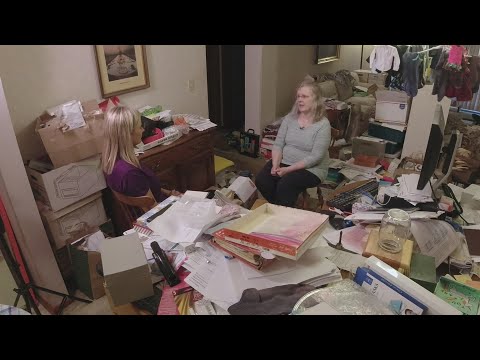
You know that friend whose place looks like a scene from a reality show? Just stuff everywhere, right? It can be pretty wild.
Hoarding isn’t just about having a messy house. Seriously, it runs way deeper than the clutter. There’s some heavy emotional stuff tied to it.
People often think hoarders are simply disorganized, but there’s so much more going on behind the scenes. Like, what drives someone to hang onto every little thing?
In this chat, we’re gonna dig into those hidden psychological risks. Trust me, it’s kind of an eye-opener. So let’s get into it!
Understanding the Impact of Hoarding on Mental Health: Insights and Effects
Hoarding can feel like this heavy weight on your chest, right? It’s not just about having too much stuff. It goes way deeper than that. People who hoard often struggle with mental health issues, and those can seriously affect their daily lives.
When we talk about hoarding, we’re really looking at a complex web of emotional and psychological factors. For instance, many hoarders experience anxiety or depression. The act of collecting and holding onto items can feel like a safety net for them. They believe these possessions offer comfort or security, even if it leads to chaos in their living spaces.
The emotional toll of hoarding is significant. Imagine feeling so overwhelmed by your belongings that it’s hard to invite friends over or even find a place to sit on the couch. Stress levels rise, and loneliness creeps in as social interactions dwindle. It’s not just clutter; it’s isolation too.
You might wonder why someone would hang onto things like old newspapers or broken appliances. Well, for many people affected by hoarding disorder, these items hold deep meaning—even if that meaning isn’t clear to others. Let’s say someone keeps every birthday card they’ve ever received. To them, each card represents love and connection; tossing them feels like losing those memories.
Social implications also come into play when discussing the effects of hoarding on mental health. Family members often feel frustrated and helpless trying to support loved ones with this issue. They may not know how to offer help without coming off as judgmental. Imagine standing in your family’s home filled with boxes while your loved one is fixated on keeping every single item—it can spark arguments and create rifts.
On the flip side, addressing these patterns doesn’t have to be completely daunting! Therapy can be incredibly helpful for those dealing with hoarding tendencies. Cognitive-behavioral therapy (CBT), specifically adapted for hoarding disorder, has shown promising results for many people trying to reclaim their space and mental well-being.
Just remember: recovery from hoarding isn’t about throwing everything out overnight; it’s really more about finding balance and understanding one’s emotional connections to belongings.
In summary, hoarding influences mental health in profound ways—shaping emotions, relationships, and daily living experiences. The journey towards understanding this behavior is critical not only for those who struggle but also for friends and family wanting to help without pushing them away further. Compassion goes a long way in navigating such sensitive territory!
Understanding the Psychology of Hoarding: Unraveling the Mind Behind Excessive Clutter
Hoarding is one of those things that can leave you scratching your head, right? So many people think it’s just about messy rooms or a lot of stuff lying around. But honestly, it’s way deeper than that. Let’s untangle this together.
What is Hoarding?
It’s sort of like an emotional safety net. For some folks, the stuff they collect holds meaning or memories. They might think they *need* these items for future use—even if they haven’t touched them in years. This behavior isn’t just about clutter; it often connects to feelings of anxiety or fear.
The Emotional Side
Imagine a situation where you’ve lost something important, like a family photo or a treasured gift. The feeling can be overwhelming. For many people who hoard, this fear intensifies when it comes to their possessions. They worry that throwing things away means losing part of themselves or their past.
When I was talking to someone who struggled with hoarding, she shared that every item felt like a part of her life story. Even broken items were tough for her to let go because each piece carried a memory. It’s like holding on to pieces of yourself scattered around your home.
Psychological Health Risks
Hoarding can really impact mental health in various ways:
- Isolation: A hoarder often feels embarrassed by their living situation, which can lead to withdrawing from friends and family.
- Anxiety and Depression: The never-ending cycle of collecting and the chaos at home can cause serious emotional distress.
- Decision-Making Difficulties: Many hoarders struggle with making decisions, even about small things, which makes clearing out clutter feel impossible.
When someone gets stuck in this pattern, everyday tasks become overwhelming. Just think about trying to find a clean spot on the couch—can you imagine how frustrating that would be?
The Role of Therapy
Therapy can be really helpful for people dealing with hoarding issues. Cognitive Behavioral Therapy (CBT) is often used because it helps folks understand their thought patterns better and challenge those beliefs tied to their possessions.
A therapist might work with someone to explore why certain items are so valuable to them and help them find healthier ways to cope with those feelings—kind of like learning new skills to manage emotions instead of burying them under piles of stuff.
In some cases, medication may also support treatment if anxiety or depression plays a role in the person’s behavior.
So yeah, hoarding isn’t just about having too much junk lying around—it’s really tied to deeper emotional struggles and psychological health risks. Understanding this helps us approach the subject more compassionately rather than jumping straight into judgment mode. Remember that behind every pile could be a story waiting to be told!
Understanding Plyushkin’s Disorder: Symptoms, Causes, and Treatment Options
Alright, let’s talk about Plyushkin’s Disorder, which is basically a term used to describe extreme hoarding behaviors. Named after a character in a Russian novel, this disorder involves collecting and keeping an excessive amount of stuff, often leading to chaotic living conditions. It’s not just about being messy; it’s really a deeper psychological issue.
Symptoms can range from mild to severe. You might see someone holding onto items that most people would just toss out without a second thought. Here are some common signs:
- Inability to throw away items, even if they’re useless.
- Living spaces that are cluttered or unusable due to accumulated belongings.
- Feeling distressed when thinking about parting with possessions.
- A strong attachment to items, often believing they have significant value or importance.
You know how sometimes you can’t find your keys because there’s too much junk around? For someone with this disorder, it’s like that—but on steroids. Their homes can become so packed that they might be unsafe or even uninhabitable.
Causes? They can be complex and vary from person to person. Some factors include:
- A history of trauma or loss—like losing a loved one, which can trigger hoarding as a way of coping.
- Anxiety and depression may fuel the need to hold onto things for security or comfort.
- Cognitive issues such as indecisiveness can make it hard for someone to determine what they actually need.
It’s interesting (and sad) how hoarding often stems from emotional struggles. A friend of mine once knew someone who collected old newspapers because they felt it kept memories alive. But eventually, the piles became overwhelming, causing stress instead of comfort.
When it comes to Treatment Options, there are several approaches that might help:
- Cognitive Behavioral Therapy (CBT) is often used because it helps individuals change their thinking patterns related to their possessions.
- Support groups can provide community and understanding from others who face similar challenges.
- In severe cases, medication might be prescribed, especially if anxiety or depression is also at play.
The road to recovery isn’t easy—it takes time and patience. Each small step towards decluttering can feel like lifting a massive weight off one’s shoulders. It’s important for anyone struggling with this disorder to know they’re not alone and there’s help available.
Plyushkin’s Disorder isn’t just about stuff; it’s connected deeply with emotional well-being and mental health. Understanding the symptoms and seeking treatment can make all the difference for those impacted by this condition!
You know, hoarding is one of those things that kinda flies under the radar for most people. It’s easy to think of it as just a quirky habit. You might even picture someone with stacks of newspapers or old pizza boxes, right? But here’s the thing: it’s not just about the stuff. There’s a lot more that goes on beneath the surface.
Take my friend Sara, for instance. She had this tiny apartment, but you wouldn’t believe how much she crammed in there. It got to the point where walking from her living room to the kitchen felt like navigating a maze. At first, I thought it was just clutter—who doesn’t have a little mess now and then? But talking with her, I started to see that it was more complicated than that. She told me how each item held memories or feelings that made it hard for her to let go. Suddenly, it wasn’t just about stuff piling up; it was like a whole emotional weight was resting on her shoulders.
Hoarding stems from an intense attachment to possessions, making parting with them feel impossible. For some folks, this can be linked to anxiety or past trauma—like they’re clinging onto objects as a way of coping with deeper issues. Imagine feeling overwhelmed by grief or loss and turning your home into a sanctuary for all those “important” things so you don’t have to deal with those feelings head-on.
But here’s where things get tricky: this behavior can lead to serious health risks—both physical and mental. When you’ve got piles everywhere, you’re potentially creating unsafe living conditions; think moldy food left out or blocked exits during emergencies! And mentally? The isolation can be deafening. Sara opened up about how she felt ashamed and embarrassed; she stopped inviting friends over because she didn’t want them judging her space.
So many people don’t realize that hoarding is often tied to anxiety disorders or OCD. It can make regular life tasks feel impossible and really mess with someone’s self-esteem and relationships too. They might isolate themselves more and more as their living conditions become unmanageable.
Addressing hoarding isn’t just about cleaning up—it involves tackling those underlying feelings too! Therapy can help people explore their relationship with possessions and work through emotions they’ve been avoiding for ages.
To sum up (or whatever), hoarding isn’t merely an odd quirk; it’s a serious issue hiding perilous emotional baggage beneath its surface. If you know someone like Sara—or if you find yourself struggling—you don’t have to face it alone! Reaching out for help can make all the difference in turning things around and reclaiming your space—and peace of mind—in the process.