So, let’s chat about something that doesn’t get enough airtime—Disinhibited Social Engagement Disorder, or DSED for short. Ever heard of it? It’s kind of a mouthful, right?
Basically, it pops up in kiddos who’ve had a rough start in life. You know, situations like neglect or constant changes in caregivers. It can be heartbreaking.
Imagine a kid just running up to strangers with open arms and a big smile. Sweet, sure! But also a little worrisome, don’t you think? They might not have that natural instinct to be cautious around new people.
This isn’t just about being friendly—there’s some deeper stuff happening here. And understanding it can totally change how we see these kids and their experiences. So let’s break it down together!
Understanding Love and Connection in Individuals with Reactive Attachment Disorder (RAD)
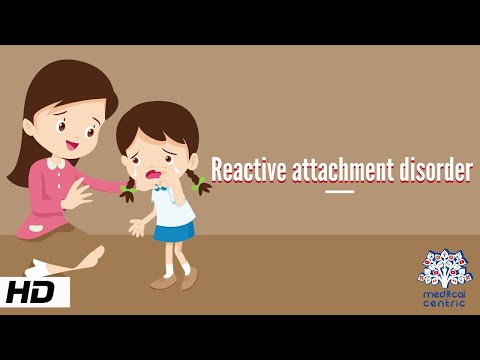
Understanding love and connection can be a bit tricky, especially when we’re talking about folks with Reactive Attachment Disorder (RAD). This condition usually pops up in kids who haven’t had consistent love or care early on. And as they grow up, you might notice they struggle with forming those deeper emotional ties you or I might take for granted.
Basically, children with RAD often find it hard to trust others, so building the kind of connections that feel safe and genuine can be a real challenge. Imagine growing up feeling like you’re always on shaky ground emotionally. It’s tough.
Now, let’s talk about Disinhibited Social Engagement Disorder. This is kind of like the opposite of RAD. Kids with this disorder are super friendly and overly open with strangers. They might hug someone they’ve just met or follow them around without a second thought. It’s almost like they crave that connection but don’t really know how to pick the right people to connect with.
Here are some key points about RAD and love:
- Trust Issues: Kids often have a hard time trusting caregivers due to early experiences of neglect or instability.
- Avoidance of Intimacy: They may resist close relationships, fearing rejection or abandonment.
- Emotional Numbness: Many struggle to express feelings because opening up feels too risky.
- Seeking Connection in Unhealthy Ways: Sometimes they may act out for attention because they haven’t learned appropriate ways to seek love.
So, let’s dig a little deeper into those trust issues. Seriously, it’s like standing on an ice patch—you’re not sure if it’ll crack beneath you at any moment! Kids who’ve been let down before often keep their walls high. They might push people away even if they want closeness because vulnerability feels dangerous.
On the other hand, while some kids show disinhibited behaviors—like being overly friendly—it’s really just their way of trying to find reassurance and connection wherever they can. This doesn’t mean they’re healthy attachment-wise; rather, it shows their confusion about how relationships should work.
Now think back to that idea of emotional numbness I mentioned earlier. These kids might look fine on the outside—laughing, playing—but inside there’s this tug-of-war going on where feelings seem too overwhelming or scary to face directly.
Navigating relationships as an adult can also feel complicated for those who had RAD as children. They often need support from therapists who understand these patterns so healing can happen over time—and let me tell you, it takes patience!
In summary, understanding love and connection for individuals with Reactive Attachment Disorder requires acknowledging their unique struggles shaped by past experiences. Emotional safety is key; without it, forming healthy connections will always feel like an uphill battle. That said; it’s definitely possible for anyone willing to put in that necessary work!
Understanding Disinhibited Social Engagement Disorder: Key Examples and Insights
Disinhibited Social Engagement Disorder (DSED) is one of those mental health conditions that can be a bit confusing at first. It’s mainly seen in kids who have had some tough experiences early in life, like being neglected or experiencing inconsistent caregiving. Basically, they end up having trouble forming normal attachments with people, which can lead them to act in ways that seem overly friendly or open with strangers.
So, what does this really look like? Kids with DSED often approach and interact with unfamiliar adults without any hesitation. Like, they might run up to someone in a store and want to hug them or even climb into a stranger’s lap. It’s more than just being friendly; it’s as if they don’t really pick up on social cues that tell them whom to trust.
Take for example little Jamie, a seven-year-old who spent the first few years of his life in a chaotic home environment before entering foster care. He often greets new people by saying “Hi!” loudly and then asks them lots of personal questions, even when the adults look uncomfortable. For Jamie, this behavior is his way of connecting but it also makes others uneasy because it feels too bold and unfiltered.
Now here’s where it gets tricky: not everyone who acts sociable towards strangers has DSED. It’s about how persistent that behavior is and whether it’s coupled with other signs like lack of fear around strangers or an inability to form strong emotional bonds with familiar caregivers.
Here are some key points about DSED:
Understanding this disorder is super important because kids like Jamie need special support to help them build safer ways to connect with others. Therapy can often help children learn about boundaries and how relationships work healthily. They might practice social skills in therapy sessions where they gradually learn what’s okay versus what’s too much.
It’s like teaching them the rules of friendship without scaring them off—giving them tools so they can engage but also know when to hold back a bit. So if you ever hear about DSED or see behaviors that fit the description, it’s all about looking deeper into those early experiences and providing the right kind of caring support for those kids.
Exploring the Removal of a Personality Disorder from the DSM-5: What It Means for Mental Health
The whole idea of removing a personality disorder from the DSM-5 can stir up quite the conversation, especially when it comes to something like Disinhibited Social Engagement Disorder (DSED). So, let’s unpack that a bit.
DSED is kind of a big deal because it’s tied to how kids interact socially, especially after they’ve been through tough stuff like trauma or neglect. Kids with this disorder can be super friendly with strangers and might not show caution, which can lead to problems down the line. But if we think about axing DSED from the DSM, it raises some questions.
First off, what happens to the kids who are diagnosed with DSED? If it’s taken out of the DSM-5, does that mean their experiences and struggles are just erased? The concern here is that without a diagnosis, these kids might not get the support they really need. Especially since DSED highlights specific behaviors that can impact their development.
Also, how does this affect mental health professionals? When therapists look at a patient’s history, they rely on these classifications to guide treatment. Take for instance a therapist working with a child exhibiting disinhibited behaviors because of trauma. Without DSED in the DSM-5 to reference, things could get really murky for determining next steps in therapy.
Another thing worth pondering is the stigma around diagnoses. Some folks argue that getting rid of certain disorders could help lessen stigma surrounding mental health conditions. But on the other hand, there’s a fear that it could lead to misunderstanding what these kids go through. They may face challenges accessing resources meant specifically for them if their condition is no longer recognized formally.
And let’s not forget about research! The removal could hinder future studies into childhood trauma and attachment issues related to social behavior. Without a clear framework provided by something like DSM-5 classifications, researchers may struggle to find common ground or communicate findings effectively.
In essence, taking away DSED from the DSM-5 isn’t just about changing labels; it’s about real lives and experiences hanging in the balance. It leaves us wondering how we can best champion those kiddos who need our understanding and support as they navigate their complex worlds filled with relationships—both positive and challenging. And seriously—it all comes down to ensuring we don’t lose sight of their needs in this complicated system we have for mental health care.
Alright, so let’s talk about Disinhibited Social Engagement Disorder, or DSED for short. It’s, like, one of those things that doesn’t get a ton of buzz, but it can be super important for some kids and their families. So what is it? Basically, it shows up in kids who’ve had some pretty rough experiences—like neglect or inconsistent caregiving—especially during early childhood. They just don’t seem to hold back when it comes to social interactions.
Imagine a little kid who runs up to strangers at the park, big smile plastered on their face, hugging everyone as if they’re long-lost relatives. You might think it’s adorable—and sometimes it is! But it can also signal something deeper going on. These kiddos often struggle with boundaries and have trouble figuring out who they can trust. You see, their brains are sort of wired differently because of those tough early experiences.
I remember chatting with a friend whose son had DSED. He was always charming and friendly but would sometimes latch onto people he barely knew at family gatherings. It tugged at her heartstrings; she wanted him to connect with others but worried about safety and trust issues too. But here’s the kicker: this disorder isn’t just a quirky personality trait; it’s rooted in a child’s struggles to form secure attachments during those formative years.
So how does this all fit into the DSM-5? Well, it’s classified under disorders related to trauma and stressor-related conditions. What happens is these kids often find themselves overwhelmed with emotions and may switch between being overly affectionate and completely withdrawn—like they’re trying out different social scripts without really knowing which one feels right for them.
And treatment? That usually involves therapy that focuses on building those much-needed boundaries while also helping them learn how to build connections safely. It’s not easy work, for sure.
All this just goes to show how important early relationships are in shaping our social skills later on. If you think about it, these little ones are doing their best with what they’ve been given—but sometimes they need a little extra help figuring things out as they grow up.