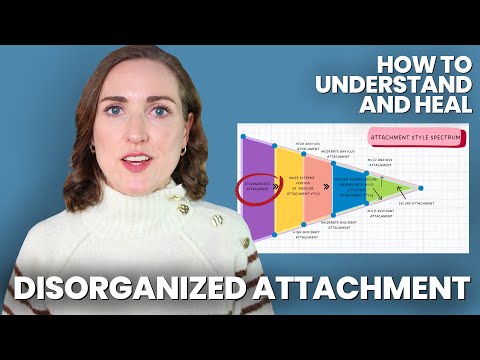
You ever feel like you keep bumping into the same relationship issues? Like, no matter who you’re with, it just doesn’t click? Trust me, you’re not alone.
There’s a lot that plays into how we connect with people. Two big players in the game are dismissive avoidant and anxious attachment styles. Sounds fancy, huh? But it’s really just about how we handle closeness and intimacy.
Maybe you’re the one who keeps your distance when things get too real. Or perhaps you find yourself constantly worrying if they care enough. Either way, knowing more about these styles can totally help you understand your love life better.
Let’s sort through this together. You might just discover something pretty eye-opening about yourself or your partner!
Navigating Relationships: Can Dismissive, Avoidant, and Anxious Attachments Coexist?
So, you’re curious about attachment styles in relationships, huh? It’s a fascinating topic! When we talk about dismissing, avoidant, and anxious attachment styles, we’re really digging into how people connect (or don’t connect) with each other. And yeah, these styles can totally coexist in relationships. Let’s break it down a bit.
First off, let’s talk about what these attachment styles even are. Basically:
- Dismissing-Avoidant: These folks often prefer to keep their distance. They might have trouble showing emotions or getting too close to someone.
- Anxious: People with this style crave closeness but often worry that their partner might not feel the same way. They can be pretty clingy because insecurity drives them.
- Coexisting: So here’s the thing: if you’ve got someone who avoids intimacy paired with someone who needs a lot of reassurance, it can lead to some serious ups and downs.
Picture this: imagine Sarah, who has an anxious attachment style. She’s always texting her boyfriend Mike, checking in on him and needing that emotional support. Meanwhile, Mike is more dismissive-avoidant; he thinks Sarah’s texts feel a bit overwhelming and prefers space over constant communication. You can kinda see how things could get tangled up!
And it doesn’t end there! These differing styles can create what feels like a rollercoaster ride of emotions. Sometimes Sarah might feel abandoned when Mike pulls away. On the flip side, Mike might feel smothered by all that attention from Sarah. It’s like they’re dancing to different rhythms but still trying to keep step with one another.
Another layer here is how past experiences shape these attachments. Maybe Sarah grew up feeling she had to earn love through constant attention, so she seeks it out now in relationships! Mike? He probably learned early on that relying on others could lead to disappointment—so he keeps those walls high.
But here’s where it gets interesting—understanding these patterns can actually help both people grow! Communication is crucial. If they can talk openly about their needs and fears without judgment, there’s hope for connection.
If they work at it together:
- They could establish boundaries; like Mike learns to engage more during moments when Sarah feels needy.
- Sarah could work on self-soothing techniques during times when she feels insecure.
It’s definitely not easy for them; navigating those contrasting needs takes courage and patience—just like any good relationship should!
In the end, while dismissive-avoidant and anxious attachments may seem worlds apart, they don’t have to spell doom for a relationship if both partners are willing to understand each other better. So remember: love is complicated! And navigating those waters may just need clear communication and a little flexibility from both sides!
Understanding and Overcoming Dismissive Avoidant Attachment Style: A Guide to Healthier Relationships
Understanding dismissive avoidant attachment style can be a bit of a journey. So, what’s it all about? Well, folks with this attachment style usually keep emotional distance in their relationships. They might seem independent to a fault, often feeling overwhelmed by too much closeness. It’s like they have this invisible wall up, right?
What is Dismissive Avoidant Attachment?
Basically, this style develops from early experiences—like when caregivers were emotionally unavailable or overly focused on independence. Children learn that it’s safer not to rely on others for emotional support. These patterns often carry into adulthood, leading to difficulties in romantic relationships.
When you’re dealing with someone who has a dismissive avoidant attachment style, you might notice that they tend to downplay emotions—both theirs and yours. You could share something personal but get met with a shrug or a change of topic instead of the empathy you’d expect.
Signs You Might Have This Attachment Style
You may find yourself resonating with some of these points:
- You prefer keeping people at arm’s length.
- You feel uncomfortable when others try to get close.
- You often prioritize self-sufficiency over emotional intimacy.
- You struggle to express your feelings openly.
Imagine being at dinner with friends and someone asks how you’re feeling about life changes. Instead of opening up, you laugh it off and change the subject — classic behavior!
Overcoming Dismissive Avoidant Attachment
Now, let’s talk about breaking free from these habits. It takes real work but isn’t impossible! Here are some strategies that can help:
- Acknowledge Your Feelings: Start by recognizing your emotions instead of pushing them aside. Journaling can help with this!
- Practice Vulnerability: Try sharing small feelings or thoughts with trusted friends. It can be scary at first but super rewarding!
- Seek Therapy: Working with a therapist can provide valuable insights and coping strategies tailored to your needs.
- Create Healthy Boundaries: Learning how to establish boundaries ensures you feel safe while allowing for connection.
You know what? A friend of mine struggled with this exact thing. She found herself constantly shutting people out because she was just so used to being alone. But once she started therapy and realized it was okay to let people in — even just a little bit — her relationships changed dramatically!
Navigating Relationships with Dismissive Avoidant Patterns
Being aware of your style is one thing; knowing how it affects your relationships is another ballgame! If you’re in a relationship where your partner tends more toward anxious attachment, things might get intense pretty quickly due to the push-pull dynamics.
To maintain harmony between different attachment styles:
- Communicate Openly: This means sharing what you need and when you’re feeling overwhelmed.
- Avoid Judgment: Remember that both styles come from different backgrounds; understanding goes a long way.
So really, overcoming that dismissive avoidant attachment style isn’t about changing who you are but rather expanding what’s possible in your relationships. With time and effort, you can build connections that feel fulfilling—trust me; it’s worth it!
Understanding the Fears of Avoidant Personalities: What Truly Terrifies Them
Understanding the Fears of Avoidant Personalities
So, let’s break down avoidant personalities a bit, yeah? Basically, people with this style often fear closeness and intimacy. It’s not that they don’t want connection; it’s just that they’re scared of what it might bring. For them, vulnerability can feel like standing on the edge of a cliff—terrifying!
Diving into the fears:
Now, here’s where it gets interesting: these fears often lead to behaviors you might have noticed. Like when someone seems distant even when you’re trying to connect? That push-pull thing you feel? Yeah, that’s typically what happens.
A little emotional perspective: Picture a friend who always cancels plans last minute or keeps conversations light and breezy. At first glance, it might seem rude or flaky—but really? They’re battling their own internal monsters: feelings of anxiety and dread about being too close or getting hurt.
And then there’s the idea of dismissing emotions. People with this style often brush off their own feelings—or even yours! When faced with something deep or emotional, they might joke around or change the subject completely. It’s how they cope—kind of like avoiding an awkward family dinner by pretending they’re sick.
It’s also crucial to note how anxious attachment styles interact here. Anxiously attached individuals crave closeness but often feel insecure while avoidants run from it. So picture two friends trying to connect; one wants hugs while the other wants space—it can be pretty messy!
In navigating these dynamics, patience and understanding go a long way. With time—and maybe some therapy—avoidant folks can learn to overcome their fears little by little.
In short? Avoidants are not hard-hearted—they’re just dealing with stuff that feels huge inside to them. So if you know someone who’s avoidantly attached or if you’re navigating this yourself, remember: it’s all about those underlying fears shaping their behavior every day!
You know, relationships can be pretty complicated, and a lot of it has to do with how we learned to connect with others—like, our attachment styles. It’s kind of wild when you really think about it. Some folks are all about keeping their distance, while others need constant reassurance. Take the dismissive avoidant and anxious attachment styles, for example. These two often seem to be on opposite ends of the spectrum, but they can end up in some pretty tricky dynamics together.
I remember a friend of mine who was super anxious in relationships. She needed a lot of validation, like constant text messages and touch—just that feeling of being connected. On the other hand, her partner had this dismissive avoidant style and would sometimes pull away just when she needed him most. It created this vicious cycle where she felt more anxious because he was backing off, and he felt overwhelmed by her neediness. It was hard to watch because they both genuinely cared for each other but couldn’t figure out how to bridge that gap.
So, let’s break it down a bit. People with a dismissive avoidant attachment style often struggle with intimacy—they’re like cats that want love on their own terms but then bolt when you try to cuddle them too much! They might seem aloof or emotionally distant because they’ve learned to be self-sufficient and keep their feelings in check. On the flip side, those with an anxious attachment style crave connection and fear abandonment. They typically see any little sign of withdrawal as a potential rejection; it’s like living on edge all the time.
Navigating this dance is where things get dicey. The anxious person keeps reaching out for connection while the avoidant partner keeps retreating into their shell—next thing you know, there’s miscommunication galore! And honestly? It can create so much heartache for both sides.
But what if they could communicate better? If my friend had expressed her fears instead of assuming he would automatically know what she needed, maybe things could have been easier for both? Just saying what you feel can work wonders sometimes! Meanwhile, the avoidant partner could work on being more open and vulnerable instead of running away at the first sign of intimacy—it takes practice but it helps build trust over time.
In a perfect world (I wish!) both partners would learn about each other’s styles and develop strategies together to find common ground. Like creating safe spaces for expressing fears without judgment or pressure can make such a difference! It’s all about balancing those needs—giving space when needed but also reaching out when feelings run deep.
At the end of the day, relationships can be challenging already without these underlying dynamics pulling us in different directions. But hey! With some honesty and understanding? You can totally navigate through it—it just takes effort from both sides!