You know that feeling when you really want to get close to someone, but then you suddenly feel like running the other way? Yeah, that’s not uncommon.
Sometimes it’s like there’s this wall between what your heart wants and what your brain is shouting. It’s confusing, right?
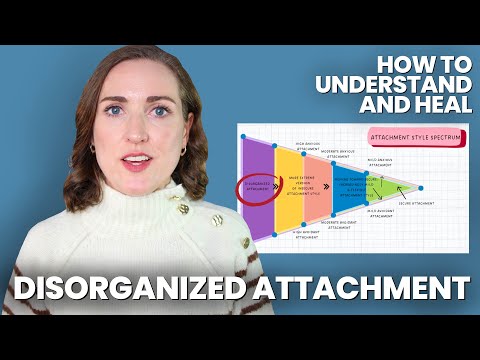
That’s where the dismissive fearful avoidant attachment style kicks in. It’s like a rollercoaster of emotions, constantly swaying between wanting connection and fearing it.
But you’re not alone in this. Seriously, so many people get stuck in this push and pull of intimacy. You just gotta understand it a bit better to make sense of those feelings.
Let’s break it down together, yeah?
Understanding the Deepest Fears of Dismissive Avoidants: Insights into Emotional Barriers
Let’s talk about dismissive avoidant attachment style. This is one of those emotional styles that can really put up walls between you and the people you care about. You know how sometimes, when you get too close to someone, it feels overwhelming? That’s kind of the vibe here.
People with a dismissive avoidant style often fear intimacy. They might push you away when things start to get serious. It’s like they’re saying, “Hey, I’m fine on my own!” But deep down, there’s a lot going on that we need to unpack.
One big fear? Vulnerability. Opening up means risking that someone might see your raw, unfiltered self. Imagine standing naked in front of a crowd—so not fun, right? For some, admitting their feelings or insecurities feels like showing off the deepest parts of themselves and that scares them silly.
- Fear of Dependence: They worry that needing someone else makes them weak. It’s like they’re stuck in this loop where they want connection but feel terrified of relying on another person.
- Fear of Rejection: What if they let someone in and then get rejected? The mere thought can be paralyzing. So they take a step back before they even have to face that possibility.
- The Pressure of Expectations: Relationships come with expectations—like being emotionally available or investing time. Dismissive avoidants often feel like they can’t meet these expectations and would rather not deal with it at all.
This leads to another issue: staying emotionally distant even when things seem good. Picture this—you’re on a date, everything’s going well, but suddenly they pull back and act nonchalant when really they’re panicking inside. You may wonder what happened; it can leave you feeling confused and rejected.
An anecdote might help illustrate this: I once knew someone who wore their independence like armor. They’d joke about being a lone wolf but would sulk whenever friends hung out without them. It was clear—underneath the cool façade was a heart craving connection yet too scared to admit it.
The irony is thick because even though they want genuine connections, their defense mechanisms make it hard for others to reach them. So what do we do? Well, building trust is key here, but remember—it takes time! Patience is your best friend when navigating these emotional barriers.
The thing is, understanding these fears isn’t just for them—it’s for you too! Knowing what drives someone’s actions can help create better communication paths and maybe ease some tension in your interactions.
If you’re dealing with someone who’s got those dismissive traits or even if you’re recognizing them in yourself—just remember: it’s okay to take baby steps toward vulnerability! Baby steps—that’s really all anyone needs sometimes anyway!
Understanding the Most Challenging Attachment Style to Heal: Insights and Strategies
So, let’s talk about dismissive fearful avoidant attachment style, the one that’s often really tough to work through. You know, this style is a mix of wanting closeness but also being super scared of it. It can feel like a tug-of-war between desiring love and pushing people away. Basically, it’s like standing at the edge of a cliff, wanting to jump but being terrified of the fall.
This attachment style usually develops in childhood. Maybe kids with dismissive fearful avoidant patterns had caregivers who were inconsistent—sometimes loving and sometimes not available when they needed support. So they learned that it was safer to keep their distance from others. Now as adults, they can come across as aloof or indifferent, even when inside they’re dealing with some pretty intense emotions.
Here are some key traits you might notice:
- Fear of Intimacy: They crave connection but run for the hills when things get too close.
- Emotional Walls: Building up barriers to keep folks out can feel like self-protection—but it gets lonely.
- Avoidance of Vulnerability: Opening up feels dangerous, so they often sidestep deep conversations.
I once knew someone who really embodied this struggle. Let’s call her Sarah. She would engage in relationships, but as soon as things got serious, she’d pull back. It wasn’t that she didn’t care; it was just terrifying for her to think about letting someone in completely. This back-and-forth can leave partners confused and hurt because they might feel rejected even if they truly want to be close.
If you or someone you know is navigating this challenging attachment style, there are ways to work through it!
- Self-Awareness: Understanding your triggers is huge! Keeping a journal or chatting with friends about your feelings helps illuminate what’s going on in your mind.
- Taking Small Steps: Try allowing little bits of vulnerability at a time—like sharing a small fear or hope instead of jumping into deep emotional waters right away.
- Therapeutic Support: Therapy can be invaluable here. A good therapist will help unpack those fears without any pressure. It’s like having a guide on your journey through emotional wilderness.
The thing is, healing from this attachment style isn’t quick; it’s more like peeling an onion—layer by layer until you reach the core. You might cry along the way (and that’s totally okay!), but each layer makes you stronger and more capable of forming healthy connections with others.
You know what? Just taking one step at a time is key! Each effort counts in moving toward healthier relationships and embracing that scary intimacy we all crave deep down.
Top Mistakes to Avoid When Interacting with a Dismissive Avoidant Partner
Interacting with a partner who has a dismissive avoidant attachment style can be quite tricky. These folks usually shy away from emotional intimacy and can seem pretty aloof. So, if you’re in a relationship with one, it’s essential to handle things delicately. Here are some common mistakes to avoid.
Diving into deep feelings too quickly can send your partner running for the hills. It’s like they’re at a party, and someone just shoved them into the slow dance area when they were ready for a chill night out. You want to take your time and build up to those deeper conversations. Start by easing into lighter topics before gradually touching on more serious stuff.
Ignoring their need for space is another biggie. Dismissive avoidants often need time to process their thoughts and emotions, so bombarding them with questions or demands isn’t gonna help. For example, if they say they need some alone time, respect that! Pushing too hard might make them retreat even further.
Taking their distance personally is another mistake people often make. It’s easy to think “they don’t care,” but it’s usually not about you at all! They’re simply wired differently when it comes to closeness and vulnerability. Remind yourself that their behavior isn’t a reflection of your worth.
Forgetting about non-verbal communication is also crucial here. Dismissive avoidants might struggle with verbalizing their feelings but may communicate through body language or tone shifts instead. Pay attention! A subtle change could mean there’s more going on than what they’re saying.
Freaking out when they pull away? That can be toxic for both of you. When your partner needs space, try not to panic or overreact; it might only push them further away. Instead, practice patience—let them come back at their pace rather than trying to reel them in desperately.
- Avoid ultimatums. Telling someone they must change or else can feel like throwing gas on the fire.
- No blaming or shaming. Criticizing their attachment style can lead to defensiveness instead of understanding.
- Be open about your feelings. While pushing too hard isn’t great, sharing how you feel in mild terms can bridge gaps.
Sometimes just sitting together in silence works wonders; it’s all about being available without pressure!
This journey isn’t easy, but by understanding how your dismissive avoidant partner thinks and feels—and avoiding these common pitfalls—you’ll have an easier time connecting with each other on a deeper level over time.
Navigating the dismissive fearful avoidant attachment style can feel a bit like walking a tightrope. You know? It’s that tricky spot where, on one hand, you want connection and intimacy. But then again, there’s this huge wall you’ve built up around yourself to protect against any potential hurt. So, it’s like the heart says one thing, and the mind goes “Whoa—pump the brakes!”
I remember chatting with a friend about this stuff once. She started dating someone really nice, but every time they’d get close emotionally, she’d pull back. I mean, it was almost comical how fast she could switch from sweet and open to cold and distant. At first, we joked about it because that’s how we cope sometimes. But then it got serious when she opened up about her fears of being vulnerable. She felt like if she leaned in too much, she might tumble over into an abyss of hurt—a fear that kept her from enjoying what could be a beautiful relationship.
So here’s the deal with that dismissive fearful avoidant style: it’s like wanting intimacy but also being terrified of it at the same time. You find yourself caught in this cycle where you crave closeness but freak out when someone gets too close. It’s confusing for both you and your partner.
Honestly, exploring these feelings can be intense—like peeling an onion where each layer brings more tears (not literally!). A lot of it boils down to past experiences or attachments with family that shaped how you connect with others later on in life. Perhaps there were moments when love felt conditional or when trust was broken.
The thing is that recognizing this pattern is super important, right? It’s kind of like holding up a mirror to your own heart and saying “Hey there! Let’s figure this out together.” Working on opening up doesn’t happen overnight; sometimes it feels like climbing Mount Everest without gear! But little steps count too.
Therapy can be really helpful here because having someone guide you through these tangled feelings is invaluable—you know? It helps to talk through your experiences with someone who gets it and encourages growth without judgment.
While navigating these waters can feel daunting at times, remember it’s all part of the journey towards healthier relationships. Growth takes time—and that’s okay! Embrace those awkward moments and know that vulnerability is part of what makes us human—even if it feels scary as heck sometimes. Just take one step at a time; you got this!