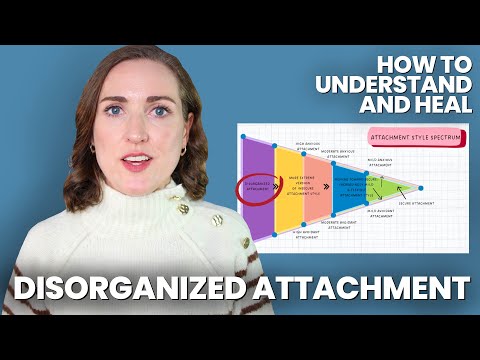
So, you know that feeling when you’re trying to connect with someone but it just feels… off? Like, you’re both in the room, but there’s this invisible wall between you. That’s kind of what it can be like for folks with disorganized attachment.
Imagine walking into therapy, ready to dive deep into those messy emotions. But suddenly, it feels like you’re trapped in a whirlwind of confusion and doubt. You want help, but trusting someone feels super scary.
It’s tough. Seriously tough. The ups and downs can really leave you feeling lost. But don’t worry—you’re not alone in this ride. So let’s chat about disorganized attachment and how to navigate those tricky waters in therapy together!
Understanding and Healing Disorganized Attachment: A Comprehensive PDF Guide
Disorganized attachment can be a pretty tricky experience to navigate. It’s like being stuck in a confusing maze of emotions and relationships where you feel both scared and desperate for connection. Let’s dig into what disorganized attachment is, why it happens, and how healing can take place.
What is Disorganized Attachment?
Basically, disorganized attachment stems from unpredictable caregiving or traumatic experiences in childhood. When caregivers are both a source of comfort and fear, kids don’t know how to react. They might want love but also feel anxious about getting hurt. This mismatch creates a chaotic relationship with others as an adult.
Think about it: imagine wanting to trust someone but always looking over your shoulder, waiting for the next emotional hit. That’s the reality for many with disorganized attachment.
Signs You Might Have Disorganized Attachment
While everyone’s experience is unique, there are some common signs:
- Feeling anxious about relationships.
- A tendency to push people away even if you want closeness.
- Dramatic mood swings in response to relationship stress.
- A mix of clinginess and withdrawl during interactions.
- Difficulty understanding your own feelings and needs.
It can be super frustrating—like being on an emotional rollercoaster without a seatbelt!
Healing From Disorganized Attachment
Healing isn’t just possible; it can be transformative! It usually starts with therapy, where you’ll explore past wounds and learn to develop stable attachments. Here are some strategies that might help:
- Therapeutic Relationships: Finding a therapist who provides a safe space can help you rehearse healthier relationships. This way, you get used to consistency—something that was missing before.
- Mindfulness: Practicing mindfulness helps create awareness of your feelings. When you notice those confusing emotions bubbling up, you can pause and recognize they’re just that—emotions.
- Gradual Exposure: Slowly putting yourself in social situations can lessen anxiety over time. Start small; say hello to your neighbor or have casual chats at work.
- Self-Compassion: Learning to treat yourself kindly is huge! Recognize that feeling confused or anxious is okay—it doesn’t define your worth!
Recovering may take time—you’re retraining your brain! So give yourself some grace along the way.
The Role of Therapy
When navigating disorganized attachment in therapy, it’s crucial for both the therapist and client to build trust first—it’s like laying down bricks before constructing a solid wall. This foundation allows you to gradually explore difficult emotions without feeling overwhelmed.
You might find modalities like Cognitive Behavioral Therapy (CBT), Dialectical Behavior Therapy (DBT), or Attachment-Based Therapy particularly useful since they focus on understanding thoughts while also addressing deeper emotional issues.
In summary, healing from disorganized attachment is all about creating safety within yourself first and then extending that safety outwards into relationships with others. You’re not alone in this struggle; many people deal with similar challenges every day! But taking steps towards healing—no matter how small—is what counts most!
Transforming Relationships: A Comprehensive Guide to Healing Disorganized Attachment Styles
So, let’s chat about disorganized attachment styles. This stuff can really mess with how you connect with others and navigate relationships. You might feel a mix of anxiety, confusion, or even fear when it comes to close connections. It’s like you want love and closeness but also push it away because of past experiences.
Disorganized attachment usually stems from inconsistent care during childhood—sometimes the caregiver is nurturing, and other times they’re frightening or neglectful. Imagine a kid wanting a hug from a parent who also scares them; that creates chaos in their little hearts and minds. Essentially, they learn that people can be both safe and terrifying, leading to confusion as adults.
In therapy, working through this can be a ride! The first step is building **trust** with your therapist. If trust has always been shaky for you, this part could feel tricky but super important. A therapist who understands your feelings can help you feel safe enough to explore your past without judgment.
Here are a few key things that can help:
- Recognizing Patterns: Pay attention to how you react in relationships. Do you often find yourself pulling away when things get too close? Recognizing these patterns is huge.
- Communication: Learning to express your feelings openly can be eye-opening! It’s okay to say “I’m feeling anxious” or “I need some space.” You’re helping others understand where you’re at.
- Practice Self-Compassion: Be gentle with yourself when things feel overwhelming. Give yourself credit for simply trying to make sense of it all.
- Create Safe Spaces: Surrounding yourself with people who respect your boundaries and understand your struggles makes a big difference. Choose friends or partners that feel secure.
The thing is, healing isn’t linear; you’ll have ups and downs along the way. Some days might feel easier than others—kind of like learning how to ride a bike again after falling off a few times!
One important aspect of therapy for disorganized attachment is **emotion regulation** skills. You know those moments when emotions hit hard? Learning how to manage those feelings without losing control is key. Techniques like deep breathing or mindfulness can ground you when everything feels haywire.
Also, consider exploring **attachment-focused therapies** like Emotionally Focused Therapy (EFT) or Attachment-Based Family Therapy (ABFT). These approaches are designed specifically for folks dealing with attachment issues.
Lastly, remember healing takes time—it’s like tending to a garden; consistent care leads to blooming flowers eventually! So whether it’s journaling about what triggers you or trying out new coping strategies in real-life situations, every little step counts.
To wrap this up: navigating disorganized attachment in relationships is no small feat but addressing these challenges head-on in therapy opens doors for healthier connections down the line! Keep pushing through; you’ve got this!
Transforming Relationships: A Guide to Healing Disorganized Attachment in Adults
Disorganized attachment can really shake things up in your relationships, you know? It often stems from trauma or chaotic experiences during childhood. So, if you’re feeling confused or anxious in your connections with others, that might connect to having this type of attachment.
People with disorganized attachment often feel a push-pull when it comes to intimacy. You crave closeness but then freak out and pull away. Like, one minute you want to be held tight, and the next you’re afraid someone will hurt you. That’s totally understandable! It’s all about survival patterns formed early on and they can be hard to shake off later in life.
In therapy, understanding these patterns is a big deal. You and your therapist can explore your past relationships—sometimes it’s like piecing together a puzzle. But it’s not just about digging up old stuff; it’s also about learning new ways of connecting with yourself and others.
Here are some key points that might help:
- Acknowledge Your Feelings: Seriously, feel what you feel! It’s okay to recognize when something feels off. Naming those emotions is the first step toward healing.
- Find Safe Relationships: Surround yourself with people who respect your boundaries. This doesn’t mean avoiding deep relationships; it’s about finding the right ones.
- Practice Self-Compassion: Be nice to yourself! Remind yourself that it’s okay to not always get it right. Healing takes time.
- Cognitive Behavioral Therapy (CBT): This approach helps reframe negative thoughts and beliefs about yourself and others.
- Mindfulness Techniques: They can ground you in the present moment instead of getting lost in past traumas or future worries.
Let me tell you a quick story: A friend of mine named Jess struggled with closeness after growing up in an unpredictable home environment. Therapy helped her realize that her fear of intimacy wasn’t just her fault—it was rooted deep in her experiences. After working on her feelings through therapy, she slowly built trust with a few close friends who understood her struggle. The bond grew stronger over time, and now Jess finds herself enjoying companionship without that constant fear of abandonment.
It isn’t easy; transformation takes effort and patience—it’s like building muscle over time instead of expecting instant results. You really have to work at it daily.
And don’t forget: while navigating disorganized attachment isn’t a walk in the park, healing is absolutely possible! Working towards secure attachments means building healthier connections for the future—something worth striving for!
Disorganized attachment, huh? That’s a tough one. Imagine being a kid who craves closeness but is scared of it at the same time. It’s like seeing your favorite candy, but then realizing it’s in a glass box that you can’t get to. Those feelings can stick around into adulthood, making relationships feel like this confusing maze.
When you’re sitting in therapy and trying to tackle this, it can really bring up a whirlwind of emotions. Picture this: you’re talking about vulnerability. You want to dive deep and share your worries, but suddenly your heart races, and you feel like running away. What’s up with that? It’s like your brain’s on guard mode, ready to bolt at the first hint of discomfort.
Therapists often notice these pushes and pulls in their clients with disorganized attachments. It’s not uncommon for them to feel this tug-of-war inside—yearning for connection but terrified of getting hurt. This back-and-forth can make therapy sessions tricky; trust issues become hurdles to jump over instead of smooth roads to travel on.
In my experience—just from observing others—it seems really helpful when therapists create a safe space. Seriously, if they affirm that it’s okay to be scared or confused about connections, clients often start feeling more grounded. That sense of safety allows those walls to come down just a little bit.
Of course, progress isn’t linear. You might have good days where you feel like you’re finally getting somewhere, only for old patterns to crop back up out of nowhere the next session. And that can be super frustrating! But it’s all part of re-learning how relationships work and figuring out how you connect with others without that fear hanging over your head.
So yeah, navigating disorganized attachment in therapy isn’t easy—it’s more like tackling an obstacle course blindfolded sometimes! But every step forward is definitely worth celebrating because those tiny breakthroughs can lead to profound transformations in how you view love and connection in your life.