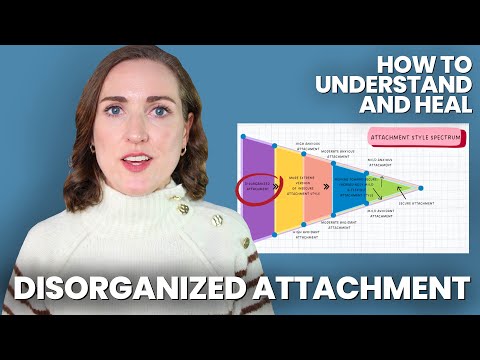
You know that feeling when you just can’t figure out if you’re coming or going in a relationship? Yeah, that’s super relatable for a lot of folks.
Disorganized insecure attachment is like being caught in a whirlwind of confusion and mixed emotions. It’s tricky, honestly.
A lot of us didn’t grow up with consistent love or support. And that can totally mess with how we connect with others later on.
It’s not just about relationships, though—this type of attachment can ripple out into your mental health too. You might feel anxious or overwhelmed, like there’s no safe space to land.
Let’s chat about it—what it means, how it affects us, and what we can do to start untangling the mess together!
Exploring the Link Between Disorganized Attachment and Mental Illness: Key Insights
Disorganized attachment, you know, is like this funky way kids relate to their caregivers when they’re growing up. It’s not just about being shy or distant; it’s way messier than that. These kids might show a mix of clinginess and avoidance, often because their caregivers are unpredictable or even frightening at times. And that’s where things start to get interesting—and a bit complicated.
Research suggests that kids with disorganized attachment often face a greater risk for mental illness later in life. Imagine a kid who never knows if their parent will be loving one moment and scary the next. That kind of inconsistency can really mess with your head as you grow up. You end up forming these strange patterns in relationships where you might push people away, then desperately try to pull them back in.
One key insight is how disorganized attachment connects to issues like anxiety and depression. When your early relationships are chaotic, it makes sense you’d feel anxious or unable to trust others down the line. Like, think about Sarah: she had a mom who would suddenly become angry without warning. As an adult, Sarah struggles with feeling overwhelmed in friendships and often feels unworthy of love.
Another point worth mentioning is the link between disorganized attachment and borderline personality disorder. People with borderline traits often experience extreme emotions, fear of abandonment, and unstable relationships. It’s almost like their emotional wiring was short-circuited from those chaotic early experiences.
And then there are the implications for therapy. You know how vital it is for therapists to create a safe space? For someone with disorganized attachment, it’s essential because trust doesn’t come easy. They might find it hard to open up or may test boundaries as part of their coping mechanism.
It’s also interesting to note how neurobiology plays into all this. Studies suggest that children with disorganized attachment show differences in brain development related to stress response—like higher levels of cortisol—damaging over time if not addressed.
Understanding Insecure Attachment: Its Impact on Mental Health and Well-Being
So, let’s talk about **insecure attachment**, specifically that tricky little thing called **disorganized insecure attachment**. It’s one of those concepts that can really mess with your mental health and overall well-being, you know?
When we think about attachment, we’re basically referring to the emotional bonds we form with our caregivers as kids. A secure attachment usually means you feel safe and understood, while an insecure attachment can lead to a bit of chaos in how you connect with people later on. In fact, disorganized insecure attachment is like the wild card of attachments—it’s confusing and inconsistent.
People who have this type of attachment often grew up in environments that were unsafe or unpredictable. Picture this: A child goes to a parent for comfort, but that parent is also the source of fear. What do they do? They might approach them and then back off because they don’t know what to expect. This creates a real internal conflict.
Moving forward into adulthood, this pattern can show up in all sorts of ways:
- Difficulty trusting others: You might find it really hard to let people in or believe they’re actually there for you.
- Emotion regulation issues: You could struggle to manage your feelings—like going from zero to sixty in seconds when upset.
- Fear of intimacy: Often people might push loved ones away or avoid getting too close because it feels risky.
- Chaotic relationships: Relationships can be really intense and unstable; one minute everything seems great, the next it feels like it’s falling apart.
I once knew someone named Jamie who had this kind of background. Growing up, they would often feel completely alone at home because their parents were either overwhelmed by their own issues or just absent emotionally. Now as an adult, Jamie finds it tough to keep friendships healthy. They either cling too tightly or pull away completely when things get serious.
The mental health fallout from disorganized insecure attachment can be tough—think anxiety, depression, and sometimes even personality disorders. It’s like trying to juggle flaming torches while walking on a tightrope every day.
You see how important early experiences are? They shape how we cope with life as adults! The thing is not everyone with disorganized insecure attachment will struggle in the same way. Some people find ways to adapt or heal over time through therapy or supportive relationships.
If you’re nodding along feeling like this resonates with you—or maybe someone you know—it could be worth looking into talking things out with a therapist who understands attachment styles. Recovery isn’t just possible; it’s totally achievable.
Being aware of these patterns can help break cycles and foster healthier relationships moving forward! Remember, your past doesn’t have to define your future!
Understanding the Needs of Individuals with Disorganized Attachment: Key Insights for Support and Healing
Disorganized attachment is one of those topics that really deserves more attention. It’s complex, but don’t worry, I’ll break it down in a simple way for you. Basically, people with disorganized attachment often have a rocky relationship with caregivers during childhood. This could stem from things like neglect, trauma, or inconsistent parenting. The main thing to remember here is that these experiences shape how they interact with the world and form relationships later on in life.
So let’s talk about some key insights into what individuals with disorganized attachment might need for support and healing.
Understanding Emotions
People with this kind of attachment can have a really tough time understanding or regulating their emotions. Imagine being in a situation where you feel angry or scared but can’t figure out why. It’s frustrating! This often leads to emotional outbursts or shutting down altogether. They might need help learning how to identify and express their feelings in a healthy way.
Building Trust
Trust issues are pretty common here. If your early caregivers were unreliable or erratic, it makes sense that trusting others becomes challenging. A person might push people away even while desperately wanting connection. Supportive relationships where trust can be safely built over time are super important for healing.
Creating Stability
Structure and predictability can work wonders for someone struggling with disorganized attachment. It helps create a sense of safety, which is essential for healing these deep-rooted issues. Think about it: when everything feels chaotic inside, having a consistent routine can be grounding.
Developing Coping Strategies
People with disorganized attachment may not have learned effective coping mechanisms growing up—like how to deal with stress or disappointment properly. They might benefit from learning new strategies through therapy or support groups, such as mindfulness practices or journaling about their feelings.
Acknowledging Trauma
Many individuals with this attachment style carry unprocessed trauma from their early years. Acknowledging that trauma—even if it’s painful—can open the door to healing. Therapy can provide a safe space to address these experiences without judgment.
Nurturing Self-Compassion
Self-criticism is often very loud in folks dealing with disorganized attachment issues. They may internalize feelings of worthlessness or blame themselves for everything that went wrong during childhood and beyond. Learning self-compassion is crucial; this means treating oneself kindly instead of harshly judging every mistake.
In sum, supporting someone with disorganized attachment involves understanding their complex emotional landscape and providing consistent support as they navigate their healing journey. It takes time and patience but remember—it’s possible!
Alright, let’s chat about disorganized insecure attachment and how it can mess with your head.
You know, when you think about relationships—especially those we have as kids—it shapes a lot of who we become. So, imagine being a kid and feeling like the people who are supposed to keep you safe are actually pretty scary or unpredictable. It’s like being on a roller coaster, but one that never stops. You get that rush of adrenaline mixed with fear, and it’s hard to know how to feel or act.
People with a disorganized insecure attachment often grow up in chaotic environments. Maybe their caregivers were loving one minute and then cold or frightening the next. This confusing dynamic leaves them feeling unsafe. You might start to see life through a lens of mistrust and anxiety. That can really mess up your mental health later on.
I remember talking to a friend who grew up in such an environment. She described how she would cling tightly to her parents during good moments but would also push them away during bad times. It was like she craved love but was terrified of it at the same time, which created this whirlwind of emotions inside her—a real emotional tug-of-war.
This pattern often shows up later in life too. If you find it hard to make connections or feel overly anxious in relationships, disorganized attachment might be partly behind it. You might notice that you’re drawn to people who are unreliable or toxic because that’s what feels familiar, even if it hurts.
And then there’s the mental health side of things. Individuals with this kind of attachment style can experience higher levels of anxiety and depression because they didn’t learn how to form healthy bonds growing up. It’s tough; you’re basically trying to navigate through life without the right map.
So, if this resonates with you or someone you know, remember: recognizing these patterns is the first step toward healing. Therapy can be super helpful here because it offers a chance to rewire those old ways of connecting with others—turning chaos into something more stable and nurturing over time.
Just keep in mind that healing isn’t linear; it’s messy and complicated—kind of like life itself! But reaching out for help is so important; you’re not alone in this journey!