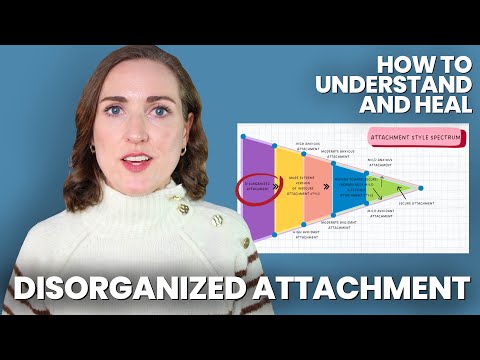
You know that feeling when you’re trying to connect with someone, but it’s all jumbled and messy? Like, one minute you’re feeling close, and the next you’re pushing them away? Yeah, that’s kind of what disorganized attachment is about.
It’s like having a map with all the wrong directions. You want to get to your destination—intimacy, trust, whatever—but the route is just… confusing.
So, if you’ve ever felt lost in your relationships or even in therapy sessions, this is for you. Let’s unpack this together. It’s understandable and super common. You’re definitely not alone in this.
Understanding and Navigating Disorganized Attachment Style: A Comprehensive Guide
Disorganized attachment style is a bit of a tough nut to crack. It’s like walking a tightrope between wanting closeness and fearing it at the same time. You might know someone—or even be that someone—who feels all jumbled up about relationships. Let’s break this down.
What is Disorganized Attachment?
This style usually develops in childhood, often due to inconsistent or frightening responses from caregivers. Picture this: you’re a kid, and sometimes your parent is warm and loving, but other times they’re angry or distant. That can leave you confused about what love and safety really feel like.
How Does It Impact Relationships?
If you have this attachment style, it can seriously mess with your relationships. You might find yourself swinging between trust issues and an intense need for connection. It’s kind of like being on an emotional rollercoaster where the highs are high, but the lows can be really low.
You might struggle with:
- Pushing people away just when they start getting close.
- Feeling overwhelmed by emotions or situations that seem minor to others.
- A constant sense of fear or anxiety in relationships.
Navigating Therapy with Disorganized Attachment
Therapy can be a game changer here. The thing is, it can feel tricky to open up in therapy when you’ve got disorganized attachment issues.
In therapy:
- Building Trust: A key step is building trust with your therapist. This relationship needs to feel safe since past experiences may have taught you that people can’t always be counted on.
- Tackling Emotions: Be prepared for some heavy emotional lifting. You might dive into feelings that make you uncomfortable or vulnerable—it’s crucial for growth.
- Minding Patterns: A therapist will help you recognize patterns in how you relate to others and yourself. This self-awareness can be super helpful.
Anecdote Time
Let me share something real quick. I once knew someone who had a disorganized attachment style—let’s call them Jamie. Jamie wanted so badly to connect but often pushed people away during moments of vulnerability because they felt scared of being hurt again. Therapy was rocky at first; those early sessions felt like two steps forward and one step back, but gradually, as Jamie learned to trust their therapist, things changed. They started recognizing those old patterns that were holding them back from healthy connections.
The Road Ahead
Over time, if you or someone else works through disorganized attachment style in therapy, it’s possible to cultivate more secure relationships. It’ll take patience and work—like anything worth having—but learning new ways of relating to yourself and others is totally doable.
Navigating disorganized attachment isn’t easy; it can feel tumultuous at times—but understanding where these feelings come from? That’s the first step toward finding peace amidst the chaos!
How Therapists Support Healing from Disorganized Attachment: Strategies and Approaches
It’s tough navigating life with disorganized attachment, isn’t it? You might feel a whirlwind of conflicting emotions about relationships. One minute, you’re craving closeness; the next, you’re terrified of it. This can make therapy tricky but also super transformative. Therapists have some solid strategies to help you heal.
Building Safety and Trust is usually step number one. A therapist knows that for someone with disorganized attachment, feeling safe is essential. They’ll create a space where you can express yourself without judgement. That means showing up consistently and being reliable, so you can start trusting again.
Understanding Patterns is another big part of the healing process. Your therapist will help you recognize your attachment patterns and how they play out in your relationships. Maybe you find yourself pushing people away just as things get too close—common behavior for folks dealing with disorganized attachment.
Then there’s Emotional Regulation. Yeah, emotions can be intense! A good therapist will work with you on identifying your feelings and finding healthier ways to manage them. Techniques like deep breathing or mindfulness exercises aren’t just buzzwords; they’re tools to help calm that emotional storm inside.
Telling Your Story in therapy is pretty powerful too. Sharing your past experiences allows for some healing to happen. It might bring up painful memories, but a skilled therapist will help guide this process and make it feel safe.
Another important approach involves Developing Secure Attachment. This might seem like a tall order, but through consistent interactions in therapy, therapists can model what secure attachments look like. You’ll notice positive relational dynamics during sessions that can translate into your real-world connections.
And let’s not forget about Gradual Exposure to Relationships. As trust builds over time, the therapist may encourage you to engage with safe people outside of therapy—maybe starting small by text messaging or casual hangouts and working up from there.
So yeah, it’s all about pacing yourself through these things! Healing from disorganized attachment takes time—and that’s totally okay. A supportive therapist knows this journey isn’t linear; they’ll be right there beside you as you navigate ups and downs along the way.
In sum, working through disorganized attachment challenges in therapy opens doors for real change. Building safety, understanding patterns, regulating emotions—these strategies are all part of forging healthier connections moving forward!
Understanding the Major Challenges of Disorganized Attachment Style in Adulthood
Disorganized attachment in adulthood can be really tricky. It’s like trying to find your way through a maze blindfolded. If you’ve experienced this, you might recognize it as a mix of confusion and anxiety in relationships. The thing is, this attachment style often roots itself from early experiences, usually involving inconsistent or frightening caregiving. Let’s unpack some of the major challenges you might face.
Difficulty Trusting Others: This is a big one. You might find it hard to rely on people because, honestly, you’ve been let down before. That makes it tough to form close relationships. You want connection, but the fear of getting hurt keeps popping up.
Emotional Dysregulation: Ever feel like your emotions are all over the place? Like one minute you’re fine and the next you’re in a panic? That’s emotional dysregulation at work. It can lead to mood swings and difficulties managing feelings, making everyday life feel overwhelming.
Fear of Intimacy: It’s common for adults with disorganized attachment to push people away. You may crave closeness but also feel terrified of it at the same time. This can end up causing breakups or even sabotaging important friendships because deep down, you’re scared someone will hurt you.
Behavioral Issues: Sometimes, when things get tough emotionally, you might act out in ways that surprise even yourself—like lashing out or withdrawing completely from social situations. This behavior can push others away and leave you feeling even more isolated.
Challenges in Therapy: If you’re in therapy dealing with these attachment issues, it can be a rocky road. You might struggle to open up about your feelings or feel anxious about trusting your therapist. That’s totally understandable! The therapeutic relationship itself becomes part of the challenge because building trust takes time and patience.
So what does this all mean for navigating these challenges? Well, it’s about learning how to recognize these patterns—and why they exist—so that you can start working through them with some support—be it friends, family, or professionals who get where you’re coming from.
It doesn’t have to be completely daunting. By identifying these patterns and understanding their origins from childhood experiences, therapy can help create safer spaces for growth and healing—allowing you to explore healthier ways of relating to yourself and others too!
Disorganized attachment can feel like being lost in a maze, you know? You want to connect with others, but there’s this underlying fear that makes it tough. It’s all tangled up—like your emotions are on a rollercoaster and the track isn’t even laid out right. You might have that feeling of wanting closeness but then pushing people away at the same time. It’s confusing!
I remember a friend of mine who struggled with relationships because they had a disorganized attachment style. Every time they got close to someone, it was like an invisible wall would shoot up around them. One minute, they were totally into it, and the next, they’d freak out and ghost their partner. It hurt to watch them go through that cycle over and over again.
So when someone with a disorganized attachment starts therapy, it can be tricky—both for them and their therapist. The therapist has to find ways to build trust while also handling those sudden emotional shifts that can come out of nowhere. They might try to establish a safe space first; I mean, it’s like laying down some solid ground before building on it.
And sometimes sessions can feel like two steps forward and one step back. You might get into deeper issues, then suddenly feel overwhelmed or triggered by something small—it’s totally understandable! The thing is, acknowledging those feelings in therapy is crucial; it helps you untangle some of those old patterns.
But here’s where things get real: it’s not all doom and gloom! With the right support system and understanding from a therapist who gets it, navigating everything can lead to breakthroughs. Little by little, you learn how to regulate your emotions, trust yourself more, and slowly open up without the fear of getting hurt.
It’s not always easy—honestly, it often feels messy—but recognizing these patterns is the first step toward healing those attachment wounds. Every attempt to connect is like planting seeds for growth in unexpected places!