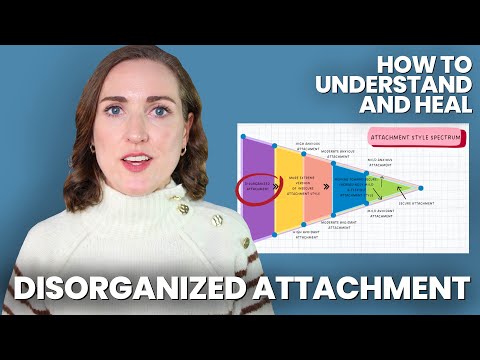
You know that feeling when you’re trying to find your way in a relationship, but nothing seems to click? Yeah, that’s often tied to something called disorganized attachment.
It’s one of those things we don’t really think about until it hits hard. You might find yourself anxious one moment and totally shut off the next. So confusing, right?
But guess what? It comes from our early experiences, how we learned to connect with others. It can mess with our heads and hearts in ways we barely even notice.
Let’s break it down a bit. What causes that funky pattern of clinginess and distance? And how does it affect your mental health? Stick around; I’ve got some thoughts worth sharing!
Understanding Disorganized Attachment: Mental Illnesses Linked to Attachment Styles
Disorganized attachment can sound a bit technical, but it really boils down to how we connect with others, especially when we’re young. When you think of attachment styles, you’re talking about the patterns of how we bond with our primary caregivers. It’s like the blueprint for our future relationships.
What’s Disorganized Attachment? Well, it usually emerges from *chaotic or unpredictable caregiving*. Imagine a parent who is both a source of comfort and fear. One moment they’re loving and nurturing, and the next they might be angry or neglectful. Kind of confusing, right? This unpredictability can lead to a mix of anxiety and avoidance in kids.
Kids with disorganized attachment don’t really know what to expect. They might want closeness but then pull away because they feel scared. It’s like wanting to hug someone but being terrified that they’ll push you away or lash out instead. This could lead to feelings of helplessness or confusion as they grow up.
Mental Illnesses Linked to Disorganized Attachment often include things like depression, anxiety disorders, and personality disorders. You see, when those foundational bonds are shaky, it affects your inner world big time! For instance:
- Anxiety Disorders: A person may become overly worried about relationships or fear rejection since their early experiences taught them that love can be unpredictable.
- Depression: They might struggle with self-esteem because their worth was never consistently validated during childhood.
- Personality Disorders: Some people may develop traits typical of borderline personality disorder—intense emotions mixed with unstable relationships—due to this foundation.
Let’s get real for a sec. Imagine someone who grew up feeling anxious whenever their parent walked in the door because you just didn’t know what mood they’d be in. Fast forward to adulthood: that person might find themselves jumping at every little thing in relationships, constantly seeking reassurance but freaking out at the same time. It’s exhausting!
Causes of Disorganized Attachment typically stem from experiences like trauma or abuse during childhood. It’s not always straightforward traumatic events; sometimes it’s just prolonged stress in the home environment—maybe due to mental illness in caregivers or substance abuse.
What happens is these kids learn that sometimes love hurts and they can’t depend on adults for safety. The world feels dangerous and uncertain.
But here’s where it gets tricky: even as adults, these individuals might not realize why their relationship patterns are so tangled up! They could end up pushing people away while desperately wanting connection at the same time.
So yeah, understanding disorganized attachment is all about peeling back those layers of early experiences that shape how we love and relate later on in life. If you recognize some patterns from your own life unfolding here, talk about it! Whether that’s through therapy or just confiding in someone you trust makes all the difference. Healing starts when you understand where all those feelings come from, you know?
Understanding Disorganized Attachment: Insights from Modern Psychology
Disorganized attachment can be a tough concept to wrap your head around, but it’s super important when discussing how we connect with others. You know, the way we attach to our caregivers as kids shapes how we form relationships later in life.
So, what exactly is disorganized attachment? Well, it’s a type of insecure attachment that often develops in response to inconsistent or frightening behaviors from caregivers. Imagine a child who wants comfort from their parent but also feels scared of them. That mixed message creates confusion. Instead of learning to trust their caregivers, they might end up feeling more anxious and unsure.
Now, why does this happen? A lot of it comes down to trauma. Kids who grow up in chaotic environments—like those with abuse or neglect—are more prone to develop disorganized attachment styles. In those moments when they should feel safe and secure, they feel distressed instead. Their experience is like trying to find your footing on quicksand; you’re not sure where to step next.
There’s also the role of unpredictability in caregiving. Picture this: one moment, a parent might show love and affection, and the next moment they could be angry or absent. This inconsistency can leave kids feeling desperate for connection but also terrified of it. So essentially, the caregiving environment plays a massive role in shaping these attachment styles.
As adults with disorganized attachment styles, you might notice some patterns in relationships. Trust issues often crop up since you’ve learned that closeness can also lead to fear or rejection. You could find yourself pushing people away even while craving their affection. It’s kind of like wanting to dive into a swimming pool but fearing the water at the same time.
So what do you do? Recognizing that you have this style is an important first step! Therapy can be a great option for working through these feelings and experiences. Therapists often use approaches like attachment-based therapy, focusing on building healthier relationship patterns and addressing past traumas.
Overall, understanding disorganized attachment helps you see why you might struggle with connection today. It’s about making peace with your past so you can create healthier bonds moving forward—not easy stuff by any means! But understanding is half the battle; it opens up possibilities for healing and growth over time.
In short, disorganized attachment stems from inconsistent caregiving—often linked to trauma—that creates confusion around trust and safety in relationships both then and now. You’re not alone if this resonates; many people navigate these waters while seeking deeper connections!
Transforming Disorganized Attachment: Steps to Achieve Secure Attachment in Relationships
Transforming a disorganized attachment into a secure attachment in relationships can feel like quite the journey. If you’ve been through it or are experiencing it right now, you know it’s not easy. Let’s break this down.
So, what is disorganized attachment? It’s basically a mix of anxiety and avoidance when it comes to relationships. People with this kind of attachment often have inconsistent experiences in their early relationships, like caregivers who were sometimes loving and sometimes frightening. This can lead to confusion and fear around intimacy as adults.
To transform this into a secure attachment, you can take some specific steps. It might require some time and effort, but hey, it’s totally worth it! Here are some key points:
- Recognize Patterns: Start by looking at your relationship patterns. Do you push people away? Or maybe cling too tightly? Recognizing these patterns is your first step towards change.
- Build Self-Awareness: Understanding your feelings is crucial. Try journaling or talking to someone about your fears and feelings regarding relationships.
- Practice Emotional Regulation: When anxiety hits, finding ways to calm yourself is vital. This could be deep breathing, meditation, or even going for a walk. You know what helps you chill out!
- Seek Therapy: Seriously, talking to a therapist can be incredibly helpful. They can guide you through understanding your attachment style and help you work through past traumas.
- Foster Healthy Relationships: Surround yourself with supportive people who respect boundaries and encourage open communication. Healthy friendships are like practice grounds for romantic relationships.
- Communicate Openly: When you’re in a relationship, being honest about your fears with your partner can create understanding and support. This builds trust!
It’s also helpful to remember that transformation takes time. You might face setbacks along the way; that’s completely normal! I once knew someone who really struggled with relationships because of their disorganized attachment style—they felt unworthy of love. Through therapy and patience with themselves, they eventually built stronger connections with friends and found a partner who understood their needs.
As you work through these steps toward achieving secure attachment, celebrate small victories along the way! Recognizing progress—even if it’s just feeling slightly less anxious—is still progress.
In sum, transforming disorganized attachment involves self-reflection, emotional regulation, healthy relationships, and often professional help too. With consistent effort and support from trusted individuals in your life (and maybe even some great therapy), shifting toward a more secure attachment style is absolutely achievable!
So, let’s chat about disorganized attachment. You know, it’s one of those terms you might hear tossed around in psychology circles, but what does it really mean? Well, imagine growing up with a caregiver who’s sometimes nurturing and loving but other times frightening or confusing. It’s like being on a rollercoaster, where you never know when the next drop is coming. This kind of inconsistency can really mess with how we connect with others later in life.
I remember a friend of mine, Alex. They had a tough childhood—one minute their parent was warm and playful; the next, they were yelling or just completely gone. It left Alex feeling like they weren’t sure if it was safe to get close to people or if they should keep their distance. You can imagine how that affected their relationships! It wasn’t long before Alex found themselves feeling anxious and often misunderstood in friendships and dating.
Now, disorganized attachment usually stems from chaotic home environments. Think about abuse or neglect—stuff that creates fear in a child’s mind about their caregiver. The thing is, when a kid can’t figure out if they can rely on someone for comfort and safety, it creates confusion deep down. The basic trust that most kids develop gets all tangled up.
This kind of attachment style can stick around into adulthood too. You might notice patterns, like having intense relationships that swing between love and anger or struggling to communicate feelings clearly because everything feels so jumbled inside. And honestly? That’s pretty tough to deal with day-to-day.
So yeah, disorganized attachment isn’t something you just shake off easily; it needs attention and often some help from therapy. It could be really beneficial for folks dealing with this kind of emotional baggage to explore their past experiences and how these have shaped their connections today.
In the end, understanding the roots of disorganized attachment can open some doors for healing and growth—just like Alex began to see light when they started therapy and learned ways to build healthier relationships over time!