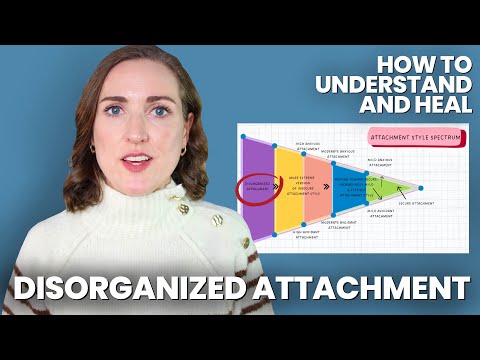
You know that feeling when you just can’t trust anyone, not even yourself?
That’s kinda what it’s like if you’ve got disorganized attachment issues. It’s messy, confusing, and honestly? Super frustrating.
One minute, you’re craving closeness. The next, you’re pushing people away like they’re the plague. Seriously, who wouldn’t feel lost in that whirlwind?
It ties back to how we learned to connect with others when we were little. Makes sense, right? But figuring it out as an adult can feel like solving a Rubik’s cube blindfolded.
So let’s chat about it! There’s a lot going on under the surface, and trust me, you’re not alone in this journey.
Understanding Disorganized Attachment in Adults: A Guide to Healing and Growth
Disorganized attachment in adults is a complex emotional landscape that often traces back to childhood experiences. You know, it’s one of those things that can seriously impact how you relate to others, yourself, and even how you cope with stress. But let’s break this down and see what it really means.
What is Disorganized Attachment?
So, when we talk about disorganized attachment, we’re looking at a style that usually develops from inconsistent care in childhood. Maybe your caregiver was both a source of comfort and fear, creating confusion about safety and love. This can leave you feeling like relationships are both necessary and terrifying.
As an adult, this plays out in unpredictable ways. Maybe you find yourself craving closeness but pushing people away when they get too close. It’s like a rollercoaster of emotions where one minute you’re all in, and the next you’re ghosting someone who was just trying to be there for you.
Signs of Disorganized Attachment
Here are some signs that might resonate with you:
- You struggle with trusting others.
- Your emotional responses can feel chaotic or overwhelming.
- You may engage in behaviors that sabotage your relationships.
- Attachment anxiety or avoidance often flares up.
- You often feel stuck between wanting intimacy and fearing it.
It’s kind of like being on a seesaw without balance—one side pulls you into craving connection while the other sends you running for the hills.
The Healing Journey
Now, healing from disorganized attachment isn’t an overnight fix. It takes time and patience—like learning to ride a bike all over again after falling off. But here’s the thing: it’s totally doable! You might want to explore these steps:
- Acknowledge your feelings: Seriously, sit with those emotions instead of pushing them down. It’s okay to feel confused about connections; acknowledging this is step one.
- Seek professional help: A therapist who understands attachment styles can help unravel these patterns—you don’t have to do this alone!
- Practice self-compassion: Remind yourself that your feelings make sense given your past experiences. Be gentle with yourself!
- Build safe relationships: Surround yourself with people who respect your boundaries but also encourage intimacy at your pace.
- Create routines: Stability can be comforting; having predictable routines may help ground your emotional responses.
This isn’t just about fixing things; it’s about growing into someone who feels secure in themselves and their relationships.
The Path Forward
Look, navigating disorganized attachment can feel scary at times—kind of like standing at the edge of a cliff looking down into foggy waters—but remember there’s hope! You can learn new ways to relate to others while rewriting old patterns that no longer serve you.
Don’t forget: healing is not linear; there will be ups and downs along the way. Embrace your journey as uniquely yours because every step forward is progress—even small ones count!
In short, understanding disorganized attachment gives you insight into why things might feel complicated within yourself and in relationships. With time, effort, and support, growth is not just possible—it’s waiting for you on the other side!
Supporting Your Partner: A Guide to Loving Someone with Disorganized Attachment
Supporting a partner with disorganized attachment can be a bit of a rollercoaster ride. This attachment style often comes from early childhood experiences where safety and security were mixed with fear and confusion. When you love someone like this, it’s important to understand their world, which can help both of you navigate the ups and downs together.
First off, know that your partner may have trust issues. It’s not that they don’t care about you; it’s just that they might have a hard time believing in stability and support. They could swing from wanting closeness to pushing you away without much warning. That can feel pretty confusing, right? Hang in there.
- Be patient: Sometimes they might withdraw or act out in ways that don’t make sense. Rather than taking it personally, give them some space. You’ll want them to know you’re still there when they’re ready.
- Encourage open communication: Letting your partner express their feelings—even the messy ones—can be super helpful. Create a safe space where they don’t feel judged for being vulnerable.
- Stay consistent: Routine can be comforting for people with disorganized attachment. Being predictable in your actions builds trust over time. So simple things like texting them every morning or making plans consistently can help.
Now, let’s touch on emotional support. Your partner might have difficulty managing their emotions—or even recognizing what they’re feeling sometimes! Offer gentle prompts like, “It seems like you’re upset; do you want to talk about it?” This shows you’re there for them without pushing too hard.
Also, keep in mind that past trauma can creep into your relationship unexpectedly. Maybe they’ll suddenly shut down during an argument or react strongly to something minor. That’s when remembering their background is crucial. You could say something like, “I understand if this feels overwhelming; we can take a break.” It shows empathy and helps de-escalate tension.
Another thing worth mentioning is self-care for yourself too—it’s easy to focus solely on your partner’s needs when you’re trying to support them, but don’t forget about your own emotional well-being! Think of it as putting on your oxygen mask first before helping others, okay? Whether it’s going out with friends or spending time doing things you enjoy—stay connected with what brings you joy.
Lastly, if things get especially tough (and sometimes they will), consider suggesting professional help together or individually. Therapy can offer tools for both partners to better navigate these complexities. Just remember—offering this suggestion should come from a place of love and not as criticism.
Loving someone with disorganized attachment means embracing the journey—even when it’s messy! Just by being there and showing understanding, you’re already doing so much good—hang in there!
Effective Strategies for Navigating Relationships with a Disorganized Attachment Partner
Navigating a relationship with someone who has a disorganized attachment style can be pretty tricky. You know? It’s like walking on eggshells sometimes. People with disorganized attachment often struggle with inconsistent behaviors, which can leave you feeling confused and anxious about where you stand. Here are some strategies that might help you both find some balance.
1. Understand Their Background
It’s crucial to get why they might act the way they do. Disorganized attachment usually stems from early childhood experiences, like trauma or neglect. Knowing this can help you approach them with more compassion and patience.
2. Communicate Openly
Talk about feelings without judgment. When something bothers you, express it calmly and honestly. You don’t have to sugarcoat it, but using “I” statements can really help—like saying “I feel worried when…” instead of pointing fingers.
3. Set Clear Boundaries
Boundaries are super important in any relationship, especially here. This means letting them know what behaviors work for you and what don’t, all while being respectful of their feelings too.
4. Be Patient and Consistent
Look, it’s not easy for someone with a disorganized attachment style to trust consistently. Your steady presence can help build that trust over time. Just remember: patience is key!
5. Encourage Professional Help
If they’re open to it, gently suggest therapy or counseling as a way to navigate their feelings more effectively. A good therapist can really make a difference.
6. Recognize Triggers
Every relationship has those moments when things get heated or emotions run high; figuring out each other’s triggers is vital! If you notice a pattern in their reactions during conflicts, address it together calmly rather than letting resentment build.
7. Practice Self-Care
Dealing with emotional ups and downs takes a toll on your own mental health too! Make sure you’re taking care of yourself—spend time doing things that make you happy or relaxed outside the relationship.
In the end, navigating this kind of relationship requires understanding—lots of it! You’ll discover ways to support each other through ups and downs while building something beautiful together… if you’re both willing to put in the work.
Just remember: it’s okay to seek support for yourself as well! Surrounding yourself with friends or even talking to a friend about your experiences could be super helpful too!
Disorganized attachment can be a real toughie. It’s like trying to find your way through a maze with no map. I remember talking to my friend Sarah about this once. She described her childhood as a rollercoaster—lots of ups and downs, but the downs really shook her. Her parents were loving sometimes but also unpredictable and frightening. Sarah didn’t know how to feel safe or connected. It left her confused, and honestly? It still affects her relationships today.
So, disorganized attachment usually stems from inconsistent caregiving during childhood. You might have caregivers who are supportive one moment and then frighten you the next, which creates this weird push-and-pull in your emotional world. You crave that connection but also fear it, which is super tricky to navigate as you grow up.
What happens is folks with this type of attachment often struggle in their relationships. You find yourself doubting others’ intentions or feeling overwhelmed by intimacy, right? Like, one minute you want closeness and the next? You’re pushing people away because it feels too risky. That’s totally understandable.
And here’s the kicker—many people don’t even realize they’re dealing with disorganized attachment until it starts impacting their lives significantly. Maybe you get caught in cycles of dysfunction in your friendships or romantic partnerships, feeling both drawn to and terrified of real connection.
Finding support can be a game changer, though! Therapy can help you untangle those knots formed over years of conflicting emotions. A good therapist will help you understand where those feelings come from and teach you ways to create healthier relationships.
It’s not an easy journey, but hey—it’s possible to rewrite your emotional script. And when those habits start shifting? Life opens up in surprising ways!