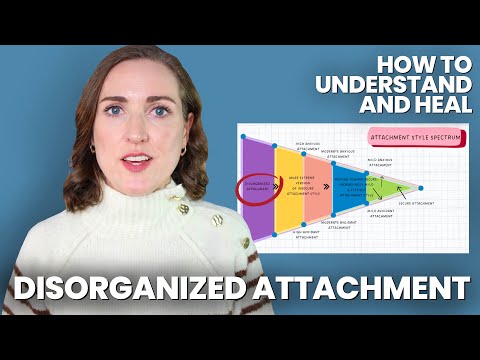
You know that feeling when you just can’t make sense of your relationships? Like, one minute you’re super close to someone and the next, it feels totally off? It’s confusing, right?
Well, that could be tied to something called disorganized attachment style. It’s like a puzzle piece that doesn’t quite fit anywhere. And it can really shake things up in adult life.
Imagine trying to connect with others but feeling all twisted up inside. That’s what this attachment style can do. Let’s break it down and see how it plays out for folks like us. You in?
Understanding Disorganized Attachment Style: Its Impact on Adult Mental Health According to DSM-5
Disorganized attachment is a pretty complex but important thing to understand if you’re thinking about mental health, especially in adults. Basically, it stems from childhood experiences—think caregivers who are erratic or frightening. Children with disorganized attachment might feel confused or scared by their caregivers. This messes with their ability to form healthy relationships later on.
Now, the DSM-5, which is the manual used by professionals to diagnose mental issues, highlights disorganized attachment as one of the key styles that affects emotional regulation and interpersonal skills in adulthood. So, here’s how it can impact your life:
- Difficulty Trusting Others: Adults with this style often struggle to really trust people. You might feel like you can’t rely on anyone completely.
- Problems with Relationships: Relationships can be super tough! You may swing between wanting closeness and pushing people away out of fear.
- Emotional Instability: It’s common to experience intense emotions that feel out of control. Like one moment you’re okay and the next you’re overwhelmed.
- Fear of Abandonment: There’s often a deep-seated fear that loved ones will leave or be unpredictable. It can make even small conflicts feel like disasters.
- Coping Mechanisms: Some folks with this attachment style might turn to unhealthy habits—like substance use—to cope with anxiety or depression.
Let’s put this into perspective. Imagine Sarah, who grew up in a home where her parents fought constantly but then turned around and acted like nothing happened. As an adult, she craves intimacy but her past makes her terrified of being hurt. So she dives into relationships headfirst but ends up sabotaging them because she freaks out when things get too close.
A lot goes on beneath the surface for people with disorganized attachment styles. They often have trouble identifying their feelings or figuring out what they need from others. That confusion doesn’t just affect personal relationships; it can also show up at work or in social situations where they feel insecure.
Treatment options usually involve therapy focused on building safe connections—basically re-learning how to trust others. Therapists might use approaches like *attachment-based therapy* to help unravel these old patterns and learn new ones.
So yeah, understanding disorganized attachment is crucial because it opens a window into your emotional world and helps guide healing processes for many adults struggling with these issues today!
Understanding Disorganized Attachment Style: Its Impact on Adult Relationships
Sure! Let’s break down what disorganized attachment style is and how it affects adult relationships.
Disorganized attachment often develops in chaotic or unstable environments during childhood. Think about a time when you felt confused about someone’s actions. That’s kind of what this attachment style feels like in relationships. It creates confusion and mixed feelings.
People with a disorganized attachment may have had caregivers who were unpredictable, sometimes nurturing, but other times frightening or neglectful. This inconsistency makes it hard for them to form secure attachments later on, which can be rough when it comes to love and friendships.
In adult relationships, this style can lead to some pretty challenging dynamics. Here’s how it plays out:
- Fear of Intimacy: You might crave closeness but also feel terrified of it. This leads to a push-pull effect where you want connection but then back away.
- Difficulty Trusting: Trust issues are common. You might doubt others’ intentions, wondering if they’ll hurt you or leave.
- Emotional Rollercoaster: Your emotions can swing wildly from feeling deeply connected to feeling utterly distant and alone.
- Poor Communication: Expressing feelings isn’t easy either. You might find yourself shutting down or lashing out during conflicts instead of talking things through.
- Repeating Patterns: You might find yourself drawn to partners who replicate the unpredictability you experienced as a child, which just continues the cycle.
Let me tell you about Sarah—a friend of mine who has struggled with this for years. She’d fall in love quickly but would freeze up whenever her partner wanted to get serious. One minute, she was all in, and the next, she’d ghost him without explanation. It wasn’t that she didn’t care; she just didn’t know how to handle the intensity that came with intimacy.
A major challenge for adults with this type of attachment is they often end up feeling isolated even when surrounded by people—or even being in relationships! It’s tough because they want genuine connection but don’t know how to create it without chaos.
Another important point is that people with a disorganized style can benefit from therapy. A skilled therapist can help untangle all those complex emotions and experiences, making sense of past traumas and learning healthier ways to connect with others.
If you think this sounds familiar—either for yourself or someone close—know that it’s okay! Understanding these patterns is the first step toward healing and forming meaningful relationships moving forward.
In short, disorganized attachment can seriously complicate adult relationships, leaving folks feeling stuck in confusion and fear about love and intimacy. But remember: knowledge is power! Understanding these dynamics opens doors for change and healing over time.
Understanding Disorganized Attachment Style: Impact on Adult Relationships and Emotional Well-being
Disorganized attachment style is one of those things that can really shape how someone interacts in relationships as an adult. So, what’s the deal? Well, it’s basically rooted in early childhood experiences, often taking shape when a child has caregivers who are inconsistent or frightening. Like, imagine a kid who feels both the urge to seek comfort from their caregiver and the fear that comes from that same person. It’s super confusing, right?
Adults with a disorganized attachment style might find themselves caught in a cycle of push and pull in their relationships. They crave closeness but also feel anxious about it. This often leads to intense emotional experiences, where one moment they’re all in, and the next they might ghost you or pull away. You follow me?
Here’s how disorganized attachment can impact adult relationships:
- Fear of Intimacy: People may struggle to connect deeply with others because they fear being hurt or rejected.
- Emotional Outbursts: Sudden bursts of anger or sadness can happen unexpectedly during conflicts.
- Lack of Trust: Trust is hard to build when you’ve grown up feeling uncertain about your caregivers’ reliability.
- Difficulty Communicating Needs: Adults may not know how to express their feelings or needs clearly, making misunderstandings common.
Let me share a little story here—there’s this friend of mine. She always seemed super friendly and bubbly but would sometimes shut down when things got too close emotionally. One day we were chatting about her latest relationship drama, and she revealed that every time her partner tried to get serious, she felt this overwhelming panic. She wanted love but also felt terrified by it! That’s just a classic example of what disorganized attachment can do.
Another key thing is emotional well-being, which takes quite a hit for those with this style. Anxiety, depression, and even feelings of worthlessness can creep in over time as they navigate these ups and downs in their relationships.
To cope with these challenges, therapy can be a game-changer. A good therapist helps individuals understand their patterns better and work through their emotional hurdles. Techniques like cognitive-behavioral therapy (CBT) might encourage healthier thinking about relationships.
In short, disorganized attachment isn’t just some label—it’s an impactful way of interacting with others that traces back to childhood experiences. You could think of it as someone trying to build a bridge while constantly feeling the ground beneath them shifting! Understanding this can seriously help improve emotional well-being and relationships over time if you’re willing to put in the work.
So, let’s chat about disorganized attachment style. You know, sometimes when we think about how we connect with others, it’s like peeling an onion—you think you’re getting somewhere, and then there’s just more layers. Disorganized attachment is one of those layers that can really mess with how we relate to people in adulthood.
Imagine a kiddo who looks to their caregiver for comfort but also feels scared of them. That’s what happens with disorganized attachment. It’s like they’re stuck in this confusing loop of wanting to be close but also not knowing how to be. Fast forward to adulthood, and things can get pretty complicated.
Take Sarah, for instance. She grew up in a tumultuous home where her parents were often loving but unpredictably angry or scary. As an adult now, she craves connection but pushes people away before they get too close. She’ll find herself in a relationship and feel this intense pull toward her partner—but then out of nowhere, she’ll panic and act distant. It’s like she wants love but can’t trust it at the same time, which leaves her feeling lonely and overwhelmed.
In relationships, adults with this attachment style might come across as unpredictable themselves—sometimes really warm and affectionate one minute, then aloof the next. This inconsistency can drive partners nuts! They may struggle with trusting others or even sabotage good relationships because they’re terrified of being hurt again—or worse, being rejected.
But what makes this all the more tricky? It doesn’t just impact romantic relationships; it spills over into friendships and even work dynamics too! Imagine feeling anxious during team projects or unsure if your friends genuinely care about you because you’ve always felt uncertain about love and support.
Here’s the thing: recognizing these patterns is the first step toward change. Therapy can offer a safe space to unpack those old feelings and learn healthier ways to relate to others. It’s not easy—but as Sarah found out through therapy sessions full of honest conversations (and maybe some tears), understanding where those feelings come from helped her slowly build more stable connections in her life.
So yeah, disorganized attachment isn’t just a label; it shapes experiences and relationships in profound ways. By acknowledging these patterns—no matter how messy—they can start building toward healthier connections where trust isn’t just a dream but actually something real that they can hold onto!