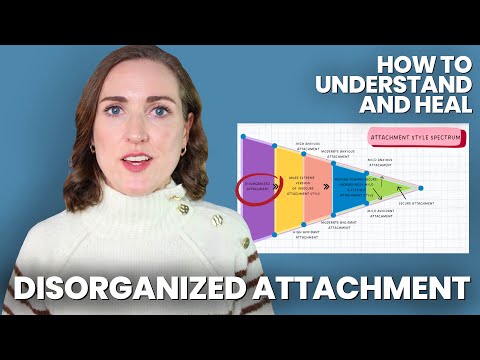
Hey, have you ever felt all over the place in your relationships? Like one minute you’re into it, and the next you’re pulling away? It’s a wild ride, right?
That might be because of something called disorganized attachment style. Sounds fancy, huh? But it’s really just a way to explain why things sometimes feel chaotic with the people you care about.
So what does that mean for you? Well, it’s all about how those early experiences shaped how you connect with others. And figuring it out can be like shedding some light on those confusing feelings.
Stick around, and I’ll share some thoughts on recognizing that disorganized vibe in your relationships and maybe even help make sense of it all.
Navigating Relationships with Disorganized Attachment Style: Tips for Building Healthy Connections
Relationships can feel like a rollercoaster when you’ve got a disorganized attachment style. It’s a bit of a wild ride, right? You might find yourself feeling anxious one minute, then pulling away the next. That confusion can totally mess with your connections. So, let’s break down how you can navigate relationships when disorganized attachment is in the mix.
First off, it helps to **recognize your patterns**. So, ask yourself: do you find it tough to trust others? Do you crave closeness but also feel scared of it? These feelings are pretty common for folks with this attachment style. Just knowing that these reactions come from past experiences—it really helps to put things into perspective.
Communication is key. Don’t hold back on expressing what you’re feeling. If you’re upset or confused about something your partner said or did, just talk about it! Being open about your fears and needs can create a safe space for both of you. For instance, if your partner notices you’re pulling away, being upfront about needing space or reassurance can stop misunderstandings in their tracks.
Now, let’s talk about **setting boundaries**. This is huge! It can help create a sense of safety in the relationship. Think of it as saying “This is my comfort zone; please respect it.” It could be something simple like asking for time alone after a long day or letting them know how much affection feels okay for you at any moment.
Another thing that really helps is practicing **self-soothing techniques**. When those feelings of anxiety kick in—maybe because of an unreturned text or an awkward moment—find ways to calm yourself down. Deep breathing, going for a walk, or even chatting with a friend who understands your background can ground you again.
Focus on small steps. Building trust and connection doesn’t happen overnight; it’s all about incremental progress! Instead of overwhelming yourself by diving into intense discussions right away, take baby steps toward deeper conversations over time.
Try to also embrace **vulnerability** when the situation feels right! This might mean sharing something personal with your partner when you’re ready. Letting someone see your more authentic self—even if it’s scary—can help bridge gaps between you two.
And while you’re at it, stay open to feedback from your partner too! Sometimes we get stuck in our heads and miss what others see clearly about us. If they’re concerned about certain behaviors or patterns you’ve shown in the relationship, listen without getting defensive. They’re coming from love and concern!
Lastly…remember that healing takes time! Relationships aren’t just built on perfect moments; they’re forged through struggles and growth together. Celebrate little victories along the way—you both will grow stronger through consistency and understanding!
So yeah, even though navigating relationships with disorganized attachment isn’t easy every day—it’s totally doable! With some commitment to growth and communication, you can cultivate healthier connections that work for both of you.
Identifying the Red Flags of Disorganized Attachment Style: Key Signs to Watch For
Disorganized attachment style can be a real rollercoaster in relationships. If you’re trying to figure it out, there are some key signs—red flags, if you will—that might pop up. So, let’s break it down.
First off, what is disorganized attachment? It usually develops from inconsistent caregiving during childhood. It’s like being caught between wanting closeness and feeling scared of it. This inner conflict can leave you feeling confused in your relationships.
So, here are some red flags to watch for:
Connecting these dots can lead to confusion about how you feel about yourself and others. For instance, maybe there was a night when your partner tried to have a heart-to-heart with you. Instead of opening up, though, you felt overwhelmed and ended up switching topics or shutting down completely. That’s classic behavior tied back to disorganized attachment.
Recognizing these signs isn’t easy—it takes time and reflection. But once you’re aware of what’s going on inside you, it opens the door for some serious growth.
And look—if this sounds all too familiar or hits close to home? Talking with a therapist who gets attachment styles could really help sort through those tangled feelings and behavior patterns. Just remember: you’re not alone in this!
Understanding DSED in Adults: Signs, Symptoms, and Impacts on Mental Health
Disordered Attachment Style in adults, particularly Disorganized Attachment, can be pretty complex. If you’ve ever felt like your relationships are a rollercoaster of emotions – one minute you’re close to someone, and the next you feel distant or fearful – you might be experiencing some symptoms of DSED. This isn’t just about having trust issues; it goes deeper.
People with a Disorganized Attachment Style often show signs like:
- Inconsistent Behavior: One moment you’re seeking closeness, the next you’re pushing people away. It’s confusing, right?
- Fear of Intimacy: There’s this weird mix of wanting connection but also being terrified of it. You might sabotage relationships because they feel too risky.
- Difficult Emotions: Managing your feelings can become chaotic. You may experience intense moments of anxiety or anger without knowing why.
- Poor Self-Image: You might struggle with self-esteem issues, which can spill into how you view others and build relationships.
Let me tell you about Jake. He had a rough childhood filled with instability—parents who were both there and not there at the same time. In his adult relationships, he would often act out in ways that puzzled his partners. One day he’d be all in for a cozy night together; the next day he’d ghost them entirely. That back-and-forth behavior stemmed from his disorganized attachment style.
People like Jake often carry unresolved trauma from their pasts, which shapes their interactions in adulthood. This can lead to feelings of isolation and loneliness even when they’re surrounded by loved ones.
Another big part of DSED is how it impacts mental health. Those erratic emotional responses can lead to heightened anxiety levels and even manifest as depression over time. It’s common for people dealing with disorganized attachments to feel overwhelmed by emotions they can’t quite place.
Relationships are tough for anyone, but if you’re navigating life feeling unsure about how to connect or if you even deserve love, things can get messy fast. The fear of betrayal or abandonment looms large, causing significant stress that affects every aspect of life—from friendships to romantic partnerships.
Recognizing these patterns is the first step towards change. Therapy, especially approaches that focus on understanding attachment styles (like Emotionally Focused Therapy), could be super helpful here. It allows individuals to work through those past traumas and develop healthier ways to connect with others.
So yeah, dealing with Disorganized Attachment isn’t easy—just know that you’re not alone if this resonates with you! Acknowledging these challenges is essential for healing and building lasting connections in your life.
You know, relationships can be super complicated, right? If you’ve ever felt like your feelings are all over the place when it comes to love or friendship, you might want to look into something called disorganized attachment. It sounds all fancy, but really, it’s just a way of describing how some of us learned to connect with others—often in a not-so-great way.
Imagine a kid whose parents were loving one moment and then completely scary or neglectful the next. That kid grows up feeling confused about love. They crave closeness but also push people away because they don’t know if they can trust them. It’s like wanting to hug someone while also wanting to run away. Can you relate?
So, assessing your disorganized attachment style isn’t about slapping a label on yourself and calling it a day. It’s more like peeking into the back of your mind and heart to see what’s really going on there. When you’re in a relationship, do you find yourself getting anxious when things are going well? Or maybe you have this fear that your partner will suddenly change or leave? That could be your inner child throwing a tantrum because it’s afraid of being hurt again.
I remember a friend of mine who had this exact struggle. She’d get so excited each time she started dating someone new. But as soon as things began to feel serious, she’d freak out and pull back. It was heartbreaking seeing her sabotage her own happiness simply because she didn’t trust that good things could last.
When you’re assessing where you fit within this style, ask yourself tough questions: Do I seek intimacy but then panic when I get it? Am I sending mixed signals to my partner without even realizing it? There’s no judgment here—just honesty with yourself.
It also helps to talk things out with someone who knows this stuff—like a therapist or even just a close friend who gets it. You don’t have to navigate these choppy waters alone.
Recognizing and understanding your disorganized attachment style is like shining a light in the dark corners of your relationship world. And hey, that light can lead the way for healthier connections down the road! So, take your time with this journey; it’s all part of understanding yourself better and ultimately finding relationships that feel safe and fulfilling.