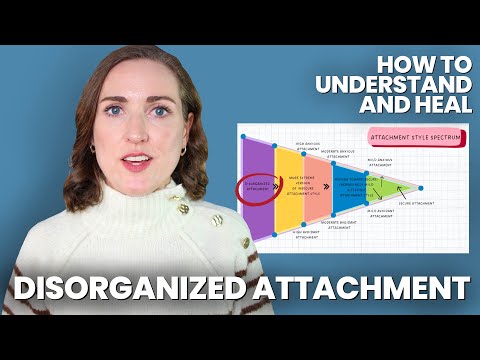
So, let’s chat about something a bit off the beaten path: disorganized attachment. It sounds fancy, right? But it’s kinda crucial for understanding ourselves and our relationships.
You ever notice how some people react all over the place in relationships? One minute they’re all in, and the next they’re totally distant? Yeah, that’s what we’re talking about here. It’s like a rollercoaster of emotions that can really mess with your head.
The Disorganized Attachment Test is one way to peek into this chaotic emotional world. It’s not just some lab coat stuff; it really ties into mental health in a big way. You follow me? Understanding how we connect with others can help unlock a lot of personal mysteries.
Stick around, and we’ll break it down together!
Understanding Disorganized Attachment: Insights from Reddit on Its Impact on Mental Health
Understanding Disorganized Attachment can feel a bit daunting, especially when you dive into its impact on mental health. This attachment style often stems from childhood experiences where caregivers were a source of both comfort and fear. You know how as kids, we look to our parents for safety? Well, in disorganized attachment, that safety feels inconsistent or chaotic.
So, what does this look like in real life? Imagine a child who runs to their caregiver when they’re scared but also flinches when the caregiver approaches. It’s kind of like being torn between wanting love and feeling scared of it. As these kids grow up, they might struggle with forming stable relationships or handling emotions effectively. Their emotional responses? Sometimes all over the place.
From what I’ve seen on Reddit threads discussing disorganized attachment, people often share stories that really highlight this struggle. Some describe feeling overwhelmed by anxiety in relationships—like they really want closeness but then push people away because it feels too intense. They might describe feeling empty or even numb at times when interacting with others.
Now, let’s break down some key impacts on mental health:
- Anxiety and Fear: Many individuals with disorganized attachment experience heightened anxiety levels, especially in relationships. They often fear abandonment yet dread intimacy.
- Difficulty Trusting Others: Forming bonds can be tough because they’ve learned to expect unpredictability from those they should trust.
- Emotional Regulation Issues: Regulating emotions can be challenging; feelings might swing wildly from extreme joy to deep sadness without much warning.
- Potential for Mental Health Disorders: There’s a link between disorganized attachment and conditions like depression or PTSD. When the past is chaotic, the present can feel just as messy.
Interestingly enough, people often discuss their experiences with therapy on those forums too. Many find that having a therapist who understands attachment styles makes a world of difference. It helps them unpack those childhood experiences and start forming healthier connections now.
There are tools out there—like the Disorganized Attachment Test—that professionals use to gauge someone’s attachment style more clearly. This test isn’t about labeling someone; it’s more about understanding how past experiences shape current behaviors and feelings.
In short, disorganized attachment has real implications for mental health that ripple through various aspects of life—the way you connect with loved ones or handle stress isn’t just random; it’s often tied back to those early relationships you had as a kid.
So if you identify with any of this stuff? Just know you’re not alone! There are ways to work through these challenges and move towards healthier attachments in your relationships now and in the future.
Understanding the Disorganized Attachment Test: Its Impact on Mental Health [PDF Guide]
The Disorganized Attachment Test is a fascinating tool in psychology, you know? It’s designed to help us understand how early childhood experiences influence adult relationships and mental health. When we talk about *disorganized attachment*, we’re focusing on a pattern where kids don’t have a clear way to relate to their caregivers. It’s, like, pretty complicated.
What is Disorganized Attachment?
To break it down, disorganized attachment happens when a child shows inconsistent behaviors toward their caregiver. They might seem confused, scared, or even freeze up during interactions. This can occur in homes where there’s unpredictability or trauma—like if a caregiver is emotionally unavailable or abusive. Children, in these situations, don’t know whether to seek comfort or keep their distance.
Why Does It Matter?
Now, the impact of this disorganized attachment style can ripple out throughout life. People with this background may struggle with relationships as adults. Imagine someone constantly pushing others away but then feeling lonely—it’s tough! They often deal with high levels of anxiety and may even experience symptoms of depression.
The Disorganized Attachment Test
So, how do we figure this all out? That’s where the Disorganized Attachment Test comes in. This assessment involves observing how individuals react to certain situations that mimic those early attachment experiences. By looking at responses—like body language and emotional expressions—therapists can start to piece together an individual’s attachment style.
- Observable Responses: The test reveals patterns like fearfulness around relationships and difficulty managing stress.
- Emotional Regulation: It shows how well someone can handle their emotions—if things get overwhelming, they might shut down or act out.
- Coping Mechanisms: How they cope with feelings tells us a lot about their strategies for dealing with anxiety and intimacy.
The Emotional Backdrop
Let me share an emotional anecdote here; there was a guy named Jake I once read about. He grew up in a chaotic home where his parents would fight unpredictably and sometimes lash out at him when things got tense. As an adult, Jake found himself unable to trust anyone; he’d either cling too tightly to friends or push them away entirely when they got too close. His struggle to connect stemmed from that disorganized attachment as a child.
Understanding these patterns is key for individuals like Jake who might not even realize why they feel the way they do in relationships. Therapy often helps them unpack these experiences and develop healthier attachments over time.
The Benefits of the Assessment
The Disorganized Attachment Test isn’t just for diagnosis—it can also guide therapy! By identifying these patterns early on:
- Tailored Interventions: Therapists can create specific strategies aimed at addressing the unique needs of individuals.
- A Better Understanding: Clients become more aware of how their past influences their present behavior.
- Relationship Improvement: With guidance, people learn healthier ways to interact with others.
In short, understanding the Disorganized Attachment Test sheds light on some pretty complex emotional struggles people face every day. Recognizing this pattern can pave the way for healing—and isn’t that what it’s all about?
Understanding and Healing Disorganized Attachment in Adults: A Comprehensive Guide
Understanding disorganized attachment in adults is like peeling back layers of an onion. It’s complex and often rooted in childhood. When you think about attachment styles, you might picture a secure bond or maybe anxious and avoidant types. But then there’s **disorganized attachment**, which can be a bit trickier, you know?
So, what is disorganized attachment? It typically stems from unpredictable caregiving experiences during childhood. Imagine growing up with caregivers who were sometimes nurturing but also frightening or abusive. That creates this confusing mix where the child doesn’t know whether to seek comfort or pull away. As adults, this can translate into chaotic relationships and a sense of inner turmoil.
When it comes to **healing disorganized attachment**, understanding is key. You might experience intense emotions, struggles with intimacy, or even feel disconnected from yourself. There’s often a fear of being vulnerable that makes forming healthy relationships tough.
Now, let’s break down some ways to tackle this:
- Therapy: A safe space can be super helpful. Types like **attachment-based therapy** focus on understanding your relationship patterns.
- Mindfulness: Learning to be present can help ground you when emotions get overwhelming.
- Healthy Relationships: Building connections with supportive people can guide you toward healthier attachments.
- Self-Reflection: Journaling your thoughts and feelings helps process emotional experiences.
You might wonder how the **Disorganized Attachment Test** fits into all this. This test helps identify disorganized attachment traits by assessing your relationships and emotional responses. Knowing where you stand can be a game changer for personal growth.
One real-world example? Picture someone who has always pushed partners away out of fear but yearns for closeness at the same time. Understanding their disorganized attachment style helps them recognize patterns in how they interact with loved ones—like withdrawing during arguments or feeling overwhelmed by affection.
Healing takes time, like rebuilding a house after a storm—slowly but steadily putting each piece back together again. There may be setbacks; that’s totally normal! Working with a therapist who gets these issues is invaluable as they guide through this tough journey.
So remember, wrapping your head around disorganized attachment is just the first step. With effort and support, healing and healthier relationships are absolutely achievable!
You know, when we talk about relationships—especially those early ones—it’s like the foundation of a house. If it’s shaky, well, the whole thing can wobble. That’s where something like disorganized attachment comes in. It’s kind of fascinating, and a bit heartbreaking too.
So, the Disorganized Attachment Test (or D.A.T., if you wanna keep it short) basically reveals how kids respond to caregivers in stressful situations. Imagine a little one looking confused and scared when they’re supposed to find comfort in their parent. It’s like watching someone try to hug a pillow that’s not there, you feel me? They might want connection but don’t know how to reach out because their caregiver is, let’s say, inconsistent or even frightening at times.
This weird dance can stick with them into adulthood. People with disorganized attachment often carry a lot of unresolved pain. They might struggle with trusting folks or feel super overwhelmed in their relationships. Like my friend Lisa—she grew up in an environment that felt chaotic and unsafe. Now she finds herself pushing people away just when they start to get close or feeling anxious whenever things are going too well.
The D.A.T. is more than just some test; it really shines a light on how those early experiences shape our mental health later on. People who have this attachment style might deal with anxiety or depression more than others because their nervous systems never quite got the memo that it’s okay to relax and lean on someone else.
What I find interesting is that understanding this attachment style gives people some roadmap for healing. It’s not just about figuring out why you act a certain way; it’s about learning how to change those patterns and build healthier connections over time. That realization can be super empowering!
So yeah, while disorganized attachment can seriously complicate things down the road, recognizing it is like turning on a light in a dark room—you finally see what needs fixing! It takes work but there’s hope for anyone willing to dig deeper and untangle those old knots—like Lisa finding ways to let people in instead of shutting them out completely.