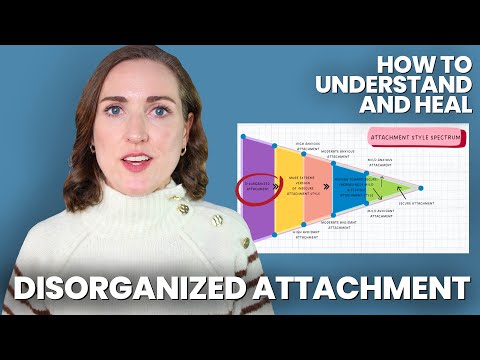
So, let’s chat about something that can be super tough—disorganized fearful avoidance. Yeah, it sounds like a mouthful, but stick with me here. You know those moments when you’re feeling all kinds of anxious?
Well, imagine that multiplied by a ton. It’s like your brain is tossing you around in a chaotic sea and you’re just trying to keep your head above water.
You might feel pulled in different directions. One minute you want connection, and the next you’re running away from it. It’s confusing and exhausting, right?
But don’t worry! You’re not alone in this struggle. Lots of folks deal with these feelings—like really deal with them! So let’s unpack this mess together. Sound good?
Recognizing the Signs: Is Your Fearful Avoidant Partner Testing Your Commitment?
So, let’s talk about this whole fearful avoidant attachment style thing. It’s a real complex dance in relationships. If you’ve got a partner who seems super into you one moment and then suddenly pulls back, it can feel confusing. You might be wondering if they’re just testing your commitment or if there's something deeper going on.

A partner with a fearful avoidant style might struggle to trust their own feelings or yours. They want closeness but fear it at the same time, which can lead to some serious push-pull dynamics. Here are a few signs that your partner might be testing your commitment:
- Hot and Cold Behavior: One minute they’re affectionate and open, the next they seem distant or even anxious when you get close. This inconsistency can feel like emotional whiplash.
- Avoiding Serious Conversations: They might dodge talks about feelings or commitments, as if that would somehow make things more real and scary.
- Creating Distance: Sometimes they’ll pull away for no clear reason. You might text them and get no reply, leaving you feeling unsure about where things stand.
- Pushing Boundaries: They may test how much you’re willing to put up with. This could show up as them being overly negative or critical at times, almost like they’re checking if you’ll stick around.
- Expressing Insecurity: If they often voice concerns about not being good enough for you or worry that you’ll leave, that’s a big red flag pointing towards their fearful-avoidant tendencies.
Now, I remember one time my friend Rachel was dating someone who would do just this—one day he’d be sweet and planning romantic outings; the next day he’d cancel at the last minute with some excuse that didn’t even make sense. Honestly? It was exhausting! Eventually, she figured out he had major trust issues from his past. He was so scared of being hurt that he would back away whenever things felt too real.
The thing is, it doesn’t mean your partner doesn’t care about you; it’s often more about their unresolved fears than anything else. So how do you deal with this?
Communication is key here! But also realize that it’s important to stay grounded yourself during these fluctuations in behavior. Being supportive while also setting boundaries will help both of you navigate these challenges together.
In summary, recognizing these signs can help you understand what’s happening beneath the surface of your partner’s actions. It won’t solve everything overnight; relationships take work! But with patience and empathy, navigating those tricky feelings might just bring you closer together instead of tearing you apart.
Understanding Fearful Avoidant Triggers: Strategies for Overcoming Anxiety and Building Healthy Relationships
Fearful avoidant attachment can feel like you’re on a rollercoaster ride with your emotions. One moment, everything seems fine, and the next? You’re anxious, pulling away from connections that could be meaningful. Understanding the triggers that spark this anxiety is key to building healthier relationships.
So, what does it mean to have fearful avoidant triggers? Think of it this way: these triggers often come from past experiences. Maybe you’ve been hurt in relationships before—perhaps through rejection or betrayal. This shapes how you react to new connections. You might find yourself avoiding closeness altogether because, deep down, you fear getting hurt again. It’s a protective mechanism, even if it feels counterproductive.
An example? Imagine you’re dating someone who seems really into you. But then they pull back for a bit—just life stuff. Instead of going with the flow, your mind races: “Did I say something wrong?” or “Are they losing interest?” That anxiety kicks in and suddenly you’re ghosting them, not because you want to but because you’re afraid of being vulnerable.
To tackle these triggers head-on, there are some strategies that can help. Here’s a few you might find useful:
- Identify Your Triggers: Take a moment to think about what specifically sparks your anxiety. Is it someone cancelling plans? Or maybe it’s when things start to get too serious too fast?
- Practice Self-Compassion: Be gentle with yourself when these feelings arise. Remind yourself that it’s okay not to be perfect and that others struggle too.
- Communicate Openly: Share your feelings with those close to you. Letting them know about your fears can lead to understanding and support.
- Take Small Steps: Rather than diving straight into emotional vulnerability, take baby steps towards opening up. It could be sharing something minor about yourself first.
- Create a Support System: Surround yourself with people who understand where you’re coming from—friends or family who offer encouragement and reassurance.
Building healthy relationships when dealing with fearful avoidance isn’t impossible; it just requires some work and patience.
If you’ve ever felt overwhelmed by someone trying to get close—like an emotional wall goes up—you’re not alone in this! Acknowledging those feelings is part of the process towards change.
So remember, it’s all about progress, not perfection. Each little step towards understanding your fears is a victory in itself! Embrace the journey of learning about yourself; it’s totally worth it!
Understanding Fearful Avoidant Attachment: Navigating the Challenges of Disorganized Attachment Styles
Understanding fearful avoidant attachment can be a bit of a maze, but once you get the hang of it, things start to make more sense. So, let’s break it down!
Fearful avoidant attachment is like a tug-of-war in your heart. You want to connect with others, yet you’re scared of getting too close or being hurt. This often comes from early experiences. Picture this: maybe as a kid, you had caregivers who were sometimes loving but sometimes frightening or dismissive. It’s like they were the sun on a cloudy day—sometimes warm and caring, other times distant and intimidating.
People with this kind of attachment style often feel conflicted about relationships. They crave intimacy but fear vulnerability. This can lead to some pretty confusing patterns in your adult life.
Here are some common characteristics:
- A strong desire for closeness mixed with anxiety about being rejected.
- Trouble trusting others—even those who genuinely care for you.
- Self-sabotaging behaviors that push people away, even when you want them close.
- Emotional highs and lows that can be exhausting for both you and your friends.
Imagine you’re sitting in a café with someone special. You really like them and want things to go well; however, your mind starts running wild—you wonder if they’re going to ghost you or if you’re going to mess everything up. So, instead of leaning in for that deeper conversation, you crack jokes or change the subject just to keep everything light. It’s frustrating because deep down, all you want is connection.
Another thing that complicates this emotional life is how those feelings manifest physically too! You might be cool on the outside but internally feel like a roller coaster when it comes to connection. It’s not uncommon to experience anxiety symptoms even in safe spaces—like racing thoughts or sweaty palms during moments of intimacy.
Navigating these challenges involves some inner work:
- Recognizing your patterns can help break the cycle—awareness is key here!
- Working with a therapist who gets these dynamics can provide tools and strategies.
- Practicing self-compassion—you’re not alone in feeling this way!
So what does therapy look like for someone dealing with fearful avoidant attachment? Well, a good therapist won’t just tell you what’s wrong; they’ll help create a safe environment where you can explore these fears openly without judgment.
It’s also worth noting that recovery isn’t linear—it may feel like two steps forward and one step back sometimes. That’s normal! Give yourself grace as you navigate this complex emotional landscape.
In short, understanding and addressing fearful avoidant attachment takes time and effort but don’t lose heart! By recognizing these patterns and seeking connection—with yourself first—you can build healthier relationships over time. If you’ve got any questions about this journey or want to chat more about it, I’m all ears!
You know, when we talk about disorganized fearful avoidance, it’s kind of like a dance with your own emotions, right? Picture this: one moment, you’re feeling all cozy and safe, and the next, you’re overwhelmed with doubt and fear. It’s a bit of a rollercoaster, to say the least.
I remember a friend who struggled with this. She always seemed calm on the outside but was constantly battling inner chaos. When she faced situations that reminded her of past trauma, it was like her brain hitched a wild ride. One minute she’d want to connect with others or dive into new experiences. The next, though? You could almost see her pulling away like someone dodging raindrops on a bad weather day. It was rough seeing her go through that push-and-pull.
The tricky part here is understanding the “why” behind these feelings. It can stem from early experiences where safety felt inconsistent—lots of ups and downs in relationships that mess with your sense of security. So now, even small things can trigger an overwhelming desire to run away or shut down entirely.
And then there’s the guilt! Seriously, my friend would feel terrible for not being able to just take things in stride like everyone else seemed to do. She’d say things like “I should handle this better,” which broke my heart because it’s not about being strong or weak; it’s about being human and dealing with some heavy stuff.
Navigating through those challenges means working on self-compassion too—as if you were talking to a close friend instead of yourself sometimes! Acknowledging those feelings rather than pushing them aside can make all the difference. You learn to sit with discomfort rather than bolting for comfort zones.
Finding therapy that clicks can be part of that journey as well! It gives you a safety net while figuring out how to manage those emotions and build healthier connections over time. Taking baby steps—like reaching out when you feel tempted to isolate—can gradually reshape how you approach relationships.
In essence, tackling disorganized fearful avoidance is all about recognizing patterns without beating yourself up for them. It’s awkward at first but takes courage—a journey toward understanding what triggers those fears so you can start rewriting your own story piece by piece.