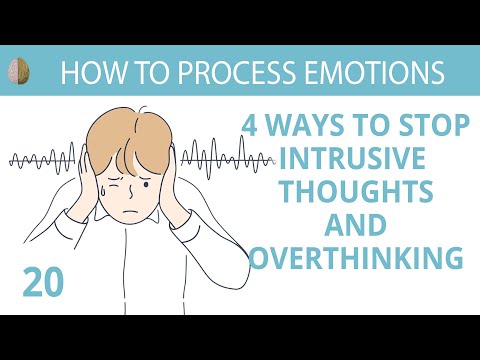
Hey, let’s talk about something we all deal with: those pesky disruptive thoughts. You know, the ones that pop up outta nowhere and mess with your day?
Like, you could be chilling on the couch, enjoying a show or whatever, and suddenly—bam! Your brain throws out random worries or memories that just don’t vibe with the moment. It’s super annoying.
You’re not alone in this, though. Seriously, everyone has their fair share of wild thoughts that can feel kinda overwhelming. So what do you do when your mind feels like a chaotic rollercoaster?
Well, let’s break it down together! There are ways to navigate through the noise and find some peace amidst the chaos. Sound good?
Understanding Intrusive Thoughts: Real-Life Examples and Insights
Understanding Intrusive Thoughts is like peeling back the layers on a really weird onion. These thoughts pop up uninvited, often making no sense at all, and can be super distressing. It’s like your brain just decides to throw a random and wild party that you definitely didn’t RSVP for. You might find yourself wondering, “Why am I thinking this?” You’re not alone; tons of people deal with this.
So, what are these pesky thoughts? Intrusive thoughts are those spontaneous mental images or ideas that can be quite disturbing. They can range from fears about hurting someone to strange worries about things going wrong. The thing is, they don’t reflect who you are or what you want to do; they’re just your brain misfiring sometimes.
- Common Experiences: Picture this: you’re in a crowded subway, and suddenly you think about jumping onto the tracks. It’s shocking, right? But for many, that thought doesn’t mean they want to do it; it’s a fleeting idea that causes panic.
- Everyday Examples: Maybe you’re washing dishes and suddenly worry that you’ll accidentally cut yourself badly. Even though your hands are fine, the thought feels real! And it lingers!
- The Emotional Toll: These thoughts can make you feel guilty or ashamed, even if they’re totally irrational. It’s frustrating when something so silly seems so powerful.
Now let’s face it: having intrusive thoughts isn’t just about your mental state—it can connect to things like anxiety or OCD (Obsessive-Compulsive Disorder). For some folks, these thoughts become compulsions because their brain keeps pushing them to reassure themselves everything will be okay.
I remember talking to a friend once who mentioned how she feared she’d forgotten to do something important—like leave the stove on when she’d actually turned it off ages ago! She couldn’t shake the worry even after checking multiple times. The irony? That constant checking only increased her anxiety and led to more intrusive thoughts!
Coping with Intrusive Thoughts isn’t always easy, but there are ways to manage them:
- Acknowledge Them: Weird as it sounds, recognizing these thoughts without judgment helps take away their power.
- Meditation & Mindfulness: This can help ground yourself; think of it as bringing your attention back into focus when those pesky ideas creep in.
- Talk About It: Don’t underestimate the power of sharing what you’re experiencing with someone who gets it—a close friend or therapist can really help!
You know how sometimes sharing a weird dream instantly makes it less scary? It’s kind of like that!
As hard as it is sometimes, remember: intrusive thoughts don’t define you. They’re just your brain acting up now and then. Recognizing them as separate from your true self is vital in finding peace amidst the chaos of those disruptive thoughts.
Effective Strategies to Eliminate Intrusive Thoughts for Good
Dealing with intrusive thoughts can feel like trying to shake off a clingy friend who just won’t take a hint. They pop up uninvited and often at the worst times, right? So, let’s dive into some effective strategies to help you manage and even eliminate those pesky thoughts for good.
Understanding Intrusive Thoughts is key. These are unwanted thoughts that can bring about feelings of anxiety or discomfort. Imagine you’re just chilling on the couch, and suddenly, your mind throws out something weird like, “What if I hurt someone?” It’s annoying! Understanding that these thoughts aren’t reflections of who you are can help take away some of their power.
Challenge Your Thoughts. It’s not just about ignoring them; it’s more about questioning them. When those thoughts creep in, ask yourself: “Is this thought based on reality?” or “What evidence do I have that this is true?” This kind of self-talk can weaken the grip these thoughts have on you. Think of it as a mental tug-of-war where you need to pull your focus back toward reality.
Meditation and Mindfulness can be really helpful too. Taking time each day to sit quietly and observe your breath allows you to create space between you and those disruptive thoughts. You might start realizing they’re just that—thoughts! When they arise during your day, try to acknowledge them without judgment and let them pass like clouds in the sky.
Another strategy is grounding techniques. These can bring you back to the present moment when things get overwhelming. You could try techniques like naming five things you see around you or feeling the texture of an object in your hand. The goal here is shifting your focus from those intrusive thoughts back to what’s happening right now.
Journaling could be a game-changer too. Writing down your intrusive thoughts helps unload what’s spinning around in your head onto paper. Plus, it gives you insight into patterns, triggers, or themes over time. You might notice there are specific situations that ramp up those pesky thoughts.
And hey, if things get really tough, seeking professional help isn’t a sign of weakness; it’s actually super strong! Therapists often use Cognitive Behavioral Therapy (CBT), which focuses on changing negative thought patterns into more positive ones. It could provide tools specifically tailored for managing intrusive thoughts.
Also, remember self-care matters. Make sure you’re getting enough sleep, eating well, and moving around a bit each day—even if it’s just taking a walk or stretching at home. When we neglect our basic needs, our minds can become more cluttered with anxiety and unwanted thoughts.
So yeah, tackling intrusive thoughts takes time and practice—you might not get rid of them completely overnight! But using these strategies regularly can empower you to handle them better when they show up again. Even when they feel overwhelming at times—just know you’re not alone in dealing with this stuff!
Understanding Intrusive Thoughts: Managing Anxiety Effectively
So, let’s chat about intrusive thoughts and how they can mess with your peace of mind. Seriously, they can be real party poopers. You’re just going about your day, and suddenly, BAM, this random thought crashes into your brain like an uninvited guest.
What are Intrusive Thoughts?
Intrusive thoughts are those pesky ideas or images that pop into your head without warning. They can be anything from worrying about something completely irrational to recalling past mistakes or fears. Like that moment you accidentally said something embarrassing at a party; it keeps coming back, no matter how hard you try to shove it away.
Why Do They Happen?
Well, they often show up when you’re feeling anxious or stressed. Your mind’s trying to work through all that tension but ends up overthinking everything instead. It’s almost like your brain is saying, “Hey! Let’s focus on the worst-case scenario.” So frustrating, right?
Common Types of Intrusive Thoughts:
- Violent Thoughts: These might involve fears of harming yourself or others, and they can really freak you out.
- Doubtful Thoughts: Questions like «Did I lock the door?» keep circling around your mind.
- Sexual Thoughts: Random sexual images that seem out of place or inappropriate can pop up too.
- Moral/Religious Scruples: These thoughts may involve worries about being a bad person or going against your values.
You know what really gets me? When people think they’re alone in this struggle. I remember a buddy who’d text me late at night confessing his mind wouldn’t shut up about things he did years ago—little mistakes that he’d made but still obsessed over like they happened yesterday.
Managing Anxiety from Intrusive Thoughts
Dealing with these thoughts doesn’t have to feel impossible. Here are a few ways to help manage them:
- Acknowledge Them: Just say “Okay, there it is” when one pops up instead of fighting it. Resistance only makes them stronger!
- Create a Distraction Plan: Find activities that help redirect your focus—like sketching, reading—whatever floats your boat.
- Meditation & Mindfulness: These practices can train your brain to notice thoughts without getting wrapped up in them.
- Talk It Out: Sometimes sharing what’s on your mind with someone close can lighten the load.
You don’t have to tackle this alone either! Therapists use strategies like Cognitive Behavioral Therapy (CBT) to help reframe those nagging thoughts into less overwhelming perspectives.
In the end, intrusive thoughts are tricky but totally manageable. Just remember—they don’t define who you are or what you’re capable of doing!
You know, we’ve all been there. You’re just trying to get through your day, maybe sipping on some coffee, and suddenly—bam!—your brain decides to throw a curveball. Disruptive thoughts can be really annoying, right? They pop up outta nowhere, like an unwanted guest who won’t take the hint to leave.
Think about that time when you were totally focused on something, maybe working or having fun with friends. Then it hits you—a random worry about something that happened ages ago. Just like that, your mind’s taken a detour. It’s frustrating! I remember chatting with a friend who was super excited about starting a new job. But in the middle of our conversation, she suddenly froze and started spiraling into thoughts about past mistakes she made at work. It completely shifted her mood from hopeful to anxious in seconds.
So, like, what do we do with these pesky thoughts? First off, you’ve got to recognize them for what they are: just thoughts. They don’t define you or your reality; they’re more like background noise sometimes. Acknowledge them without judgment—like waving hello and then moving on.
Taking a moment to breathe can help too! Seriously, deep breaths are magical in calming that racing mind down. Picture this: you’re standing at the edge of a pool ready to dive in but hesitate because of all those swirling thoughts around you. Instead of jumping straight into the deep end of anxiety, take a step back and breathe before plunging into action.
Also, it’s totally okay to share these feelings with someone you trust—a friend or therapist can help untangle those thoughts together. Opening up can sometimes lift that heavy weight off your shoulders.
Finding distractions might also do the trick! Dive into hobbies or pick up something creative like drawing or writing—a canvas for those chaotic feelings to flow out makes all the difference.
Remember that it’s normal to have disruptive thoughts; everyone does at some point. The trick is not letting them steer your ship too far off course! It’s about learning how to navigate through the waves without capsizing.
So yeah, life can definitely throw you off balance with unwanted thoughts now and then—but you’re not alone in this battle against your mind’s shenanigans!