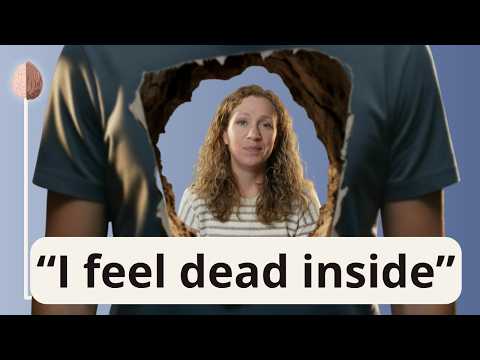
Hey, you ever feel like your brain just kinda… checks out when things get really overwhelming? Like, you’re there, but you’re not really there? That’s something called dissociation.
It’s this wild psychological trick our minds play to help us cope with stress. Seriously, it’s like a safety mechanism that kicks in when life gets too intense.
Sometimes, it can feel a bit freaky. But understanding it might help you make sense of those moments. You know?
So let’s chat about what dissociation is, why we do it, and how to deal with stress better when your mind decides to take a little vacation. Sound good?
Understanding Dissociation in Psychology: Meaning, Causes, and Effects
Dissociation can be a bit of a head-scratcher, right? You know, it’s that feeling where you kind of disconnect from your thoughts, feelings, or sense of identity. It’s like your brain’s way of hitting the pause button when things get too overwhelming. And honestly, a lot of people experience some form of it at some point in their lives.
So what causes this dissociation? Well, it often pops up as a way to cope with stress or trauma. When something feels incredibly intense—whether it’s emotional pain or a frightening situation—your mind might take a little vacation. This can happen to anyone; you might zone out during a boring meeting or daydream while driving home. But for some folks, especially those who have faced significant trauma, dissociation isn’t just a momentary escape; it becomes part of how they cope with daily life.
Now let’s break down the main types of dissociative experiences:
- Derealization: This is when the world around you feels unreal. Imagine walking through your favorite park but feeling like you’re in a movie set instead.
- Depersonalization: This one involves feeling detached from yourself. Like watching your life unfold from outside your body—just sort of “meh” about everything happening.
- Dissociative Amnesia: Here, you might completely forget certain events or information about yourself during stressful times. It’s not just forgetting where you left your keys; think bigger, like forgetting an entire chapter of your life.
So now let’s talk about the effects this can have on someone’s life. Imagine being stuck in constant “meh” mode and having trouble connecting with others because you’re always somewhere else mentally. It can lead to issues in relationships and at work since people may not understand what you’re going through.
When it comes to treatment options for those who find themselves struggling with dissociation regularly? Therapy is often key! Various approaches like cognitive-behavioral therapy (CBT) can help ground someone back in reality by teaching them how to cope with triggers and manage stress more effectively.
Medication might come into play too but usually as part of a broader treatment plan rather than as the sole solution.
Working through dissociative experiences is definitely not easy; it takes time and support from mental health professionals as well as understanding loved ones. But recognizing these feelings and knowing they’re valid is an important step toward healing.
So yeah, that’s dissociation in a nutshell! Just remember: if you or someone you know is struggling with these feelings regularly, reaching out for help is totally okay! You’re not alone in this journey.
Understanding the Impact of Childhood Trauma: How Dissociation Affects Adults
Childhood trauma can leave some deep, sometimes hidden scars. You know, when kids go through something really scary or painful, their minds can react in ways that protect them from those intense feelings. This can lead to a thing called dissociation. It’s like your mind just checks out for a bit to avoid dealing with all that heavy stuff.
So, what does dissociation look like in adults? Well, it’s not always easy to spot. Some people might feel disconnected from their thoughts or body, almost like they’re watching themselves from afar. It’s sort of like zoning out in class but way more intense and unsettling. Imagine being at a family gathering but feeling totally separate from everyone else there—it’s kind of lonely.
When someone has experienced trauma as a child, they might develop coping mechanisms that involve dissociation. Here’s how this plays out:
- Emotional Numbness: Adults who dissociate may struggle to connect with their emotions. They might feel like they’re just floating through life without really engaging.
- Memory Gaps: It’s common for folks to have holes in their memory concerning certain events or periods of their lives. Maybe they can’t remember parts of their childhood or an entire episode of abuse.
- Flashbacks: Sometimes, traumatic memories don’t stay buried. Adults might experience flashbacks, where the past feels super real again as if it’s happening right then and there.
- Anxiety and Depression: The emotional toll can lead to mental health issues later on—think anxiety and depression just sitting there waiting to jump out at you when you least expect it.
- Relationship Difficulties: Building trust can be tough! When you’ve dissociated due to trauma, it’s hard to let people in or maintain connections.
Let me share an example for clarity: imagine Sarah grew up in a chaotic home where arguments were the norm. To cope with the shouting and unpredictability, she would mentally escape during those fights—like watching a movie instead of living it. Years later, Sarah finds herself at work during a meeting. Suddenly, she zones out completely; her coworkers are talking about deadlines, but she feels like she is miles away. She doesn’t even realize time has passed until someone nudges her back into reality.
And you know what? This isn’t uncommon among adults who experienced trauma as kids. They often have learned survival skills that protect them but also create barriers when trying to connect with others or manage stress effectively.
If this sounds familiar—either for yourself or someone close—you know it could be time to explore some help options available out there! Therapy is one avenue many find helpful because it offers a safe space to unpack these experiences and learn healthier ways to cope.
To wrap it up: childhood trauma shapes adults in profound ways—not just mentally but emotionally too! Dissociation serves as a survival mechanism during those tough times but can manifest into significant challenges later on if left unaddressed. Facing these challenges head-on? Now that’s where healing starts!
Understanding Dissociation: Real-Life Examples and Insights into Mental Health
Dissociation is one of those things that sounds a bit scary, right? But honestly, it’s often a misunderstood reaction to stress or trauma. Basically, dissociation helps your brain cope when things get overwhelming. It’s like your mind checks out for a bit so you can avoid feeling the full weight of what’s happening.
When we talk about dissociation, people usually imagine someone spacing out or losing track of time. And while that’s true, it can be much more complex. There are different levels and types of dissociation, ranging from mild, everyday experiences to severe conditions.
- Mild Dissociation: This might happen when you daydream during a boring meeting or zone out while driving on autopilot.
- Depersonalization: You may feel detached from your own thoughts or body. It’s like watching yourself in a movie and not really being part of it.
- Derealization: This is when the world around you feels surreal or foggy. Everything seems distant, almost like you’re looking through a thick glass.
- Dissociative Disorders: These are more serious and involve significant memory loss regarding personal information or even identities. For example, Dissociative Identity Disorder (formerly known as Multiple Personality Disorder) can mean having two or more distinct identities that control behavior at different times.
Imagine Sarah, who went through an intense car accident. For weeks afterward, she felt completely detached from her surroundings. Everyday activities seemed strange and unreal—like she was living in someone else’s life. This feeling isn’t just weird; it’s actually her brain’s way of trying to protect her from the trauma.
Now look, not everyone who experiences stress will dissociate; it varies by person. However, if you’ve faced traumatic events—like abuse or loss—you might find yourself slipping into these states more often.
So why does this happen? Well, our brains are wired to protect us. When life throws something heavy our way, dissociation acts as a coping mechanism to help us process emotions without getting flooded by them all at once.
If you’ve ever felt overwhelmed but didn’t know how to face those feelings directly—dissociation probably sneaked in there for some relief! Triggering factors depend on the individual: stress at work or family issues could tip someone over into this protective state.
Recovery from frequent dissociative episodes usually involves therapy focused on rebuilding your sense of self and working through emotional pain in safer ways. Strategies might include grounding techniques which help pull you back into the present moment—you know? It could be something simple like touching something textured or counting objects around you.
You’re not alone if this resonates with your experience and it’s totally okay to seek help if these feelings become too much to handle alone. Remembering that you’re human and capable of feeling deeply can really help in reconnecting with yourself again.
In short: Dissociation is real; it’s more common than many think! It can serve as a shield during tough times but knowing how to deal with it properly makes all the difference in reclaiming control over your mental health journey.
You know, dealing with stress can feel overwhelming sometimes. It’s like you’re juggling a million things at once, and then BAM! Your mind just sort of checks out, right? That’s dissociation for you. It’s this psychological escape hatch we all have when things get too intense.
Think about that time you were in a really stressful situation—maybe an exam or a serious conversation. Ever felt like you were floating above the scene, almost as if it wasn’t really happening? It’s strange. You’re there physically, but emotionally, you’re miles away. Like, your brain is just saying “nope” to the whole thing.
Dissociation can serve as a shield against stressors that feel too heavy to handle. It’s kind of like when you’re in a scary movie and you grab the popcorn to distract yourself from what’s happening on screen. Instead of facing feelings of anxiety or panic head-on, your mind takes a little detour. But there’s a flip side too; while it can be helpful in short bursts, relying on it too much might leave you feeling disconnected from reality or even yourself.
I’ve had my moments with this. I remember during finals week in college—everything felt so stressful that I found myself zoning out during class discussions. It was like I was physically present but mentally on another planet! To be honest, after that chaotic period ended, I realized how much I had missed out on being truly present and engaging with my friends and studies.
So how do we cope with stress without resorting to that sense of disconnection? Well, grounding techniques can help pull you back into the moment—things like focusing on your breathing or engaging with your surroundings through your senses. You know? Tuning back into reality instead of drifting away.
While dissociation isn’t always bad—it’s just our mind responding to stress—it’s good to find healthier ways to cope so we don’t lose track of what matters in our lives. You want to deal with problems rather than just float through them, right?