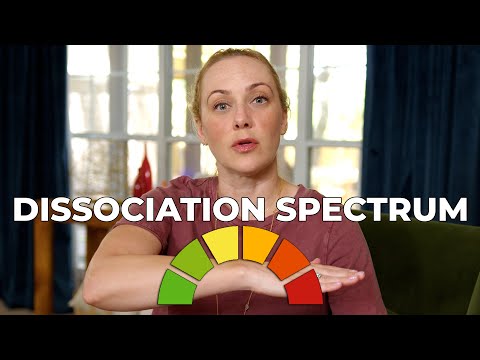
You know how sometimes your mind feels like it’s just, like, floating away? Yeah, that’s dissociation in a nutshell. It’s not always easy to talk about. But hey, it happens to so many of us.
Maybe you’ve felt that weird disconnect when things get overwhelming. Or perhaps you’ve had those moments where you’re just… not really present? It can be unsettling.
Dissociation isn’t just a fancy term for zoning out. There’s a lot more to it. Let’s take a closer look at what it means and why it matters. You might be surprised by what we discover together!
Understanding Dissociation in Psychology: Definition, Causes, and Effects
Dissociation is one of those terms that gets tossed around a lot, but it really means more than just zoning out during a boring meeting. In psychology, dissociation refers to a disconnection between a person’s thoughts, memory, and sense of self. You know when you’re daydreaming and you’re not really aware of what’s happening around you? That’s kind of like dissociation but on a deeper level.
So, what causes this to happen? Well, there are quite a few factors at play.
- Trauma: One of the biggest triggers for dissociation is trauma. Think about someone who has gone through an intense experience—like an accident or abuse. The brain sometimes uses dissociation as a way to protect itself from overwhelming feelings.
- Anxiety and Stress: High levels of stress or anxiety can pull you out of your reality, almost like pressing the pause button on life.
- Substance Use: Some substances can also make you feel disconnected from your surroundings or even from yourself.
The effects of dissociation can vary wildly depending on the person and the intensity of their experience. For some folks, it might be brief moments where they just feel foggy or unable to focus. Others might find themselves having gaps in memory—like where they can’t recall parts of their day or certain conversations.
Imagine sitting in your favorite café, sipping coffee with a friend—but suddenly you can’t remember how you got there or what you’ve been talking about for the last half-hour. You were physically present but emotionally checked out. It can be jarring and confusing.
Another thing to consider is that dissociation isn’t always a bad thing. Sometimes it can help people cope with stress in the short term. But if it becomes frequent or severe, it might be a sign that something deeper needs attention.
In some extreme cases, people can develop disorders like Dissociative Identity Disorder (formerly known as Multiple Personality Disorder), where they have two or more distinct identities that may take control at different times. This often ties back to unresolved childhood trauma and is considered one of the more severe forms of dissociation.
To wrap up this little chat—understanding dissociation boils down to recognizing how our mind tries to protect us from overwhelming feelings or memories. If you notice yourself feeling disconnected or if those moments happen more frequently than you’d like, reaching out for support isn’t a bad idea at all!
Understanding Dissociation: Key Insights from Freud’s Theories
Dissociation can be a pretty strange experience for many people. Ever found yourself zoning out during a boring meeting or daydreaming when you should be focused? That’s kind of what dissociation is, but it runs deeper than just a little distraction. Basically, it’s when your mind detaches from your thoughts, feelings, or sense of identity. It’s like your brain hitting the pause button on reality for various reasons.
Freud had some interesting things to say about this phenomenon. He was all about understanding the unconscious mind and how it influences our behavior. To him, dissociation was closely linked to trauma and repression. If something’s too painful to deal with, our minds might just lock it away in a little mental box—out of sight, out of mind, right?
Key insights from Freud’s theories include:
- Repression: This is the process where distressing thoughts or memories are kept out of our conscious awareness. Picture a scene from a scary movie that you try to forget—that’s repression in action.
- Defense Mechanisms: Dissociation is one way our minds protect us from emotional pain. It’s like having an inner shield when life gets too tough.
- The Unconscious Mind: Freud believed that unresolved conflicts and traumatic experiences reside in the unconscious. When these issues surface, they can cause disconnection between our present self and past emotions.
Let me share an example here—think about someone who experienced a car accident as a child. Later on in life, they might find themselves feeling anxious whenever they drive or even sit in a car. They may not consciously remember the crash but their mind has tucked away those feelings of fear somehow.
Freud also talked about how people might use dissociation as a way to escape reality during intense situations. Like during severe emotional trauma or stress, some folks might feel disconnected from their own bodies or feel unreal—almost like they’re living in a movie.
It’s worth mentioning that while Freud opened up discussions on dissociation, modern psychology has expanded on his work quite a bit. Nowadays, we see dissociation represented in disorders like PTSD or Dissociative Identity Disorder (DID), where people have extreme reactions to trauma that impact their everyday lives more significantly.
Understanding dissociation helps us recognize why some folks seem detached or “out of it” during stressful moments. So next time someone seems lost in thought or emotionally distant, remember—it may be their mind’s way of coping with something difficult rather than them simply checking out mentally. It’s really fascinating how complex our minds can be!
Understanding Dissociation: Mental Health Issues That Contribute to This Complex Condition
Dissociation can feel like stepping outside yourself, like watching a movie instead of living your life. It’s one of those things that sounds kind of strange, but it’s more common than you might think. Basically, it’s when your mind disconnects from your thoughts, feelings, or sense of identity. It’s like when you daydream and suddenly realize you’ve been zoning out for a while—only way more intense and often tied to some heavy stuff.
There are several mental health issues that can contribute to dissociation. For instance, **trauma** plays a big role. Think about how someone who’s been through something really scary might mentally escape by “checking out.” This is especially true for folks with PTSD, where the mind tries to protect itself from the painful memories.
Another factor is **anxiety**, which can ramp up feelings of dissociation. When you’re overwhelmed with anxiety—the kind that makes you feel like you’re losing control—you might begin to dissociate as a coping mechanism. It’s almost like saying, “I can’t handle this right now,” so your brain hits pause.
Depressive disorders are also linked to dissociation. It’s often tough to connect with emotions when you’re deep in depression. You may feel numb or detached from your surroundings because everything just feels too heavy or hard to process.
Let’s not forget about personality disorders—especially **Borderline Personality Disorder (BPD)**. People with BPD often experience strong emotional shifts and can struggle with identity issues; this can lead to frequent bouts of dissociation as their minds scramble to cope with overwhelming emotions or fears of abandonment.
Substance use can add even more complications to the mix. Some folks use drugs or alcohol to escape their reality, which may result in dissociative symptoms when they’re sober or during withdrawal phases.
So what does this look like on the ground? Picture someone who has always had trouble remembering parts of their past due to trauma. They might have gaps in memory called “dissociative amnesia.” Or think about a friend who seems really spaced out during stressful moments—like they’re here but not really *here*. This could be their way of dealing with overwhelming situations.
In therapy settings, individuals experiencing dissociation often find themselves exploring their traumatic experiences or deeply rooted emotions without being fully present. This can create challenges but also opens doors for healing if navigated carefully by a professional who understands these complexities.
Ultimately, recognizing the signs and understanding where they come from is crucial. Dissociation isn’t just about zoning out—it’s about how our minds adapt in challenging situations and how we can work towards reconnecting ourselves again over time.
Dissociation, huh? It’s one of those terms that sounds a bit clinical, but honestly, it’s got some pretty real implications for people dealing with mental health issues. So, what is it really? Well, imagine you’re kind of zoning out during a conversation or daydreaming while staring out the window. That spacey feeling can sometimes be a part of dissociation.
I’ve had moments like that, you know? I remember once I was in class, and instead of soaking in the lecture about psychology—yeah, ironic—I found myself just staring off into the distance. My mind wandered to this place where nothing mattered for a while. But for some folks, dissociation goes way deeper and isn’t just a random moment; it’s more like an emotional shield.
In simple terms, dissociation is when your mind separates itself from your thoughts or feelings. It can range from mild forgetfulness to more intense experiences like feeling detached from your body or surroundings. It usually pops up as a coping mechanism—a way of handling trauma or stress without fully facing it right away.
Sometimes people might not even realize they’re doing it until someone points it out. For example, I had a friend who went through something really tough—like losing a loved one—and he started to notice that he’d often blank out during conversations about his feelings. It was like he was there but not really present; everything felt foggy for him. That’s scary stuff when you think about it!
There are different types too—like depersonalization (feeling disconnected from yourself) and derealization (feeling detached from reality). Some folks experience both together. It can be super disorienting; I mean, imagine looking in the mirror and feeling like you’re staring at a stranger! That’s just wild!
So why does this matter? Well, recognizing dissociation is essential for understanding how someone is coping with trauma or stressors in their life. Therapy can help people process their feelings and experiences so they don’t feel the need to shut down anymore. Plus, knowing that this reaction is valid can be comforting—it’s not “weird” or “crazy.” It’s just how some people deal with overwhelming emotions.
If you find yourself zoning out often or feeling disconnected from your emotions—no shame here—it might be worth talking to someone about it! Everyone’s got their own ways of coping with life’s challenges; letting your mind wander sometimes is totally normal… but if it’s persistent or feels alarming? Definitely reach out to someone who gets it. You’re not alone in this crazy ride!