Hey, you know how sometimes life feels like a movie, and you’re just watching it from the sidelines? That’s kinda what dissociation is all about. It’s like your brain hits the pause button when things get too overwhelming.
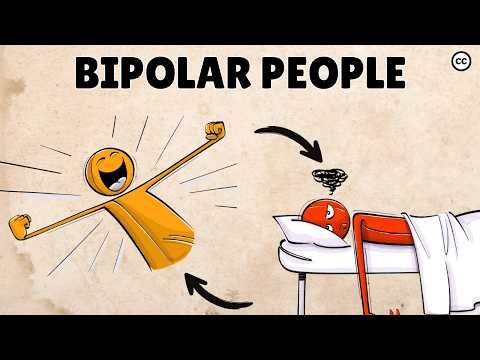
Now, throw bipolar disorder into the mix, and things can get pretty wild. You’ve got those big mood swings—like, one minute you’re on top of the world, and the next you feel like you’re in a deep hole.
For some folks with bipolar disorder, dissociation pops up during those intense shifts. It’s as if their mind says, “Whoooa there! I need a break!” But that can leave them feeling disconnected from themselves or reality.
It’s super tricky to navigate all this. You might feel lost or confused, but you’re not alone in this ride. Let’s chat about what dissociation looks like for people with bipolar disorder and why understanding it is so important.
Understanding Bipolar Dissociation Symptoms: Key Signs and Coping Strategies
Bipolar disorder is known for its mood swings, but sometimes, it brings along a buddy called dissociation. You might be asking, what’s that all about? Well, let’s get into it.
Dissociation can feel like being a spectator in your own life. You might find yourself zoning out during conversations or feeling disconnected from your surroundings. Imagine you’re at a party, but instead of having fun, you feel like you’re watching everything through a foggy glass. You see people laughing and dancing, but it feels distant and unreal. That’s dissociation.
When someone with bipolar disorder experiences dissociation, it’s often linked with extreme mood states—like during manic or depressive episodes. It’s not just about feeling sad or overly happy; it’s that fog I mentioned earlier that creeps in when emotions are running high.
Here are some key signs to look out for if you think dissociation might be an issue:
- Feeling detached: You may feel like you’re outside your body or not fully present.
- Memory gaps: Forgetting important personal information can happen, almost as if those memories are locked away.
- Difficulty focusing: Your thoughts may seem jumbled or cloudy; concentrating can be a real struggle.
- Visual or auditory disturbances: Sometimes people report seeing things differently—colors might seem duller or sounds more muted.
Dealing with these symptoms can be tough. But there are ways to cope!
One strategy is grounding techniques. These help bring you back to the present moment. For example, try the 5-4-3-2-1 technique: identify five things you can see around you, four things you can touch, three things you hear, two things you can smell, and one thing you can taste. It sounds simple but can really help anchor you back down.
Another approach is keeping a journal. Writing about your feelings and experiences provides clarity and can help manage those swirling thoughts built up inside of you.
It’s also super important to talk to someone—a therapist or trusted friend who gets it could make all the difference. They could help create a safety plan for when those feelings hit hard.
So basically, while dissociation isn’t the most fun experience when living with bipolar disorder—it doesn’t have to take over your life completely. With some strategies in place and support from others, navigating through those foggy moments becomes way easier!
Understanding Dissociation in Bipolar II Disorder: Symptoms, Causes, and Management
Dissociation can be a tricky thing to wrap your head around, especially when it shows up in Bipolar II Disorder. Basically, it’s like your brain’s way of hitting the pause button on reality. Imagine you’re watching a movie, and suddenly the screen goes black; that’s kind of how dissociation feels. You might feel detached from yourself or the world around you, almost as if you’re looking through a foggy window.
Now, let’s break this down a bit more. In Bipolar II Disorder, individuals experience mood swings that include episodes of depression and hypomania (which is like a milder version of mania). During these mood shifts, especially when someone is feeling really low or super hyped up, dissociation can pop up as a coping mechanism.
Here are some key symptoms of dissociation:
- Feeling disconnected: You might feel like you’re not really there—like you’re in your own little bubble.
- Memory gaps: Some people forget things that happened during an episode or feel haze-y about their experiences.
- Emotional numbness: It can be hard to connect emotionally with others or even with yourself.
- A sense of unreality: Things around you might seem strange or dreamlike—almost like you’re living in a movie.
So what causes this phenomenon? Well, it often stems from overwhelming stress or trauma. For someone with Bipolar II Disorder, intense mood swings can lead to feelings that are just too much to handle at times. Your brain might decide to step back and take cover.
And then there’s the management part. Dealing with dissociation isn’t one-size-fits-all; it often requires a combination of approaches:
- Therapy: Talking things out with a therapist helps tremendously. They can teach you grounding techniques to stay connected during those foggy moments.
- Medication: Sometimes mood stabilizers or antidepressants can help regulate moods so that those extreme swings—and the dissociation—are less intense.
- Support systems: Connecting with friends and family who understand what you’re going through can make all the difference. They can help keep you anchored in reality when things get tough.
I remember talking to a friend who struggled with this whole process. He described moments when he felt like he was watching his life unfold but wasn’t really part of it—it was scary! But over time, therapy helped him regain control and learn how to manage those feelings better.
So yeah, understanding dissociation within Bipolar II Disorder is crucial because it helps you recognize what’s happening during those confusing moments. It’s all about finding what strategies work best for you so you can feel more grounded and connected to reality again.
Understanding Bipolar Dissociation: Insights and Support from Reddit Communities
Understanding Bipolar Dissociation can be a bit tricky, especially when we think about how it all connects with bipolar disorder. So, what’s going on here? Well, let’s break it down.
Dissociation in the context of bipolar disorder often happens during mood episodes. Dissociation itself is when you feel disconnected from yourself or your surroundings. It’s like your mind kind of checks out for a second. Some people might describe it as feeling foggy or like they’re watching themselves from outside their body.
Now, if you’re someone with bipolar disorder, you might experience dissociative symptoms more intensely during either manic or depressive episodes. Imagine feeling super high one minute and super low the next—sometimes your brain can sort of just hit pause and you lose track of reality for a bit.
Reddit communities can be real goldmines for understanding this stuff better. People share their experiences and offer each other support, which makes a huge difference when you’re navigating through these feelings alone. For example:
- People often talk about feeling detached after intense emotional highs or lows.
- Many describe moments where they forget chunks of time or feel unreal, almost like they’re in a dream.
- Some members share grounding techniques that help them stay present—simple stuff like focusing on your breath or touching something textured.
It’s also helpful to remember that not everyone with bipolar disorder experiences dissociation in the same way. Some folks might have mild symptoms while others could feel completely unmoored. You know? It varies widely.
Support from those communities is vital because it tells you that you’re not alone in what you’re feeling. You get to hear stories from others who understand firsthand how disorienting these feelings can be—and that’s powerful.
It’s important to approach this with kindness towards yourself too. So many people struggling with mental health issues tend to beat themselves up for things outside their control, but that’s not fair! Remember: dissociation isn’t about being dramatic; it’s a coping mechanism. Your mind is just trying to protect itself in overwhelming situations.
If you’re seeking help or want more insight into these experiences, chatting with a therapist familiar with bipolar disorder can really help clear things up—or at least give you tools to manage this part of life better.
So yeah, understanding Bipolar Dissociation isn’t simple, but being aware of it—and finding support through places like Reddit—can definitely lighten the load a little bit and remind you that there are people out there who get it!
Dissociation can be one of those tricky concepts to wrap your mind around, especially when we’re talking about bipolar disorder. Imagine you’re in the middle of a really intense emotional experience—like, one minute you’re on top of the world, and the next, you’re feeling so low you can barely get out of bed. It’s like a rollercoaster ride that doesn’t really stop. But in some cases, along with those mood swings, people might find themselves feeling disconnected from their own thoughts or emotions. It’s strange and hard to describe.
So, let’s say you’re having one of those manic episodes—maybe you’re super high-energy and just buzzing with ideas. In this state, it’s easy to feel invincible. Then suddenly that flips into a deep depression. You notice that during these extreme ups and downs, sometimes it feels like you’re watching your life from the outside instead of actively living in it. You know what I mean? It’s almost like being in a movie where you can’t quite touch anything, like you’re just floating through your own reality.
This disconnection—known as dissociation—isn’t uncommon for folks dealing with bipolar disorder. Studies suggest that when someone experiences intense emotions or stressors linked to mood episodes, they may resort to dissociation as a coping mechanism. It’s as if your brain hits a pause button to protect itself from the overwhelming feelings crashing over it like waves at the beach.
I remember chatting with a friend who had bipolar disorder about her experiences during her mood shifts. She described moments where she felt completely numb or detached from everything around her—like she was watching herself make decisions but didn’t quite feel them inside her chest. It sounded both bewildering and isolating; like being trapped in a glass box while life went on outside without her.
Dissociation can manifest in different ways too: some might forget chunks of time or feel out-of-body sensations, while others experience emotional numbing or just plain confusion about what’s real and what’s not. This doesn’t just complicate life but also adds another layer to managing bipolar disorder since it can be tough for individuals—and their loved ones—to understand what’s happening in those moments.
Therapy can really help unpack all this because it offers tools to ground yourself again when dissociation happens. Plus, learning coping strategies can lessen how often these feelings pop up during an episode.
It isn’t always easy navigating through all of this—you might feel lost at times—but that’s okay; it makes sense given how complicated emotions are! Just remember that seeking support is always worthwhile because understanding these experiences is key to taking back control over your mind and heart.