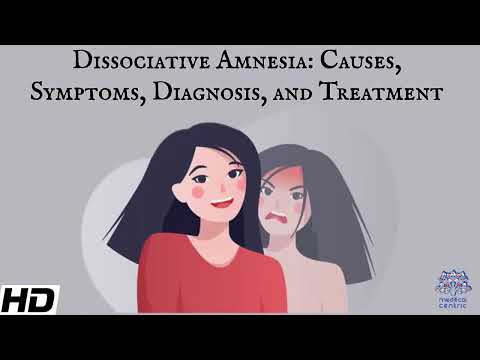
You know that feeling when you can’t remember where you put your keys or what you said in a meeting? Annoying, right? But what if it was way more intense?
Dissociative amnesia is like that but on a whole different level. Imagine waking up one day and not being able to recall who you are, or the experience of a traumatic event just slips away.
It’s a super complex thing, and honestly, it can have some pretty wild effects on your mental health. Let’s dig into it together!
Understanding Dissociative Amnesia: Its Impact on Mental Health and Daily Life
Dissociative amnesia is a pretty intense experience. Basically, it’s when you can’t remember important information about yourself or your past, usually because of trauma or stress. Imagine going through something super stressful, like a car accident or losing someone close to you. Your brain might go into protective mode, deciding to forget those painful memories. It’s like hitting the “mute” button on your memory.
People with dissociative amnesia usually have gaps in their memory that can last from a few hours to years. This isn’t just forgetting where you put your keys. It’s like forgetting who you are, where you’ve been, and what has shaped you as a person. That’s kind of scary when you think about it.
Impact on Daily Life
Living with dissociative amnesia can totally mess with your day-to-day life. You might find it hard to maintain relationships or hold down a job because basic info about yourself or your experiences just isn’t there anymore. Think about it: if you can’t remember what you studied for an exam, how can you show up confidently?
Here are some effects that people often experience:
- Difficulty with Identity: You might struggle with knowing who you are or what matters to you.
- Strained Relationships: Friends and family may feel confused or hurt if you’re suddenly distant.
- Coping Challenges: Everyday stressors can become even harder to manage without a strong sense of self.
- Avoidance Behaviors: Some folks avoid situations that remind them of their trauma, which can lead to isolation.
Mental Health Connection
On the mental health side, dissociative amnesia often shows up alongside other conditions like anxiety and depression. When your mind is trying so hard to protect itself from pain, it’s easy for other feelings to creep in—like sadness when those memories come back in bits and pieces.
Let me share a story here; I read about this woman named Sarah. She had gone through an incredibly traumatic event—a terrible accident that left her feeling lost and vulnerable. For months after that incident, she couldn’t remember parts of her life before the accident: birthdays gone in a flash and even faces of friends faded into nothingness. She felt she was living someone else’s life, which is honestly heartbreaking.
But here’s the thing: recovery is possible! Therapy plays a huge role in helping individuals deal with these memory issues constructively and find ways to reconnect with themselves.
Therapeutic Approaches
If you’re wondering how therapy fits into all this, there are several ways professionals help people work through dissociative amnesia:
- Cognitive Behavioral Therapy (CBT): This helps reframe negative thoughts related to the trauma.
- Eye Movement Desensitization and Reprocessing (EMDR): A technique that allows folks to process traumatic memories while focusing on something else.
- Talk Therapy: Sometimes just sharing your story helps rebuild those lost connections.
In summary, dissociative amnesia isn’t just “forgetting.” It’s a complex response that affects how we see ourselves and interact with the world around us. If this resonates with you or someone close to you, reaching out for support could make all the difference in navigating these challenges together. Life’s too short not to understand ourselves fully!
Discovering the Best Types of Therapy for Dissociative Amnesia: A Comprehensive Guide
Dissociative amnesia can be a heavy topic. You might be wondering, what the heck is it, right? Basically, it’s a mental health condition where you lose memories about yourself or specific events. It’s not just forgetting where you left your keys; we’re talking about significant gaps in your memory that often stem from trauma.
When it comes to therapy for dissociative amnesia, you’ve got several solid options to explore. There’s no one-size-fits-all approach here, but some types of therapy seem to resonate well with folks dealing with this issue.
Cognitive Behavioral Therapy (CBT) is one of those popular methods. In CBT, the therapist helps you identify and change negative thought patterns. Like, if you’re stuck thinking that something bad will always happen because of your past memories, CBT can help shift that mindset. It’s all about breaking those cycles.
Eye Movement Desensitization and Reprocessing (EMDR) is another effective technique. It focuses on processing distressing memories through guided eye movements. You might find that as you recall a traumatic event while following these movements, it becomes less overwhelming over time. This can aid in reprocessing those lost memories.
And then there’s talk therapy, which feels super relatable for many people. This approach allows you to share your feelings in a safe space without judgment. Your therapist listens and provides support as you navigate through tough emotions linked to your amnesia.
Now let’s not forget trauma-focused therapy. This method specifically addresses traumatic experiences that could be causing or contributing to your memory loss. By working through those painful experiences in a structured way, healing can actually take place.
You might also come across psychoeducation, which isn’t exactly therapy but super helpful nonetheless! It involves learning about dissociative disorders and understanding how they impact mental health. Knowledge empowers you to better manage symptoms and recognize why certain things trigger dissociative episodes.
Another key point: medications can sometimes complement these therapies—although they’re not specifically aimed at treating dissociative amnesia itself. Medications may help manage symptoms like anxiety or depression if they come into play alongside memory issues.
It’s important to realize that everyone is different; what works wonders for one person might not jive with someone else. Finding the right therapist who understands disassociative amnesia could make all the difference in the world! Take your time with this process; it’s totally okay to try out various types of therapy until something clicks for you.
In short, exploring various therapies—like CBT, EMDR, talk therapy, trauma-focused methods—will get you closer to discovering what resonates with your situation best. Don’t hesitate to reach out for help when navigating through this complex terrain of mental health!
Understanding Dissociative Amnesia: Its Impact on Personality Changes and Mental Health
Dissociative amnesia can really mess with your head, and it’s not just about forgetting stuff. It’s like your brain hits the pause button on certain memories or, in some cases, entire parts of your life. So, let’s break it down a bit because this can be a pretty heavy topic.
First off, dissociative amnesia often stems from trauma. Let’s say you experienced something really scary or overwhelming – like an accident or loss. Your mind might decide to lock those memories away to protect you from the emotional pain. You know how sometimes you just want to forget a bad day? Well, this goes way beyond that.
When someone experiences dissociative amnesia, they might find that they blank out on specific details or events. Sometimes people forget just the traumatic event itself, while other times it could be larger chunks of their past. That’s why it can feel so disorienting; one minute you’re living your life, and then—bam!—you can’t remember critical parts of who you are.
Now, how does all this fit with personality changes and mental health? Well, when you’re missing pieces of your history, it can seriously affect how you see yourself and interact with others. For instance:
- Identity Confusion: Imagine not remembering significant things about yourself or even what you like to do. That can lead to confusion about your identity.
- Emotion Regulation: If certain painful memories are locked away, you might struggle to manage emotions related to those experiences. It’s like trying to drive a car without knowing where the gas pedal is.
- Relationships: If you’ve lost track of some personal history, connecting with others can feel weird and difficult.
You might start noticing that you’re acting differently too – maybe withdrawing from friends or feeling detached during conversations. It’s like looking at life through a foggy window instead of being fully present.
There was this one person I knew who had experienced something traumatic in childhood but couldn’t remember any of it until their late twenties. Suddenly, childhood memories surfaced that changed how they approached relationships entirely! They found themselves getting more anxious around friends since they weren’t sure what part of their past shaped who they are now.
So yeah, understanding dissociative amnesia means recognizing that it’s more than just memory loss—it’s intertwined with our very identity and emotional wellbeing. If left unaddressed, these effects can ripple out into various aspects of life: personal relationships suffer; job performance dips; overall mental health plummets into anxiety or depression territory.
If anyone finds themselves dealing with this kind of issue—or knows someone who is—it’s often super helpful to have therapy as part of the healing process. Therapists trained in trauma-focused approaches can help piece back together those fragmented memories while helping individuals reclaim their sense of self.
In short? Dissociative amnesia impacts way more than what meets the eye; it touches on our essence as humans navigating complex emotional terrains—always best tackled with support from professionals along the way!
Dissociative amnesia, huh? It’s one of those topics that can feel a bit heavy but is also kind of mind-bending. You know how sometimes you just blank out about certain things? Like, you can’t remember where you put your keys or what happened last weekend? Now, imagine if those blanks were about really significant events—like traumatic experiences or major life changes. That’s what dissociative amnesia is all about. Your brain kinda acts like a safety valve, shutting down access to memories that are just too painful or overwhelming to deal with.
I remember a friend of mine who went through something rough—she had this intense panic after a traumatic event. There were parts of her life she couldn’t recall, and it felt like these huge gaps in her memory just placed a wall between her past and present. At first, she thought she was losing her mind, which is totally understandable! It’s so confusing to wake up one day and realize chunks of your own life are missing.
The effects on mental health can be pretty profound. It’s not just forgetting stuff; it creates this feeling of disconnection from yourself and others. You become a spectator in your own life. Imagine being at a family gathering but feeling like you’re watching it all from the outside instead of actually experiencing it. You might even struggle to connect with loved ones because there are huge blank spaces that create distance, both emotionally and psychologically.
That disconnection can lead to anxiety or depression—it’s like this cycle where the more you feel detached from your memories and experiences, the more anxious or sad you get about it. And on top of that, there’s often shame involved too; people might think they’re being dramatic or attention-seeking when they talk about their memory gaps.
Therapy can really help here—finding someone who understands what’s going on in your head is huge! It’s all about processing those memories when you’re ready so they don’t continue to haunt you without context. But man, breaking down those barriers takes time and trust.
So yeah, dissociative amnesia is complex and often misunderstood; but recognizing its effects opens the door to healing for folks navigating its tough waters. Remembering is not always easy, but reconnecting with those parts of yourself may lead to deeper self-understanding and resilience over time—like piecing together bits of a puzzle you’ve been missing for far too long!